
Discover Hyères | A Visitor's Introduction to Hyères
Recommended places to visit, places to stay and things to do in and around Hyères
Hyères is a sun-soaked town on the Mediterranean coast of southeastern France, located in the Var department of the Provence-Alpes-Côte d’Azur region. Often dubbed the “oldest resort on the French Riviera”, Hyères is an enchanting blend of medieval heritage, tropical gardens, palm-lined boulevards, and island-hopping adventures. With its unique position between the sea and the hills, Hyères offers a more laid-back and authentic experience than its glitzier neighbours—ideal for those seeking nature, history, and the real spirit of Provence.
Recommended Hyères Accommodation: Hotels 4&5 Star Luxury Hotels Budget Hotels Bed & Breakfasts
Why is Hyères Worth a Visit?
Hyères is worth visiting for its diverse landscapes, rich history, and proximity to the Îles d’Or (Golden Islands)—Porquerolles, Port-Cros, and Île du Levant. This underrated gem offers everything: a medieval hilltop old town, Belle Époque architecture, long beaches, nature reserves, and vibrant markets. It's also a gateway to some of the most unspoilt coastal spots in southern France.
With its mild climate year-round, Hyères is a perfect destination for both summer beachgoers and off-season explorers. Whether you’re cycling through pine forests on Porquerolles, wandering through the ancient streets of the old town, or relaxing in a tropical garden overlooking the sea, Hyères offers something rare—Riviera beauty without Riviera crowds.
Hyères Highlights: Things to See and Do in Hyères
The Old Town (Vieille Ville)
Hyères' old town is a picturesque labyrinth of cobbled alleys, stone staircases, and pastel-coloured buildings, set on the slopes of the Castel Sainte-Claire hill. With its medieval layout and peaceful charm, it’s ideal for slow exploration.
Don’t miss:
-
Rue des Porches: A narrow, characterful alley that captures the medieval soul of the town.
-
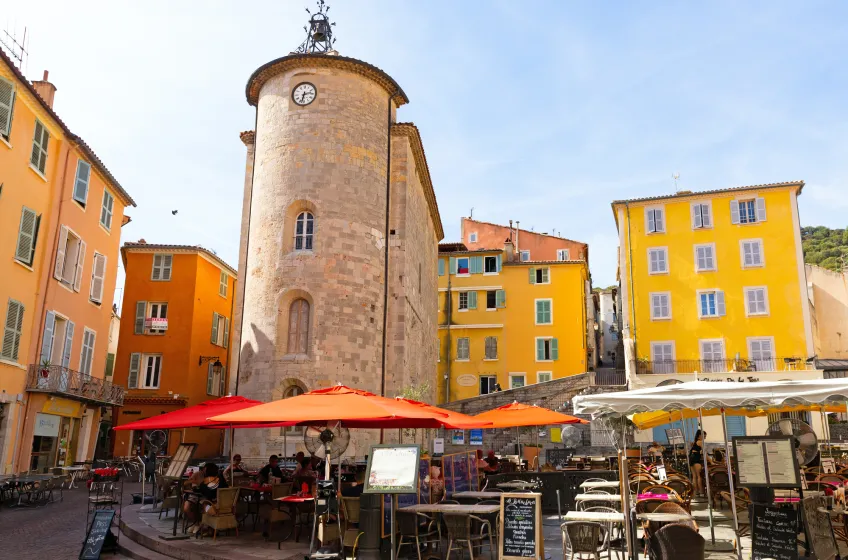
Place Massillon: The main square lined with cafés and perfect for a morning coffee or evening apéritif.
-
Old ramparts and city gates: Still visible in parts of the town, offering a glimpse into its fortified past.
Villa Noailles
This modernist villa perched above the old town is a cultural centre and architectural icon. Built in the 1920s for art patrons Charles and Marie-Laure de Noailles, it has hosted artists like Cocteau, Dali, and Man Ray. Today, it showcases contemporary art, design, photography, and fashion exhibitions.
Villa Noailles is also the heart of Hyères' prestigious International Festival of Fashion, Photography, and Accessories, held every spring.
The gardens offer a beautiful view over the town and coast.
Château d’Hyères (Ruins of the Castle)
Above the old town, the ruins of the Château d’Hyères offer stunning panoramic views of the islands and surrounding hills. Originally built in the 11th century, the castle was destroyed during the Wars of Religion, but the remaining towers and walls still exude medieval atmosphere.
The short walk up through Castel Sainte-Claire Park is lined with exotic plants and makes for a lovely afternoon hike.
Jardins Olbius Riquier
This 7-hectare botanical garden and small zoo is a family favourite and a relaxing spot for all ages. The Jardins Olbius Riquier house tropical plants, palm trees, waterfalls, and colourful flowers, along with peacocks, ducks, and ponies.
It’s a peaceful green space near the town centre and ideal for picnics, slow walks, or a cool break from sightseeing.
Tour des Templiers
Located in the heart of the old town, this Templar Tower is one of the oldest buildings in Hyères. Built in the 12th century by the Knights Templar, it now hosts art exhibitions and cultural events.
While the interior exhibitions vary, the tower’s history and architecture make it worth a visit—and entry is usually free.
The Salt Flats and Flamingos (Salins d’Hyères)
Hyères is bordered by beautiful salt marshes and wetlands, home to migratory birds including flamingos. The Salins des Pesquiers and Salin des Vieux are protected nature reserves with observation platforms, walking trails, and guided tours.
Bring binoculars or a good camera if you’re into birdwatching or nature photography. Sunset over the flats is particularly stunning.
Plage de l’Almanarre
This long, golden beach stretches for 5 kilometres along the Giens Peninsula, facing the west and offering calm, shallow waters. It’s one of the most popular beaches near Hyères—great for swimming, windsurfing, kitesurfing, or just stretching out under the sun.
The wind here makes it a favourite for water sports, and in quieter spots, the views of the islands are incredible.
Presqu’île de Giens
The Giens Peninsula is a unique double tombolo (a land formation with two sandbars) connecting the mainland to a rocky headland. It’s a paradise for hikers, kayakers, divers, and cyclists.
Highlights include:
-
Sentier du Littoral: A stunning coastal path with views of cliffs, hidden coves, and turquoise sea.
-
Port du Niel and La Madrague: Charming little harbours for fresh seafood or boat rentals.
-
Salt flats and bike paths: Flat, scenic trails ideal for leisurely rides.
Take a Boat to Porquerolles
The Îles d'Or (Golden Islands) are Hyères’ biggest draw, and Porquerolles is the most popular. Ferries leave regularly from La Tour Fondue on the Giens Peninsula (reachable by car, bus, or bike). On the island, you can:
-
Rent a bike and cycle to Plage Notre-Dame, regularly voted one of the most beautiful beaches in Europe.
-
Explore pine forests and vineyards.
-
Visit the Fort Sainte-Agathe or the Botanical Conservatory.
Cars are banned on the island, adding to its peaceful, unspoilt charm.
Port-Cros and Île du Levant
The nearby islands of Port-Cros (a national park with excellent hiking and snorkelling) and Île du Levant (known for its naturist community and wild beauty) offer quieter, more adventurous alternatives to Porquerolles.
Ferries are slightly less frequent but well worth it for nature lovers and those seeking off-the-beaten-track experiences.
Practical Advice for Visitors
Getting There
-
By train: Hyères has its own train station with TER connections to Toulon, Marseille, and Nice. The station is about 2 km from the town centre and served by local buses.
-
By air: The Toulon-Hyères Airport (TLN) is just 10 minutes from town, with seasonal flights from Paris, London, Brussels, and other European cities.
-
By car: Hyères is easily accessed via the A570 motorway, roughly 1 hour from Marseille and 90 minutes from Nice.
Parking
Parking is available in both the old town and along the beaches, though it gets busy in July and August. Key options include:
-
Parking Clemenceau and Parking Gambetta: for central access
-
La Tour Fondue: for Porquerolles ferry access
-
Almanarre Beach lots: free, but fill up early in summer
During peak season, park-and-ride shuttles help ease congestion, especially for island access.
Dining
Hyères has an excellent mix of traditional Provençal cuisine, seafood, and modern Mediterranean fare.
-
Le Moulin à Chapelle: A romantic spot in an old olive mill with creative dishes.
-
La Reine Jane: In the port area, perfect for fresh seafood and harbour views.
-
L’Enoteca: Tucked into the old town, with great wines and Provençal plates.
-
Le Marais: Beachy and casual, good for drinks and snacks near Almanarre.
Island dining on Porquerolles is also excellent, especially at L’Oustaou, serving fish and regional dishes.
Shopping
Hyères is known for:
-
Local markets: The Saturday morning market in the old town is one of the best in the region—full of produce, lavender, soaps, ceramics, and local wines.
-
Fashion and design: Inspired by its connection to Villa Noailles, Hyères supports local designers, especially during the fashion festival.
-
Olive oil, honey, and rosé wine: Available from nearby vineyards and shops.
When to Visit
-
Spring (April–June): Ideal for wildflowers, mild weather, and hiking before the crowds arrive.
-
Summer (July–August): Hot, lively, with bustling beaches and festivals—but also peak season for tourism.
-
September–October: Warm sea, fewer people, and golden light make it arguably the best time to visit.
-
Winter: Mild and quiet, great for walking, island visits, and enjoying Provençal life without the bustle.
Local Events
-
Fashion and Photography Festival (April): Hosted at Villa Noailles, attracting global design talent.
-
Festival de Musique Ancienne (July): Early music concerts in historic venues.
-
Jazz à Porquerolles (July): Jazz festival on the island—intimate and unforgettable.
-
Medieval Days in the Old Town (August): Costumes, parades, markets, and jousting shows.
Exploring Beyond Hyères
If you’re staying a few days, Hyères is well placed for fantastic day trips:
-
Bormes-les-Mimosas (25 minutes): A floral hilltop village with wonderful views and craft shops.
-
Le Lavandou (30 minutes): Lovely beaches and boat trips.
-
Toulon (25 minutes): A working port with a cable car ride to Mont Faron and bustling markets.
-
Collobrières (40 minutes): Chestnut capital of Provence with hiking and wine tasting.
Final Thoughts
Hyères is a unique and deeply rewarding destination on the French Riviera—less showy, more soulful, and brimming with natural and cultural treasures. Whether you come for the beaches, the islands, the gardens, or the old town's winding streets, Hyères invites you to slow down and savour the Provençal way of life.
It’s a place where nature and heritage go hand in hand, where every day brings a new landscape to explore, and where the Mediterranean sparkles just a little more quietly than elsewhere. For travellers in search of authentic southern France—Hyères is a perfect escape.
Shortlist
- Your Shortlist is empty