
Discover Hindhead | A Visitor's Introduction to Hindhead
Hindhead is a tranquil village in southwest Surrey, perched at one of the highest points in the county and surrounded by some of England’s most scenic countryside. Known for its association with literary figures, dramatic natural landscapes, and historical intrigue, Hindhead is a hidden gem for walkers, nature lovers, and those seeking a peaceful retreat from modern life. It’s most famous for the Devil’s Punch Bowl—a vast natural amphitheatre carved into the land—and its rich backdrop of heathland and woodland, part of the Surrey Hills Area of Outstanding Natural Beauty.
Recommended Hindhead Accommodation: Hotels Bed & Breakfasts Pub Accommodation
Why is Hindhead Worth a Visit?
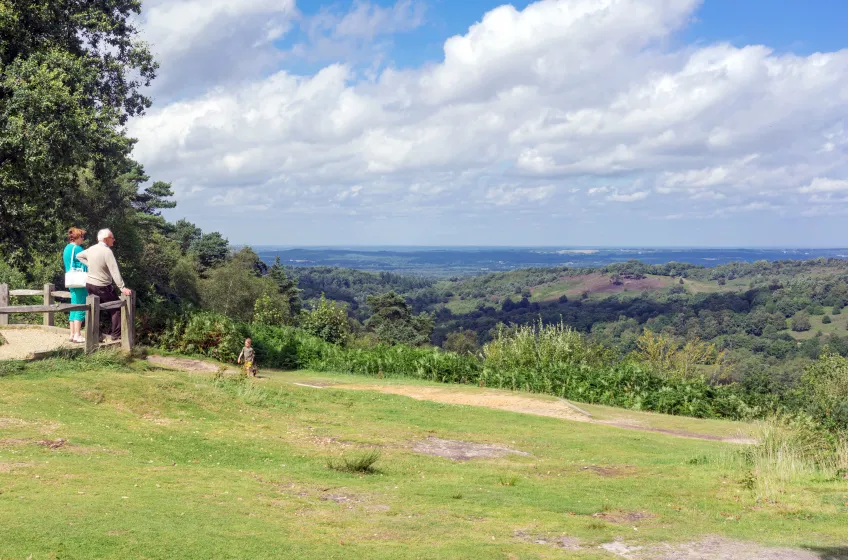
Hindhead is worth visiting for its remarkable scenery, historical resonance, and the sheer tranquillity of its setting. Once a secluded and misty crossing point on the old Portsmouth Road, Hindhead is now a haven for those seeking solace in nature. Its lofty elevation offers sweeping views across the South Downs and the Weald, and its wooded commons are a haven for walkers and wildlife watchers alike.
Hindhead also has a unique and slightly mysterious past, once infamous for highwaymen and fog-covered roads, and immortalised in English literature and folklore. Despite its size, it offers deep experiences for those willing to slow down and engage with the landscape, history, and spirit of the place.
Hindhead Highlights: Things to See and Do in Hindhead
The Devil’s Punch Bowl
The Devil’s Punch Bowl is Hindhead’s most iconic landmark. This vast, natural hollow is wrapped in legend—it was once believed to be where the devil scooped up earth to throw at Thor. Today, it’s a stunning National Trust site, offering miles of well-marked walking trails through heathland, forest, and along high ridges with panoramic views. There’s a visitor centre with a café, toilets, and maps, and the walk to Gibbet Hill is a must, as it’s one of the highest points in Surrey.
Gibbet Hill
Standing at 272 metres above sea level, Gibbet Hill provides breathtaking views across the Sussex Weald and even as far as the South Downs on a clear day. The site’s name comes from its grim history—this was a place where highwaymen were hanged and left on display. A Celtic cross stands here as a memorial, and the atmospheric setting only adds to the hill’s historic resonance.
Hindhead Commons
These expansive commons are criss-crossed with trails suitable for walking, cycling, and horse riding. The mix of heathland and woodland provides year-round interest, with purple heather in late summer, rich autumn colours, and snowy stillness in winter. Wildlife is abundant, including deer, birds of prey, and rare butterflies.
The Temple of the Winds
Located at nearby Black Down, this circular stone bench and viewpoint is named after the swirling winds that often blow here. A short walk from the Punch Bowl, it offers an incredible vantage point and is one of Alfred Lord Tennyson’s favourite spots—he lived nearby in Aldworth House and frequently walked the Downs for inspiration.
Tennyson’s Lane and Tennyson’s Trail
Named after the famous poet who lived locally, these routes link Hindhead with nearby Haslemere and Black Down. Tennyson's Trail is ideal for a long, contemplative walk through shaded woodland and high heathland, passing places that inspired much of his work.
National Trust Café and Visitor Centre
Located at the Punch Bowl car park, the café offers a relaxing spot for tea, coffee, cakes, and light lunches. There’s a small shop selling local gifts, walking maps, and National Trust items, making it a good base for beginning your exploration of Hindhead’s natural highlights.
The Sailor’s Stone
This haunting memorial stone, found along the old Portsmouth Road path, marks the site of the infamous 1786 murder of an unknown sailor by three highwaymen. The tale is part of local folklore and adds a layer of eerie history to the landscape. A second stone, the Gibbet Stone, marks where the murderers were executed.
Practical Advice for Visitors
Getting There
Hindhead is located just off the A3, which links London and Portsmouth. It’s easily reached by car, and the Hindhead Tunnel has helped restore peace to the village by diverting heavy traffic underground. The nearest railway station is Haslemere, about 3 miles away, with regular services from London Waterloo. From the station, you can take a short taxi ride or local bus.
Parking
There is a large National Trust car park at the Devil’s Punch Bowl, which operates a pay-and-display system (free for National Trust members). Smaller laybys and roadside spots are available near some trailheads, but parking is generally best at the main site to access facilities.
Dining
While Hindhead is small, there are a few charming places to eat nearby. The Devil’s Punch Bowl Hotel offers traditional pub meals in a scenic setting. Just a short drive away in Grayshott or Haslemere, you’ll find a wider range of pubs, cafés, and restaurants—The Fox & Pelican in Grayshott and Hemingways in Haslemere are both highly recommended.
Shopping
Hindhead has a few local shops and services, but for a more extensive shopping experience, head to nearby Haslemere or Farnham. Grayshott also has a lovely collection of independent shops, a bakery, and a farm shop with local produce.
When to Visit
Hindhead is stunning year-round. Spring brings fresh greenery and birdsong, while summer offers warm walks and flowering heather. Autumn is particularly colourful with golden leaves and misty mornings, and winter, though quieter, has a stark beauty—especially if there’s a dusting of snow across the hills. Weekdays are ideal for a peaceful visit, as weekends can be busier with walkers.
Local Events
While Hindhead itself is quiet, nearby towns like Haslemere and Grayshott host events throughout the year. Haslemere Festival, Grayshott Folk Club concerts, and seasonal fairs often draw visitors. The National Trust also runs guided walks and family activities at the Punch Bowl, particularly during school holidays and bank holiday weekends.
Exploring Beyond Hindhead
From Hindhead, you can easily explore some of Surrey and Sussex’s finest countryside. Head to Black Down for more sweeping views and wild beauty, or to Frensham Ponds for a unique sandy lakeside landscape. Petworth House, a National Trust stately home with an art-filled interior and landscaped grounds, is around 30 minutes away. Liphook, Midhurst, and Guildford all offer additional attractions, shopping, and dining.
Hindhead may be small, but its landscape looms large in both beauty and significance. Whether you're following ancient tracks, soaking in misty hilltop views, or pondering the past at a forgotten stone, Hindhead offers a rare kind of stillness and connection with the land. For walkers, poets, and quiet adventurers, it’s a destination of timeless appeal.
Shortlist
- Your Shortlist is empty