
A Visitor's Introduction to Glamis Castle
Glamis Castle, located in the heart of Angus, Scotland, is one of the country's most historic and architecturally significant castles. Situated approximately 20 kilometres north of Dundee and just outside the village of Glamis, the castle has long been associated with royal heritage, dramatic history, and Scottish legend. As the ancestral seat of the Earls of Strathmore and Kinghorne, Glamis is perhaps best known as the childhood home of Queen Elizabeth The Queen Mother and the birthplace of Princess Margaret. The castle is surrounded by extensive parkland and formal gardens, making it an appealing destination not only for history enthusiasts but also for nature lovers and those interested in Scottish culture.
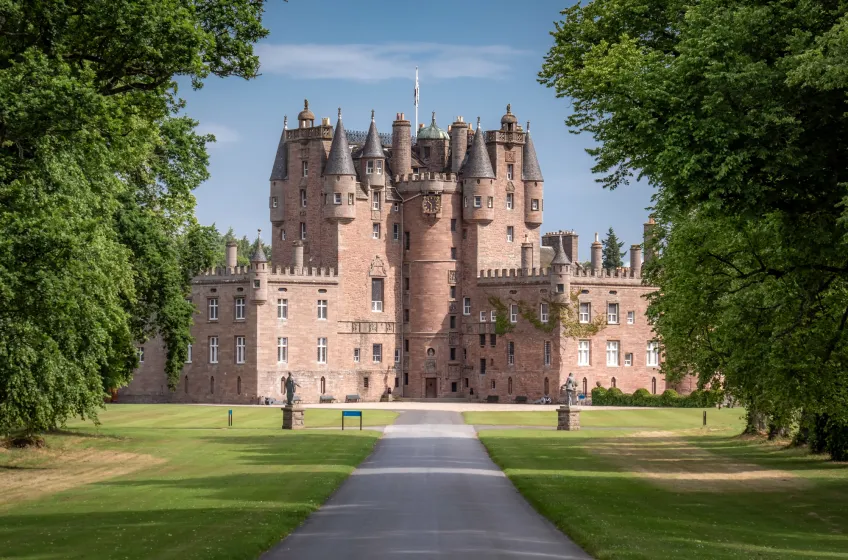
The castle’s turrets, battlements, and stonework convey the romanticised image of a traditional Scottish castle, yet its grandeur is matched by a rich and sometimes turbulent past. With links to Shakespeare’s Macbeth, reports of ghostly sightings, and a setting steeped in mythology, Glamis Castle offers visitors a compelling mixture of historical depth and atmospheric intrigue. Guided tours provide access to beautifully preserved rooms, while the grounds and exhibitions further enhance the experience.
Recommended Forfar accomodation: Hotels Bed & Breakfasts
Pre-book Angus Attractions, Tours & Experiences
Why Is Glamis Castle Worth a Visit?
Glamis Castle is worth visiting for its unique combination of historical importance, architectural elegance, and connection to both national and literary heritage. Unlike many castles that have become mere ruins or modernised residences, Glamis remains a lived-in and carefully maintained property that continues to offer insight into centuries of Scottish aristocratic life.
Its royal associations alone make it an attraction of interest to many. The Queen Mother spent much of her early life here, and her deep affection for the castle is evident in the care taken to preserve it. Princess Margaret was born at Glamis, the first royal baby born in Scotland since the 17th century. These ties give Glamis an intimate connection to modern British monarchy, distinguishing it from many other historical sites.
Beyond royal history, the castle has an evocative atmosphere due to centuries of storytelling, ghost legends, and dramatic architecture. The guides are knowledgeable and well-trained, providing rich narratives that bring the setting to life. The interiors are remarkably well preserved, with original furniture, artwork, tapestries, and artefacts dating back hundreds of years.
In addition to the historical and architectural appeal, the castle grounds include walking trails, landscaped gardens, a nature trail, and a play area, allowing visitors of all ages to enjoy their visit in different ways. Seasonal events and exhibitions add variety throughout the year.
Glamis Castle Highlights
The Castle Exterior
The striking facade of Glamis Castle is an iconic example of Scottish baronial architecture. Its turrets, towers, and red sandstone construction present a dramatic silhouette against the surrounding countryside. Originally a royal hunting lodge, the building has evolved over more than six centuries to become a highly distinctive structure that reflects changes in Scottish architectural styles.
The Drawing Room
One of the most elaborately decorated rooms in the castle, the Drawing Room displays fine 18th-century furnishings, a white marble fireplace, and a ceiling adorned with painted plasterwork. Portraits of the Bowes-Lyon family, including the Queen Mother, are exhibited here. The room serves as an example of the kind of grandeur in which the family entertained guests and held private gatherings.
The Dining Room
The formal Dining Room features an impressive oak table, ornate ceilings, and walls lined with family portraits. The décor reflects the grandeur of Edwardian and late Victorian eras. Guides often use this room to describe the traditions and customs of aristocratic dining and hospitality.
King Malcolm’s Room
Traditionally believed to be the room where King Malcolm II of Scotland was murdered in 1034, this chamber ties the castle to a far older historical narrative. Although the authenticity of this story is debated, it contributes to the legendary atmosphere that permeates Glamis.
Duncan’s Hall
Named after King Duncan, a character in Shakespeare’s Macbeth, Duncan’s Hall is one of the oldest surviving parts of the castle. The connection to the play—despite being historically inaccurate—draws many literary visitors. The room offers views of the castle’s early defensive structures and construction phases.
The Chapel
The private chapel remains a consecrated space and is still used by the family. Richly decorated, it contains a remarkable 17th-century painted ceiling featuring religious themes and symbols. One pew is traditionally kept empty, said to be reserved for the Grey Lady, a ghost reputed to haunt the castle.
The Crypt and Secret Room Legends
The crypt is one of the most atmospheric parts of the castle, known for its thick stone walls and the many stories of hidden chambers. Glamis has long been associated with myths about a secret room hidden within its structure—supposedly known only to three people at any time. While the truth of such legends remains unverified, they contribute to the castle’s mystique.
The Royal Apartments
These rooms highlight the castle’s close connection to the Royal Family. Furnishings and personal items from the Queen Mother are displayed here, offering insight into her life and character. The apartments are more intimate than other rooms, giving visitors a closer look at family life in the castle.
The Castle Gardens
The formal gardens surrounding Glamis Castle are well-maintained and vary in style, including a traditional Italian Garden and a more informal Walled Garden. Seasonal flowers, sculpted hedges, and ornamental fountains make this area especially popular during spring and summer months.
Nature Trail and Estate Grounds
The wider estate includes ancient woodland, pasture, and managed parkland. A nature trail leads visitors through these areas, with information panels identifying local flora and fauna. Red squirrels, deer, and a variety of birds can often be seen along the route.
Exhibition Rooms and Visitor Centre
The on-site Exhibition Rooms showcase artefacts related to the castle's history, including military memorabilia, family heirlooms, and agricultural tools used on the estate. The Visitor Centre includes a small museum and is the starting point for many of the guided tours.
Seasonal Events and Activities
Throughout the year, Glamis Castle hosts events such as open-air theatre performances, vintage car shows, craft fairs, and Christmas markets. These activities attract both locals and tourists and offer additional reasons to return for repeat visits.
Nearby Attractions
Glamis Castle is situated in a region rich with heritage sites, scenic spots, and cultural experiences. Just a short drive away is Kirriemuir, the birthplace of Peter Pan author J.M. Barrie. The town contains the Peter Pan statue and a museum dedicated to the writer. For those interested in local history, The Meffan Museum and Art Gallery in Forfar offers insight into the area’s past, including its weaving industry and Pictish stones.
Glamis Village, located immediately next to the castle, has a small selection of shops and cafés, providing a quaint stop for refreshments or a short walk. Nature enthusiasts may wish to explore the Angus Glens, a collection of glacial valleys offering excellent walking, hiking, and wildlife spotting opportunities.
Further afield, Arbroath Abbey, where the Declaration of Arbroath was signed in 1320, is less than an hour’s drive away and is one of Scotland’s most important medieval sites. Scone Palace, another residence with royal connections, is about an hour to the west and offers a contrasting experience of Scottish noble life.
Practical Advice for Visitors
Visiting Glamis Castle is relatively straightforward, but a few practical points can help make the trip more enjoyable. The castle is typically open from late March to late October, with slightly reduced hours outside the peak summer season. It is advisable to check the official website for current opening times, tour schedules, and any seasonal closures or events.
Most visitors begin their experience at the Visitor Centre, where tickets can be purchased, and audio guides or guided tours can be arranged. Guided tours are highly recommended, as many rooms in the castle are only accessible with a guide, and their historical commentary greatly enhances the visit.
There is ample car parking on site, including dedicated spaces for coaches and accessible parking for those with limited mobility. The site is generally accessible, although the age of the building means some areas, particularly upstairs rooms in the castle, may present challenges for wheelchair users. However, staff are usually on hand to assist wherever possible.
The on-site restaurant and café serve a selection of hot meals, sandwiches, cakes, and drinks, with options for children and dietary requirements. A gift shop offers souvenirs, books, and locally made products.
To make the most of the visit, wearing comfortable footwear is recommended, especially for those intending to explore the gardens and nature trails. Bringing waterproof clothing or an umbrella is sensible, as Scottish weather can be unpredictable.
Dogs are welcome in the grounds but must be kept on leads. They are not allowed inside the castle itself. Families with children will find a dedicated play area near the gardens, and seasonal activities are often geared toward younger visitors.
Group bookings and private tours can be arranged in advance, and Glamis Castle is also available for weddings and corporate events. Photography is allowed in the grounds but is restricted inside the castle itself.
Conclusion
Glamis Castle remains one of Scotland’s most engaging historical sites, offering a well-rounded visitor experience that blends royal history, legend, and natural beauty. Whether for its connections to the Royal Family, its architectural splendour, or its picturesque setting, Glamis continues to attract visitors from around the world. With a combination of indoor and outdoor attractions, educational exhibits, and seasonal events, it provides a comprehensive and enjoyable day out for individuals, families, and tour groups alike.
Shortlist
- Your Shortlist is empty