
Discover Galloway | A Visitor's Introduction to Galloway
Galloway is a scenic and historic region in southwest Scotland, encompassing the counties of Dumfriesshire and Kirkcudbrightshire, and now forming part of the Dumfries and Galloway council area. Defined by its rugged coastline, rolling hills, ancient forests, and deep sense of history, Galloway is a paradise for walkers, cyclists, wildlife lovers, and those seeking tranquillity far from the tourist crowds. With charming villages, rich cultural traditions, and vast stretches of natural beauty, Galloway offers a truly authentic Scottish experience.
Recommended Galloway Accommodation: Hotels Bed & Breakfasts Pub Accommodation
Why is Galloway Worth a Visit?
Galloway is worth visiting for its untouched landscapes, abundant outdoor activities, and deep cultural roots. It is home to Galloway Forest Park—one of the largest forests in the UK and the first designated Dark Sky Park in Scotland—making it a haven for stargazers and nature lovers alike. From wild coastlines and sandy beaches to peaceful lochs and historic castles, Galloway is packed with hidden gems.
Unlike more crowded destinations in the Highlands or Edinburgh, Galloway offers peace and authenticity. It’s ideal for anyone seeking scenic drives, ancient ruins, walking trails, or simply time away from the bustle of everyday life.
Galloway Highlights: Things to See and Do in Galloway
Galloway Forest Park
Covering over 300 square miles, Galloway Forest Park is the region’s crown jewel. With its vast woodlands, lochs, and mountain trails, it's perfect for hiking, mountain biking, wildlife watching, and photography. The park is particularly famous for its dark skies—visit the Scottish Dark Sky Observatory or just lie back and gaze at the stars in one of the clearest night skies in Europe.
Loch Ken
This freshwater loch lies at the heart of Galloway and offers a range of outdoor pursuits including sailing, kayaking, paddleboarding, and fishing. The surrounding area is rich in wildlife, with red kites, otters, and deer often spotted along the banks. The Galloway Activity Centre on the loch’s eastern shore offers equipment hire and adventure activities.
Threave Castle
Set on an island in the River Dee, Threave Castle is one of Galloway’s most atmospheric historical sites. Built in the 14th century by Archibald the Grim, it can only be reached by a small boat, adding to its allure. The nearby Threave Gardens are also worth a visit, with formal plantings and a nature reserve managed by the National Trust for Scotland.
Wigtown – Scotland’s National Book Town
Wigtown is a must for book lovers. As Scotland’s official Book Town, it hosts an annual literary festival and is home to over a dozen independent bookshops. The town has a laid-back, artsy vibe and a pretty setting overlooking Wigtown Bay, a local nature reserve and popular birdwatching site.
The Machars Peninsula
The Machars is a quiet, mostly undiscovered peninsula that offers stunning seascapes, ancient standing stones, and charming villages. The town of Whithorn is believed to be the site of the first Christian church in Scotland, and its museum and priory are key attractions. The coastal route around the peninsula makes for a beautiful drive or cycle.
Kirkcudbright – The Artists' Town
Kirkcudbright (pronounced kir-coo-bree) is known for its artistic heritage and colourful harbour. A former home to the Glasgow Boys and other Scottish painters, it still buzzes with creative energy, galleries, and art events. The town is a pleasure to explore on foot, with its pastel-painted buildings, independent shops, and nearby beaches.
Mull of Galloway
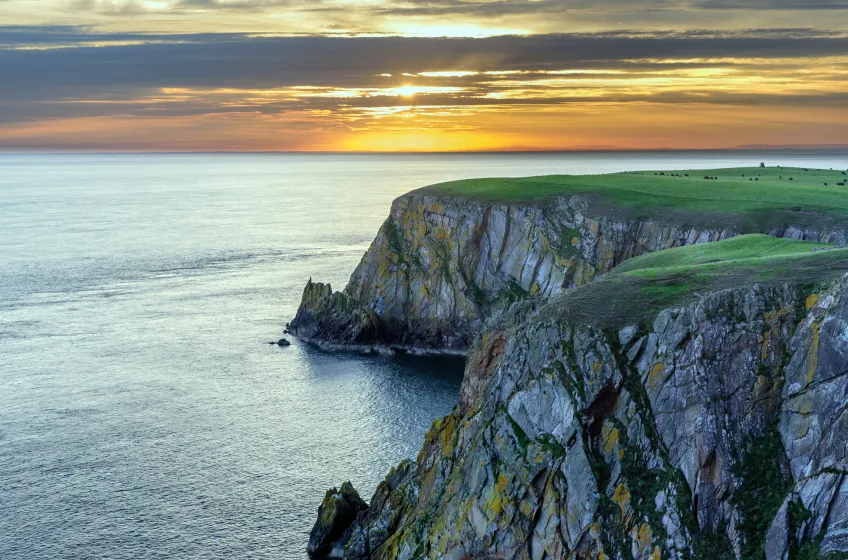
The southernmost point in Scotland, the Mull of Galloway offers dramatic cliffs, a lighthouse you can climb, and panoramic views across the Irish Sea to Northern Ireland, the Isle of Man, and Cumbria. It’s a perfect spot for coastal walks and seabird watching—razorbills, kittiwakes, and even puffins can be seen in season.
Castle Kennedy Gardens
These expansive landscaped gardens are built around the ruins of a 16th-century castle and a later baronial house. Known for their spectacular rhododendrons, azaleas, and exotic trees, they offer peaceful walking paths, ornamental lakes, and beautiful views of the surrounding countryside.
Glenluce Abbey
Founded in the 12th century by Cistercian monks, Glenluce Abbey is now a tranquil ruin with a deeply spiritual atmosphere. Set in a secluded valley, it’s a quiet and evocative site where history and nature meet.
Cairnsmore of Fleet
One of Galloway’s most accessible mountains, Cairnsmore of Fleet offers rewarding hikes with panoramic views over the Solway Coast and inland hills. The surrounding nature reserve is rich in birds and wildflowers, making it a great choice for nature lovers.
Portpatrick
This charming harbour village on the Rhins of Galloway peninsula is known for its colourful seafront cottages and coastal walks. It's a great place for seafood, with pubs and restaurants offering fresh catches and sea views. The Southern Upland Way, one of Scotland’s long-distance trails, begins here.
Practical Advice for Visitors
Getting There
Galloway is best explored by car, as public transport is limited and many attractions are off the beaten path. The region is about two to three hours' drive from Glasgow or Edinburgh via the M74 or A75. There are also train services to Dumfries and Stranraer, with local bus connections, but for flexibility and access to more remote spots, a car is highly recommended.
Parking
Most towns and villages in Galloway offer free or low-cost parking, including near popular walking areas, lochs, and coastal viewpoints. Even in busier towns like Kirkcudbright or Wigtown, parking is generally easy to find.
Dining
Galloway is known for its local food culture. Expect hearty Scottish fare made with locally sourced ingredients—lamb, venison, seafood, artisan cheeses, and farm-fresh vegetables are all on the menu. Top spots include Mr Pook’s Kitchen in Castle Douglas, the Harbour Inn in Garlieston, and The Steam Packet Inn in Isle of Whithorn.
Many farm shops and tearooms along rural roads offer excellent homemade lunches and baked goods. The area is also known for craft breweries and distilleries, such as Crafty Distillery near Newton Stewart.
Shopping
Castle Douglas and Kirkcudbright have great independent shops selling local crafts, art, and food products. Wigtown is heaven for book lovers, while local markets and farm shops offer seasonal produce, preserves, and handmade gifts.
When to Visit
Spring and summer (April to September) are the best times to explore Galloway, with longer days, milder weather, and blooming gardens. Autumn brings vivid colours and excellent walking conditions, while winter is quiet but atmospheric, especially for stargazing in Galloway Forest Park.
Events like the Wigtown Book Festival in September and various food, arts, and music festivals throughout the year bring extra buzz to the region.
Local Events
-
Wigtown Book Festival (September) – Scotland’s leading literary festival.
-
Kirkcudbright Art and Crafts Trail (August) – A town-wide celebration of local creativity.
-
Galloway Country Fair (August) – Country life showcased at Drumlanrig Castle.
-
Newton Stewart Walking Festival (May) – Guided walks and outdoor experiences.
Exploring Beyond Galloway
While Galloway is a destination in itself, it’s also a great base for exploring the wider Dumfries and Galloway region. Dumfries offers museums and Robert Burns heritage, while heading east brings you to the Borders. For onward travel, ferry services from Cairnryan connect to Northern Ireland.
Galloway is a hidden treasure—wild, beautiful, and brimming with character. It’s a place where you can wander through forests, dine on fresh local produce, walk in the footsteps of monks and warriors, and gaze at the stars in perfect darkness. Whether you’re looking for solitude, scenery, or simple pleasures, Galloway delivers a deeply rewarding experience that feels both timeless and unforgettable.
Shortlist
- Your Shortlist is empty