
Discover Friesland | A Visitor's Introduction to Friesland
Recommended places to visit, places to stay and things to do in Friesland
Friesland (Fryslân in the local Frisian language) is a unique province in the north of the Netherlands, famous for its water-rich landscapes, proud cultural identity, and strong maritime traditions. With its own officially recognised language, distinct history, and a slower, more rural pace of life, Friesland feels a world away from the bustle of the Randstad. From the picturesque lakes and canals of the Friese Meren to the vast Wadden Sea mudflats and charming harbour towns, this is a place where nature, heritage, and tradition meet.
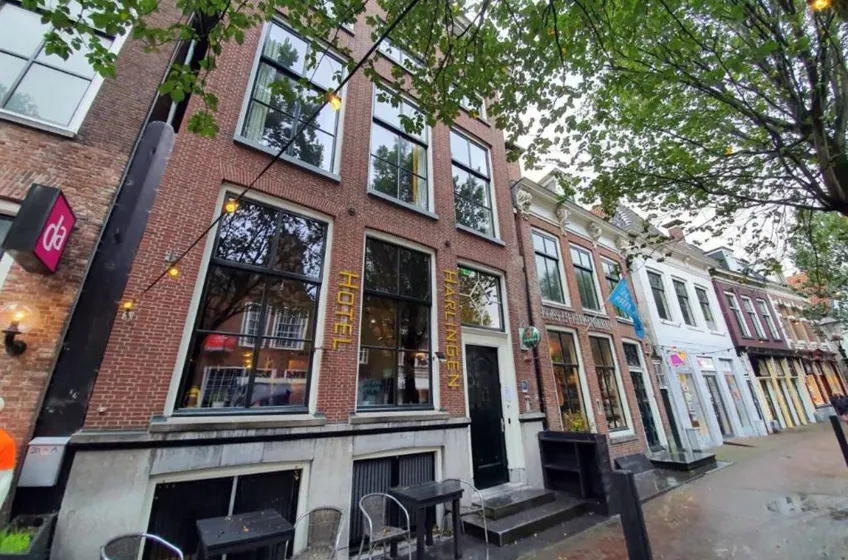
Recommended Friesland Accommodation: Hotels
Why is Friesland Worth a Visit?
Friesland is worth visiting for its blend of natural beauty, cultural uniqueness, and outdoor adventures. It’s the Netherlands’ watersports capital, with endless opportunities for sailing, canoeing, and paddleboarding. The province is also home to the Wadden Islands, part of a UNESCO World Heritage Site, offering sandy beaches, dunes, and nature reserves.
On land, Friesland’s network of historic towns, cycling routes, and nature parks makes it perfect for slow travel. The locals take pride in their Frisian language and traditions, from the famous Elfstedentocht (Eleven Cities) ice-skating route to annual skûtsjesilen (traditional sailing races). Whether you’re here to explore by boat, bike, or on foot, Friesland offers an authentic Dutch experience with its own distinct flavour.
Friesland Highlights: Things to See and Do in Friesland
Leeuwarden
The provincial capital and former European Capital of Culture (2018) is full of canals, historic buildings, and quirky attractions. Climb the leaning Oldehove tower for city views, explore the Fries Museum for art and history, and wander through the compact old town’s cafés and shops.
Frisian Lakes (Friese Meren)
This network of interconnected lakes and waterways in southwest Friesland is a paradise for sailing and boating. Towns like Sneek, Lemmer, and Heeg are popular bases, with marinas, boat rentals, and lively waterfront terraces.
Wadden Islands (Waddeneilanden)
Friesland’s stretch of the Wadden Islands includes Ameland, Schiermonnikoog, Terschelling, and Vlieland. Each has its own character, from Ameland’s family-friendly beaches to Schiermonnikoog’s quiet nature. Cycling is the best way to explore these car-light or car-free islands.
Sneek
One of Friesland’s Eleven Cities, Sneek is known for its sailing heritage and the iconic Waterpoort (Water Gate). The town comes alive during Sneekweek, the largest inland sailing event in Europe, held every August.
Elfstedentocht Route
This legendary 200-kilometre ice-skating race only takes place in winters cold enough to freeze the waterways. Even without ice, you can follow the route by bike or car, visiting the eleven historic towns along the way.
Skûtsjesilen
These traditional Frisian sailing races on flat-bottomed cargo boats take place in summer across the lakes. The colourful sails, local crowds, and festive atmosphere make them a unique cultural experience.
Wadden Sea UNESCO World Heritage Site
The tidal mudflats along Friesland’s north coast are a haven for birdlife and a unique natural landscape. Guided wadlopen (mudflat walking) tours let you hike across the seabed at low tide – an unforgettable experience.
Harlingen
A charming harbour city with ferries to the Wadden Islands, Harlingen boasts historic warehouses, maritime museums, and excellent seafood restaurants.
Alde Feanen National Park
A watery landscape of lakes, reed beds, and meadows, Alde Feanen is perfect for canoeing, birdwatching, and cycling. The visitor centre in Earnewâld offers maps and boat rentals.
Franeker
Home to the Eise Eisinga Planetarium, the world’s oldest working orrery (model of the solar system), built in a canal house in the 18th century. The town is also one of the Eleven Cities and has a rich academic history.
Practical Advice for Visitors
Getting There
Leeuwarden is about 2 hours by train from Amsterdam, with connections to other towns via local rail and bus. By car, the A6 and A7 motorways provide access from the south and west. Ferries connect Harlingen, Holwerd, and Lauwersoog to the Wadden Islands.
Parking
Towns have central car parks, with some offering free parking outside the centre and shuttle buses in summer. On the islands, parking is available near ferry terminals, as most islands limit or restrict car use.
Dining
Frisian cuisine features fresh fish, local dairy, and hearty fare. Try suikerbrood (sweet bread with sugar lumps), oranjekoek (spiced cake with pink icing), and dishes made from lake fish like eel and pike-perch. Coastal towns serve excellent seafood, and many villages have cosy waterside cafés.
Shopping
Friesland is known for pottery (Leeuwarden and Makkum), nautical gear, and local food products. Markets in towns like Sneek and Leeuwarden sell regional cheeses, meats, and baked goods.
When to Visit
Summer is best for boating, cycling, and island trips, with long days and mild weather. Spring brings bird migrations to the Wadden Sea, while autumn offers fewer crowds and rich colours in the wetlands. Winter can be magical if conditions allow for ice skating on natural ice – a rare but beloved tradition.
Local Events
Major events include Sneekweek (August), Skûtsjesilen regattas (July–August), and Harlingen’s Tall Ships Races. Leeuwarden hosts cultural festivals year-round, from street theatre to art fairs.
Exploring Beyond Friesland
From Friesland, you can easily reach Groningen to the east, Flevoland to the south, or cross into Germany’s East Frisian coast. Day trips to the Drents-Friese Wold National Park and the Frisian Lakes region blend culture and nature.
Shortlist
- Your Shortlist is empty