
Discover Ardennes | A Visitor's Introduction to Ardennes
The French Ardennes, located in the Grand Est region of northeastern France, is a land of deep forests, dramatic river valleys, and medieval fortresses. Known for its tranquil beauty and rich historical significance, particularly during the World Wars, this lesser-travelled corner of France is perfect for nature lovers, history buffs, and anyone seeking peaceful rural exploration. With its winding roads, towering castles, and friendly market towns, the French Ardennes offers an authentic escape into the country’s green heart.
Recommended Ardennes Accommodation: Hotels Bed & Breakfasts
Why is Ardennes Worth a Visit?
The French Ardennes department is worth visiting for its unspoilt nature, fascinating military history, and striking landscapes shaped by the Meuse and Semoy rivers. This is a region where you can hike through ancient beech woods one day and visit Europe’s largest medieval castle the next. The slower pace of life and quiet beauty of its towns and countryside make it ideal for walking, cycling, kayaking, or simply enjoying hearty regional cuisine. It’s also steeped in history, from the Napoleonic era to the decisive battles of World War II, offering visitors depth and tranquillity in equal measure.
Ardennes Highlights: Things to See and Do in the French Ardennes
Château Fort de Sedan
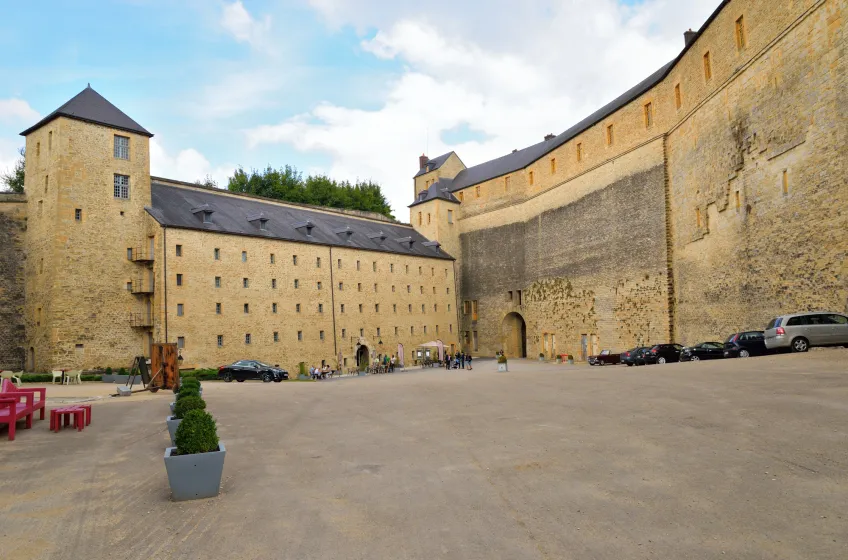
This vast fortress in the town of Sedan is the largest medieval castle in Europe, covering over 35,000 square metres. Explore its thick ramparts, medieval exhibits, and sweeping views from the towers. The castle regularly hosts historical reenactments, concerts, and medieval festivals that bring its history to life.
Charleville-Mézières
The departmental capital is a cultural and architectural gem. Its elegant 17th-century Place Ducale is a smaller cousin to Paris’s Place des Vosges. The town is also the birthplace of poet Arthur Rimbaud, with a dedicated museum and poetic walking route following his legacy. Charleville also hosts the famous World Puppet Theatre Festival every two years.
The Meuse Valley
Winding through cliffs and forest, the Meuse River is one of the region’s defining features. The towns of Monthermé and Revin offer superb river views, while hiking trails like the Roc la Tour route provide dramatic panoramas of the valley. Kayaking and canoeing trips down the Meuse and its tributary, the Semoy, are popular in summer.
The Semoy Valley
This wilder, lesser-known valley is perfect for outdoor adventures. Narrower than the Meuse, the Semoy cuts through remote forests and picturesque hamlets like Tournavaux and Thilay. Scenic walking trails hug the riverbanks and rise to rocky outcrops, such as the Roche aux Corpias and the viewpoints above Les Hautes-Rivières.
Givet
This fortified riverside town sits at the tip of a narrow French corridor into Belgium. Dominated by the 16th-century Charlemont Citadel, Givet offers a blend of history, riverside relaxation, and cross-border charm. Boat tours and riverfront dining add to its quiet appeal.
Forest of Ardenne and the Trans-Ardennes Greenway
The dense Ardennes forest is ideal for walking, cycling, and wildlife spotting. The Trans-Ardennes Greenway (Voie Verte Trans-Ardennes) is a 130 km cycling route that follows the Meuse River from Givet to Sedan. It’s mostly flat, making it suitable for all levels and perfect for a multi-day cycling trip.
Rocroi
A rare example of a star-shaped fortified town, Rocroi is known for its perfectly preserved military ramparts. A walk along the bastions gives a sense of the strategic importance of the town, especially during the Thirty Years’ War and Napoleonic campaigns.
War Memorials and Battlefields
The Ardennes was a major theatre in both World Wars. The region is dotted with memorials, military cemeteries, and small museums. Notable sites include the Montcornet Memorial, honouring Charles de Gaulle's 1940 tank battle, and the exhibits at the Musée Guerre et Paix in Novion-Porcien, which covers conflicts from 1870 to 1945.
Bogny-sur-Meuse and the Four Sons of Aymon
This riverside village is associated with the medieval legend of the Four Sons of Aymon. A scenic walk leads to a dramatic sculpture of the four brothers on horseback above the town, with far-reaching views of the Meuse Valley.
Practical Advice for Visitors
Getting There
The French Ardennes is accessible by train via Charleville-Mézières, which connects to Paris (under 2 hours by TGV). By car, the region is around 2.5 hours from Paris and 1.5 hours from Reims. A car is highly recommended for exploring the rural areas and forested valleys.
Parking
Parking is easy and usually free in most towns and villages. Larger towns like Charleville and Sedan have central car parks, with convenient walking access to key attractions.
Dining
The cuisine of the Ardennes is rustic and satisfying. Local specialities include Ardennes ham, white pudding (boudin blanc), game dishes, and flamiche (a type of leek tart). Many small restaurants and auberges offer hearty set menus, and don’t miss the local beers and apple-based ciders.
Shopping
Visit local markets in towns like Charleville, Sedan, and Givet for artisan produce—cured meats, cheeses, forest honey, and preserves. You’ll also find woodcrafts, books, and traditional textiles. Many local producers sell directly at the farm or through small épiceries.
When to Visit
Spring and early autumn are ideal for walking and cycling, with mild weather and blooming or colourful forest backdrops. Summer brings more outdoor festivals and river activities. Winter is quieter but atmospheric, especially around Christmas, when markets and small-scale events light up the villages.
Local Events
The World Puppet Festival in Charleville-Mézières (September, biennial) draws global talent and colour to the streets. Sedan’s medieval festival in May transforms the castle and town into a living history fair. Throughout the year, village fêtes, artisan markets, and music events animate the region.
Exploring Beyond the French Ardennes
From the Ardennes, you can easily venture into Belgian Wallonia—Dinant and Bouillon are just across the border. The Champagne region lies to the south, while the forested Lorraine Regional Park to the east offers more hiking and wildlife opportunities.
The French Ardennes department offers a deeply enriching experience—wild landscapes, historical depth, and simple pleasures in a place where nature and heritage go hand in hand. Whether you're hiking to a mountaintop view, exploring a fortress, or enjoying a riverside picnic, this quiet corner of France reveals its treasures slowly and memorably.
Shortlist
- Your Shortlist is empty