
A Visitor's Introduction to The Forest of Bowland
The Forest of Bowland is one of England’s most tranquil and picturesque landscapes, officially designated as an Area of Outstanding Natural Beauty (AONB). Tucked away in the north of Lancashire and stretching into North Yorkshire, this remote and rugged region is defined by heather-clad fells, deep valleys, ancient woodland, and stone-built villages. Often described as one of Britain’s best-kept secrets, the Forest of Bowland is an ideal destination for walkers, birdwatchers, cyclists, and anyone seeking peace, solitude, and natural splendour.
Recommended Forest of Bowland Accommodation: Hotels Bed & Breakfasts Pub Accommodation
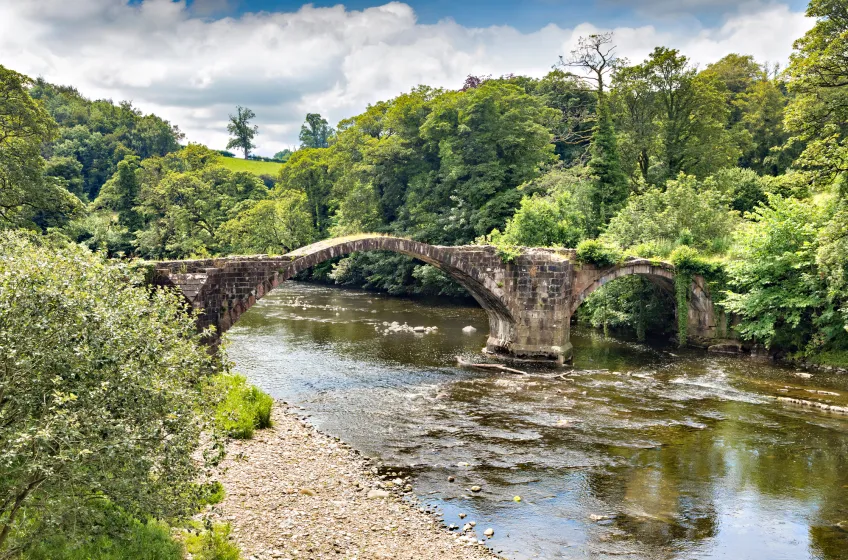
Why is the Forest of Bowland Worth a Visit?
The Forest of Bowland is worth visiting for its stunning natural beauty, rich biodiversity, and authentic rural charm. Unlike the more crowded national parks, Bowland offers vast open spaces with a true sense of remoteness. It’s one of the least populated parts of England, yet easily accessible from cities like Lancaster, Preston, and Manchester.
Bowland is also a haven for wildlife. The moorlands and valleys are home to rare birds such as hen harriers, curlews, and peregrine falcons, while its rivers and woodlands support otters, deer, and wildflowers. Add to this a scattering of peaceful villages, traditional pubs, ancient churches, and scenic drives, and you have a destination that combines raw natural beauty with timeless English character.
Whether you're tackling a windswept fell, enjoying a country tea room, or stargazing in one of the UK’s darkest skies, the Forest of Bowland is a place to truly unwind and reconnect with nature.
Forest of Bowland Highlights: Things to See and Do in the Forest of Bowland
Pendle Hill
Pendle Hill is arguably the most iconic landmark associated with Bowland. Though technically just outside the AONB boundary, it dominates the southern landscape and is intrinsically linked to the region’s identity. It’s a popular climb, offering panoramic views over Lancashire, the Yorkshire Dales, and even the Lake District on clear days. It’s also known for its connection to the infamous 1612 Pendle witch trials.
The Trough of Bowland
This spectacular mountain pass is one of the most scenic drives in England. Winding between Clitheroe and Lancaster, the Trough offers rugged hills, dramatic landscapes, babbling streams, and an overwhelming sense of peace. Stop for a walk, a photo, or a picnic, and enjoy the remote beauty of this timeless landscape.
Dunsop Bridge
Geographically recognised as the centre of the British Isles, Dunsop Bridge is a picturesque village and a popular base for walkers. The riverside walk from here to the Trough of Bowland follows the Hodder River and offers gentle, family-friendly walking. There’s also a charming tearoom and phone box declared the 100,000th installed by BT, commemorated by Sir Ranulph Fiennes.
Gisburn Forest
Gisburn Forest is Bowland’s largest woodland area and the main hub for mountain biking and adventure sports. It has a network of trails for walkers, cyclists, and horse riders, including purpose-built MTB routes of varying difficulty. The forest is also part of Bowland’s Dark Sky Discovery Site, making it excellent for stargazing.
Bowland Wild Boar Park
Located near Chipping, this family-friendly attraction allows visitors to meet wild boar, deer, wallabies, meerkats, and farm animals. There are woodland walks, tractor rides, picnic areas, and play zones, making it ideal for children and wildlife lovers alike.
The Bowland Fells
The central upland areas of Bowland include fells such as Ward’s Stone, Clougha Pike, and Wolfhole Crag. These remote moorland walks are for experienced hikers seeking solitude and spectacular views. Navigation skills and proper gear are essential, but the rewards include vast skies, distant horizons, and a true sense of wild England.
Chipping
One of the prettiest villages in Bowland, Chipping is full of charm with its stone cottages, medieval church, and three traditional pubs. Don’t miss the famous Chipping Farm Shop, which sells local produce, meats, and delicious baked goods. The village also offers several scenic walks and serves as a starting point for lowland rambles.
Slaidburn
Nestled beside the River Hodder, Slaidburn is a peaceful village with cobbled streets, a stone bridge, and a wonderful sense of stillness. It’s home to the Hark to Bounty Inn — a historic pub that once served as a local court. The village is a great base for walks into the upper Hodder Valley and beyond into the remote fells.
Newton-in-Bowland and Dunsop Valley
This less-visited section of the AONB is especially peaceful, with quiet lanes, dry stone walls, and grassy hills. Newton has a charming riverside pub, while the surrounding area is perfect for scenic drives and relaxed walking.
Beacon Fell Country Park
Located on the south-western edge of Bowland, Beacon Fell is a popular walking spot with waymarked trails, woodland paths, and panoramic views from the summit. There’s also a visitor centre, car park, and café. It’s an accessible area suitable for families and those seeking shorter, gentler walks.
Practical Advice for Visitors
Getting There
The Forest of Bowland is best accessed by car, as public transport is limited in its more remote areas. Major entry points include Clitheroe, Garstang, Lancaster, and Settle. From Manchester, the drive takes about 1.5 hours, and from Preston, it’s around 40 minutes. Trains run to Clitheroe and Lancaster, and buses connect some of the villages, though they can be infrequent.
Parking
Most villages and visitor sites have free or low-cost parking, though it can be limited in peak seasons. Car parks are available at Beacon Fell, Gisburn Forest, Dunsop Bridge, and Chipping. If you're heading into the fells, be sure to park responsibly, without blocking gates or narrow roads.
Dining
Bowland excels in traditional country dining. Try the Parkers Arms in Newton-in-Bowland — a nationally acclaimed gastropub with locally sourced menus — or the Inn at Whitewell, with stunning river views and hearty fare. Many villages have excellent pubs, such as the Assheton Arms in Downham and the Hark to Bounty in Slaidburn. Tea rooms and farm cafés can also be found in Chipping, Dunsop Bridge, and Waddington.
Shopping
While shopping isn’t a major draw, you’ll find excellent local produce at farm shops and delis. The Bowland Food Hall at Holmes Mill in Clitheroe and the Chipping Farm Shop are both worth a visit. Local specialities include Bowland cheese, Lancashire hotpot, and artisanal meats and pies.
When to Visit
Spring and early summer are wonderful for wildflowers, lambs in the fields, and clear walking conditions. Autumn offers golden colours and quieter trails, while winter, though harsher, brings snow-capped fells and crystal-clear skies for stargazing. Weather is highly changeable, so dress in layers and always check forecasts before setting out into the hills.
Local Events
While the area is not heavily commercialised, several events take place each year, including:
-
Bowland Dark Skies Festival (Feb/March): Celebrating the area’s low light pollution with guided night walks and astronomy sessions.
-
Clitheroe Food Festival (August): Though just outside the AONB, this is a great way to sample local produce.
-
Forest of Bowland Walking Festival (Spring & Autumn): Organised walks led by local guides.
Exploring Beyond the Forest
The Forest of Bowland is ideally placed for visiting other northern highlights. The Yorkshire Dales National Park is just to the east, while the Lake District lies about an hour to the north. Historic towns like Clitheroe, Settle, and Lancaster offer culture, history, and shopping. The coast at Morecambe Bay and Arnside is also within easy reach for a scenic change of pace.
Shortlist
- Your Shortlist is empty