
Discover Flamanville | A Visitor's Introduction to Flamanville
Flamanville is a small coastal commune located on the western edge of the Cotentin Peninsula in the Manche department of Normandy, France. Overlooking the English Channel and set against a rugged stretch of coastline, Flamanville is best known for its grand 17th-century château, dramatic granite cliffs, and maritime heritage. Although often bypassed en route to more prominent destinations, Flamanville is a hidden gem with striking scenery, historic architecture, and a peaceful, authentic atmosphere.
Recommended Flamanville Accommodation: Hotels Bed & Breakfasts
Why is Flamanville Worth a Visit?
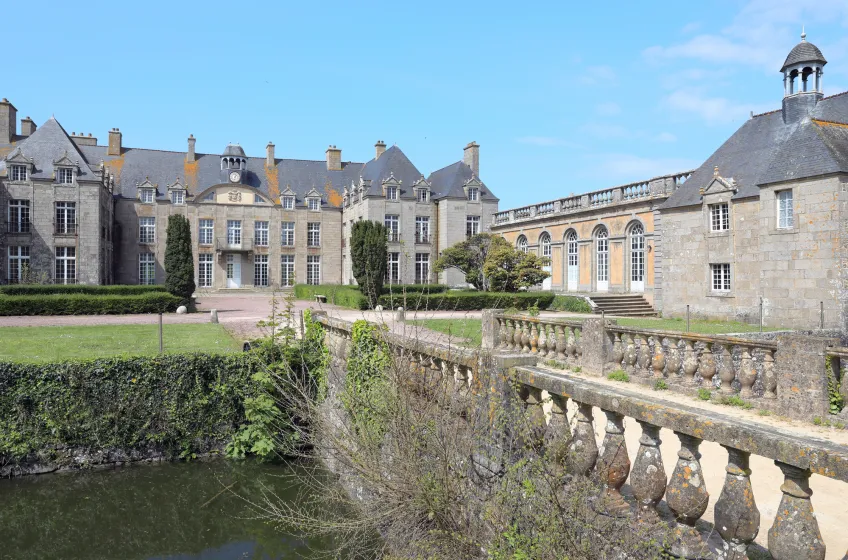
Flamanville is worth visiting for its blend of natural drama and historical elegance. The granite cliffs that rise above the sea offer spectacular views, while the village itself retains a strong Norman character. The highlight is undoubtedly the Château de Flamanville, a stately manor surrounded by landscaped gardens, woods, and lakes.
Beyond the château, Flamanville rewards visitors with uncrowded coastal paths, hidden coves, and access to Normandy’s stunning wild west coast. Whether you’re exploring inland on a country walk, photographing the windswept cliffs, or simply enjoying the tranquillity, Flamanville offers a unique and refreshing escape.
Flamanville Highlights: Things to See and Do in Flamanville
Château de Flamanville
Built in the 17th century from the same local granite that defines the coastline, the Château de Flamanville is an elegant manor house surrounded by formal gardens and parkland. Once a noble estate, it has been carefully restored and occasionally opens its interiors to the public during special events and heritage days. The château grounds are open year-round for walks, and the setting—with its lake, fountain, and ancient trees—is ideal for a peaceful afternoon.
Flamanville Cliffs and Coastal Path
The Sentier des Douaniers (customs officers’ path), part of the GR223 coastal trail, passes through Flamanville and offers some of the most scenic hiking on the Cotentin Peninsula. The granite cliffs here are steep and rugged, with panoramic views over the Channel. Walkers can follow the trail towards Sciotot Beach in one direction or towards Dielette and beyond in the other.
The coastal flora and birdlife, combined with the salty air and crashing waves below, make this one of the most exhilarating walks in Normandy.
Port Diélette
Just down the hill from Flamanville lies Port Diélette, a small but lively marina that once served the local granite industry and now welcomes pleasure boats and fishing vessels. In summer, the port is a pleasant place to relax with a drink or seafood meal, and ferries to Guernsey occasionally depart from here. It’s also a starting point for sailing excursions and coastal kayaking.
Granite and Maritime Heritage
Flamanville’s traditional identity is tied to granite quarrying and maritime life. The buildings throughout the commune, including the château and many village homes, are constructed from the region’s blue-grey granite. Walking through the village offers a close-up look at the sturdy, beautiful craftsmanship that defines the local architectural style.
Interpretive signs and plaques offer insights into Flamanville’s quarrying past and the evolution of its port and coastal defences.
Local Walks and Nature
In addition to the coastal path, Flamanville’s surrounding countryside is dotted with marked walking trails that lead through woods, fields, and past ancient stone walls. It’s a lovely area for cycling or relaxed rambling. The parc du château includes a variety of tree species and seasonal blooms, as well as small lakes and a children’s play area.
Practical Advice for Visitors
Getting There
Flamanville is best reached by car. It’s located about 30 minutes west of Cherbourg and just over 1 hour from Coutances or Barneville-Carteret. The nearest major train station is in Cherbourg, from which you can rent a car to explore the area more freely. Public transport is limited in this rural part of Normandy.
Parking
Free parking is available at the château, near the coastal path access points, and at Port Diélette. Even in high summer, parking is usually easy to find.
Dining
Dining options in Flamanville are limited but charming. L’Auberge du Port, down in Port Diélette, offers freshly caught fish, moules-frites, and traditional Norman dishes with sea views. In the village centre, small cafés and bakeries offer light lunches and regional pastries. More restaurants are available in nearby Les Pieux or along the coast towards Siouville and Barneville-Carteret.
Shopping
Flamanville is a quiet village with only a few local shops. You can find basic groceries, a bakery, and perhaps some local cider or Calvados. For more extensive shopping, head to Les Pieux or Cherbourg.
When to Visit
The best time to visit Flamanville is from late spring to early autumn (May–September), when the weather is mild and the cliffs are at their most dramatic. Autumn brings a moody beauty and excellent walking conditions, while summer offers the warmest weather and liveliest atmosphere at the port. Winter can be windy and quiet but very atmospheric—ideal for storm-watching and brisk walks.
Local Events
-
Journées du Patrimoine (September): During France’s heritage days, the château often opens its interior for guided tours.
-
Summer Concerts and Art Shows: Occasionally held at the château or port during July and August.
-
Village Festivals: Small-scale events featuring music, local food, and traditional games.
Exploring Beyond Flamanville
Flamanville makes a great base for exploring:
-
Cap de la Hague: A wild, dramatic headland with walking trails, moorland, and lighthouses (45 mins).
-
Barneville-Carteret: Seaside charm, long sandy beaches, and ferry access to the Channel Islands (30 mins).
-
Cherbourg: Maritime museums, shopping, and ferry connections to the UK and Channel Islands (30 mins).
-
Sciotot Beach: A stunning, uncrowded beach just 10 minutes away—great for swimming, walking, and surfing.
Shortlist
- Your Shortlist is empty