
Discover Fécamp | A Visitor's Introduction to Fécamp
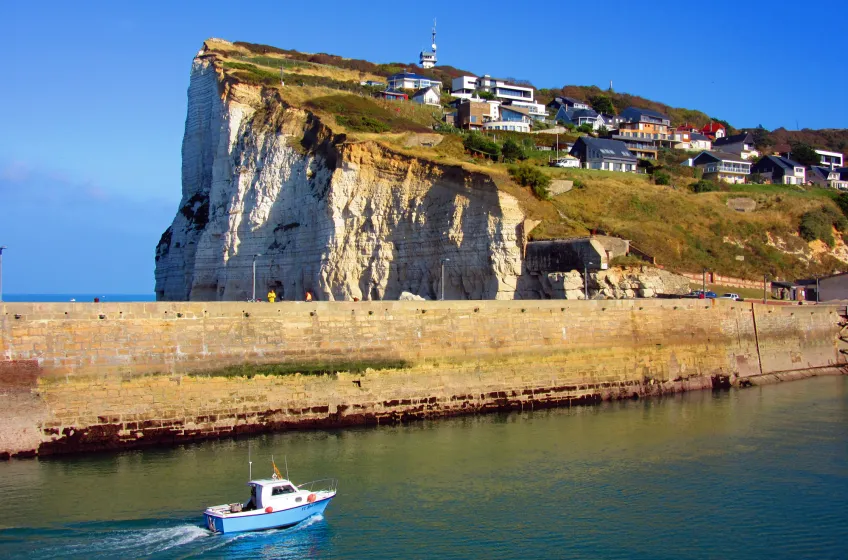
Fécamp is a captivating coastal town in the Seine-Maritime department of Normandy, nestled between the iconic white cliffs of the Alabaster Coast. With its rich maritime heritage, dramatic natural scenery, and cultural treasures, Fécamp offers an authentic Norman experience far from the crowds. Once a powerful ducal capital and a thriving fishing port, Fécamp today blends history, industry, and seaside relaxation in a uniquely atmospheric setting. It’s the perfect destination for those who love coastal walks, grand abbey architecture, fine seafood, and a taste of regional tradition.
Recommended Fécamp Accommodation: Hotels Bed & Breakfasts
Why is Fécamp Worth a Visit?
Fécamp is worth visiting for its compelling blend of coastal beauty, deep-rooted history, and maritime soul. It played a key role in the history of Normandy, once serving as the seat of the Dukes of Normandy and a pilgrimage site. Its legacy is reflected in the imposing Abbaye de la Sainte-Trinité and the haunting ruins of the Ducal Palace.
But Fécamp isn’t just about the past—it’s also a lively fishing port and the birthplace of the famed Bénédictine liqueur, giving visitors the chance to sample local flavours alongside stories of monks and monarchs. The town is framed by towering chalk cliffs that provide awe-inspiring coastal walks and a stunning backdrop to the pebble beach. Fécamp offers a real sense of place—unpretentious, proud of its heritage, and full of surprises.
Fécamp Highlights: Things to See and Do in Fécamp
Palais Bénédictine
This lavish neo-Gothic and Renaissance-style palace is one of Fécamp’s standout attractions. Built in the 19th century, it’s the home of Bénédictine liqueur, a herbal elixir invented by a local monk and revived by wine merchant Alexandre Le Grand. The palace houses a museum of religious art, an impressive collection of antique bottles, and an atmospheric distillery. The tasting room is a treat, and the entire experience is as eccentric as it is elegant.
Abbaye de la Sainte-Trinité
This immense Gothic abbey is both spiritually significant and architecturally stunning. Founded in the 7th century and rebuilt in the 12th, it contains the tombs of several Dukes of Normandy and features a strikingly tall nave, beautiful stained glass, and a historic organ. Entry is free, and the serene interior provides a welcome contrast to the town’s busy port.
Fécamp Harbour and Fishing Port
The working port of Fécamp is at the heart of the town’s identity. Once known for its cod-fishing fleets that ventured to Newfoundland, Fécamp’s maritime heritage is still palpable along the quays. Wander the harbour, watch the boats, and enjoy fresh seafood in one of the restaurants overlooking the docks. The daily rhythms of the port add an authenticity that’s hard to replicate.
Cap Fagnet
Towering above Fécamp, Cap Fagnet offers panoramic views of the town, the sea, and the cliffs of the Alabaster Coast. It’s the highest point on the Côte d'Albâtre and home to several World War II bunkers from the Atlantic Wall, now partially open to visitors. There’s also a chapel, Chapelle Notre-Dame-de-Salut, historically visited by fishermen before departing for sea. It’s an ideal spot for hiking, photography, or a peaceful picnic.
The Beach and Seafront Promenade
Fécamp’s wide pebble beach stretches along the foot of the cliffs and is backed by a promenade ideal for leisurely walks. The atmosphere here is relaxed and unpretentious—locals and visitors alike gather to enjoy the sea air, sunsets, and the sound of waves on pebbles. In summer, there are beach huts, cafés, and occasional festivals or open-air concerts.
Musée des Pêcheries
This beautifully converted former cod-drying warehouse now houses Fécamp’s main museum. Spread over several floors, it tells the story of the town’s fishing industry, seafaring life, art, and local traditions. The top floor offers a spectacular view of the port and sea. It’s an excellent museum for families and anyone curious about coastal heritage.
Town Centre and Market
Fécamp’s town centre has a mix of medieval lanes, 19th-century buildings, and charming shops. The Saturday market is particularly lively, with fresh fish, Norman cheeses, cider, and local crafts. Stop at a boulangerie for warm bread, or visit a fromagerie for a wedge of Neufchâtel.
Heritage Walking Trails
There are several marked walking routes in and around Fécamp, including circuits that take you past historical sites, through the town’s green spaces, and along the cliffs. The GR21 long-distance hiking trail passes through the town and provides excellent walking opportunities both east to Étretat and west toward Saint-Pierre-en-Port.
Practical Advice for Visitors
Getting There
Fécamp is easily accessible by car, about 45 minutes from Le Havre and 2.5 hours from Paris. There is a train station in Fécamp, with regional trains from Le Havre and Rouen via Bréauté-Beuzeville. Driving gives you the most flexibility, especially if you plan to explore the surrounding cliffs and countryside.
Parking
There are several free and paid parking areas near the harbour, town centre, and seafront. During summer weekends, it’s best to arrive early to find a spot, especially near popular sites like Cap Fagnet or the beach.
Dining
Fécamp is known for its seafood—scallops, sole, mussels, and herring are all local specialities. Try Le Vicomté for an elegant meal with sea views, or Le Daniel’s for traditional fare with generous portions. Don’t miss the chance to try marmite dieppoise, a creamy Norman seafood stew. Local cider and Bénédictine cocktails are widely served in bars and restaurants.
Shopping
Local shops and the market offer excellent opportunities to pick up Normandy products—cheeses, cider, apple brandy (Calvados), salted butter caramels, and handmade goods. The boutique at the Palais Bénédictine sells liqueur, artisanal chocolates, and stylish souvenirs.
When to Visit
The best time to visit Fécamp is from May to September, when the weather is mild and the cliffs and countryside are at their greenest. July and August are the busiest months, with festivals and events bringing extra buzz to the town. Spring and autumn offer fewer crowds and excellent walking weather. Winter is quiet but atmospheric, especially with stormy seas and cosy cafés.
Local Events
Fécamp hosts several unique festivals throughout the year. The Fête de la Mer celebrates the town’s maritime traditions with boat processions, music, and seafood feasts. The Fête du Hareng (Herring Festival) in November is a lively tribute to the humble herring, with grilling stalls, tastings, and folk music. Summer concerts and temporary art installations often take place along the seafront and at the Palais Bénédictine.
Exploring Beyond Fécamp
From Fécamp, it’s an easy drive to Étretat (30 minutes), where you can admire the world-famous sea cliffs and arches. Yport, a smaller and quieter seaside village, lies just 10 minutes to the east and offers a more intimate beach experience. Inland, the Pays de Caux countryside reveals rolling farmland, timber-framed farmhouses, and peaceful rural roads ideal for cycling.
Shortlist
- Your Shortlist is empty