
Discover Eure | A Visitor's Introduction to Eure
Recommended places to visit, places to stay and things to do in Eure
The Eure department is one of Normandy's most scenic and culturally rich regions, located in the north of France between Paris and the English Channel. Named after the river that runs through it, Eure is a tapestry of lush countryside, historic towns, serene waterways, and grand estates. While often overshadowed by its more famous neighbours like Calvados or Seine-Maritime, Eure offers a tranquil, authentic experience with plenty to explore—from Monet’s gardens in Giverny to medieval castles and charming half-timbered villages.
Perfect for art lovers, garden enthusiasts, history buffs, and those seeking rural peace with a touch of elegance, Eure is Normandy at its most refined and pastoral.
Recommended Eure Accommodation: All Hotels 4&5 Star Luxury Hotels Chateau Hotels Budget Hotels Family-Friendly Hotels Boutique Hotels Spa & Wellness Hotels Bed & Breakfasts Auberges

Why is Eure Worth a Visit?
Eure is worth visiting for its stunning landscapes, heritage architecture, and artistic connections—especially to the Impressionist movement. The region has long inspired painters, poets, and travellers seeking beauty and calm. With its location just an hour from Paris, it's easily accessible yet far enough off the beaten track to feel undiscovered.
In Eure, you can wander through blooming gardens that once inspired Claude Monet, explore quaint towns with timber-framed houses, visit castles and abbeys steeped in history, and enjoy outdoor activities along its peaceful rivers and forest trails. The local cuisine, markets, and welcoming atmosphere round out the appeal, making Eure an ideal destination for a relaxed and cultured escape.
Eure Highlights: Things to See and Do in Eure
Giverny and Monet’s House & Gardens
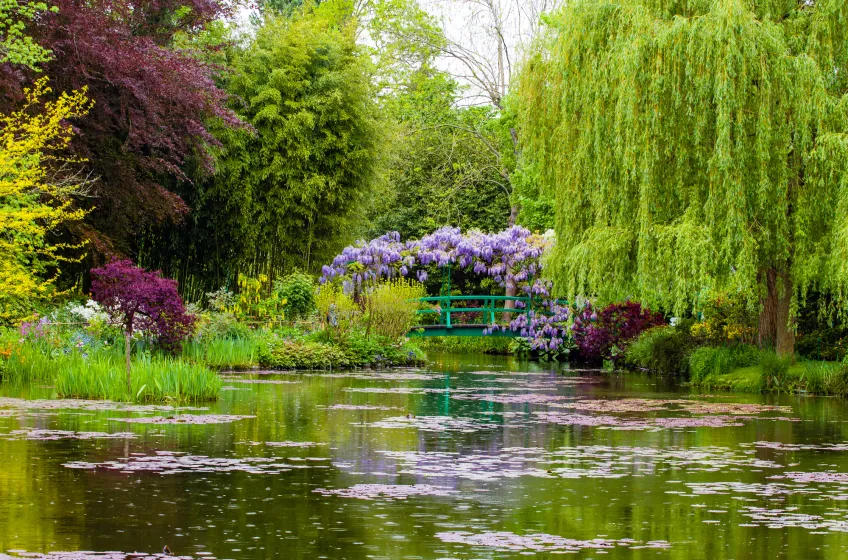
The village of Giverny is one of the jewels of Eure and a global pilgrimage site for art lovers. It was here that Claude Monet lived and painted his famous water lilies and Japanese bridge. The Fondation Claude Monet allows you to tour his restored home, filled with Japanese prints and personal artefacts, and the stunning gardens that look like they’ve stepped out of a painting. Visit in spring or early summer for peak blooms.
Château Gaillard in Les Andelys
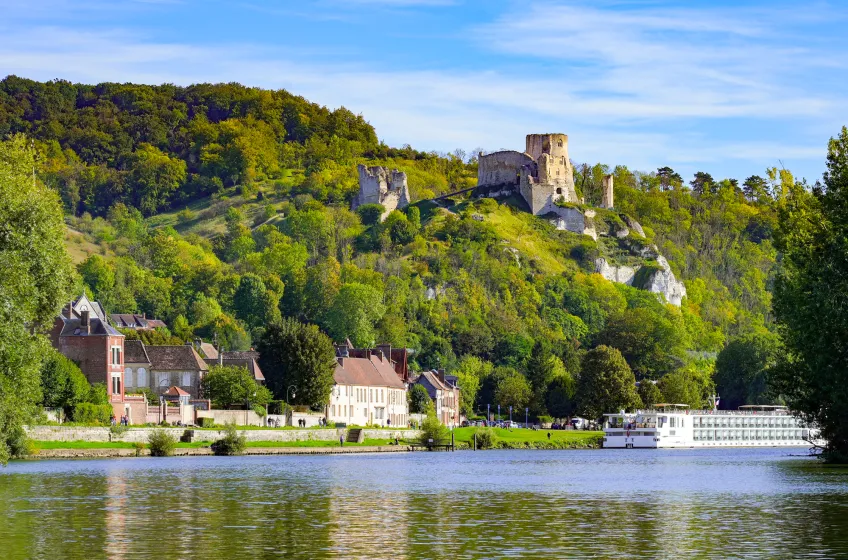
This dramatic medieval fortress was built by Richard the Lionheart in the late 12th century to defend Normandy from the French crown. Perched high above the Seine River and the village of Les Andelys, Château Gaillard offers incredible views and a powerful sense of history. You can explore the ruins, walk the defensive walls, and learn about its turbulent past in interpretive displays.
The Town of Vernon
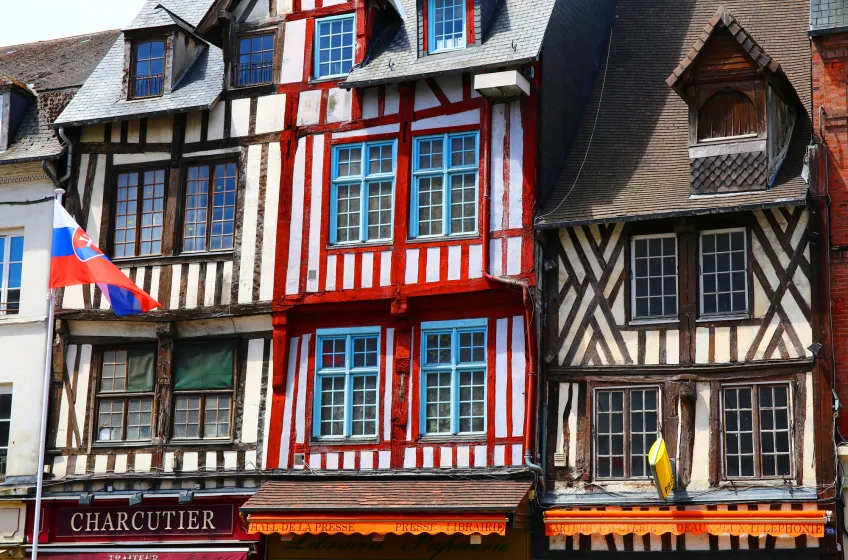
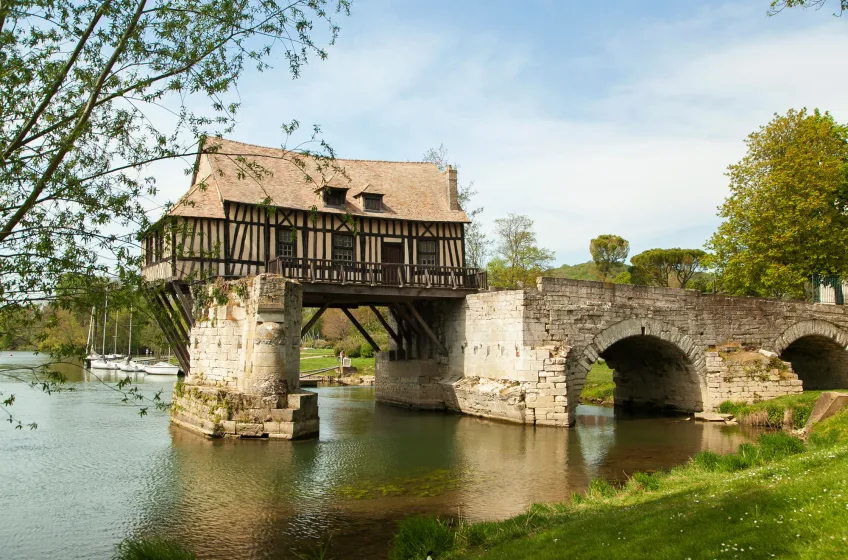
Just downriver from Giverny, Vernon is a charming riverside town with a scenic mix of old-world architecture and artistic flair. Its half-timbered houses, Gothic church, and riverside walkways are perfect for a quiet afternoon stroll. Don’t miss the quaint old mill on the bridge or the local museum, which includes works by Monet and other Impressionists.
Château de Bizy
Located on the outskirts of Vernon, the Château de Bizy is sometimes called the "Versailles of Normandy" thanks to its grand design and elegant gardens. Once a royal residence, the château now offers guided tours of its rooms and stables, as well as access to landscaped grounds with fountains and mature trees.
Évreux – Eure’s Capital
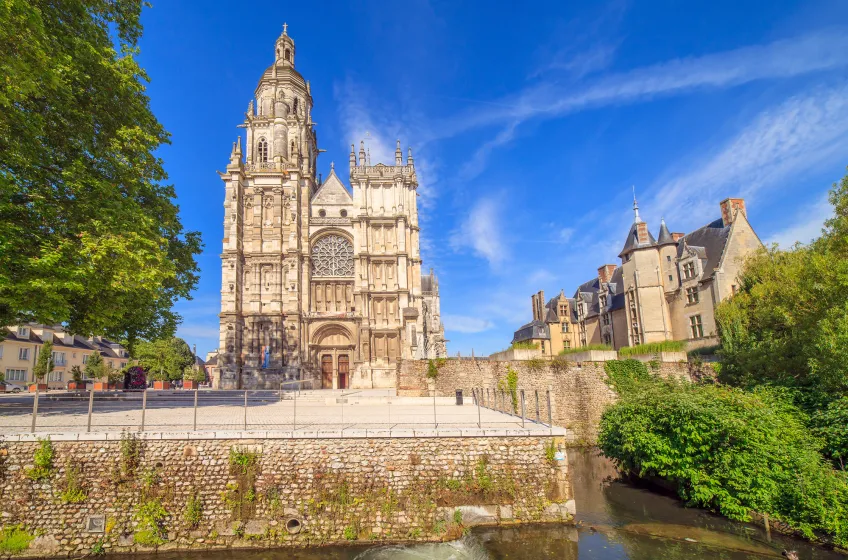
Évreux is the administrative and cultural centre of the department, offering a mix of history, shopping, and local life. The impressive Gothic cathedral, with its ornate façade and stained glass, dominates the town centre. Nearby, the Musée d'Évreux showcases regional archaeology, art, and history. The town also has a lively market and good selection of restaurants and boutiques.
Abbey of Bec-Hellouin
This Benedictine abbey is one of the most beautiful monastic sites in Normandy. Located in a peaceful village surrounded by forests and farmland, the Abbey of Bec-Hellouin has a long spiritual and scholarly history. Today, it's home to a small community of monks and offers guided tours of its elegant cloisters and abbey church. The surrounding village, with its flower-bedecked cottages and quiet charm, is well worth a wander.
Lyons-la-Forêt
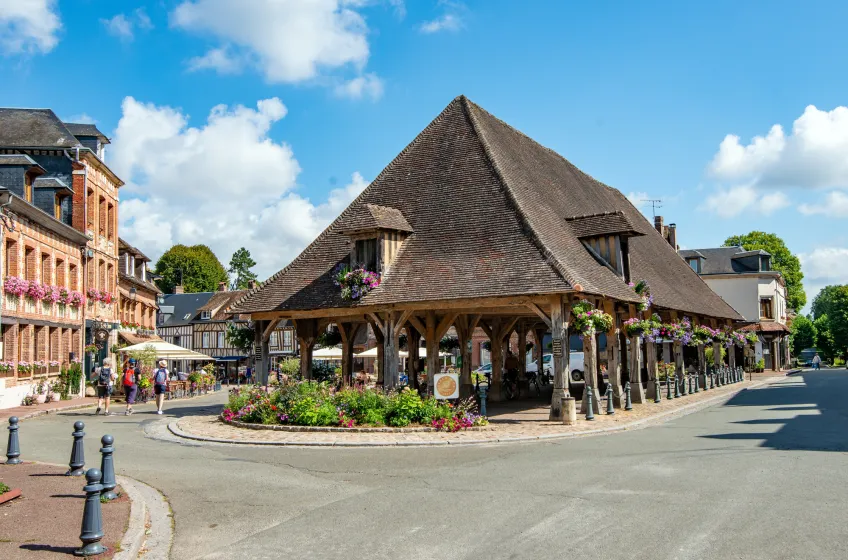
One of France’s officially designated "Most Beautiful Villages," Lyons-la-Forêt is a postcard-perfect spot surrounded by the dense Lyons Forest. The village features a central market hall, cobbled lanes, and pastel-painted houses with flowering window boxes. It's a great place for a long lunch, an antique browse, or a base for forest walks and bike rides.
Harcourt Arboretum and Castle
This unique site combines medieval history with botanical splendour. The Château d’Harcourt is a well-preserved fortress, surrounded by one of France’s oldest arboretums. It’s a peaceful and educational outing, especially for plant lovers and families. The castle grounds offer seasonal events, workshops, and plenty of shady spots for a picnic.
Château du Champ de Bataille
This opulent 17th-century château, restored by designer Jacques Garcia, features stunning formal gardens inspired by Versailles. The interiors are lavishly decorated, and the grounds include water features, pavilions, and manicured lawns. It’s a hidden gem of French aristocratic architecture and a dream for anyone with an interest in grand design.
Seine River Valley Drives and Cycling
The Seine carves a gentle, picturesque route through Eure, creating scenic loops and meanders perfect for slow travel. Whether you’re driving, cycling, or walking, the riverbanks are lined with quaint towns, vineyards, and chalk cliffs. The Voie Verte (Green Way) cycle routes make it easy to explore the area safely and enjoyably.
Practical Advice for Visitors
Getting There
Eure is easily accessible by train or car. From Paris, trains run from Gare Saint-Lazare to Vernon-Giverny and Évreux in about 45–60 minutes. If you’re driving, the A13 motorway connects Paris to Eure’s main towns in around 1.5 hours. Local buses and bike hire are available in larger towns, but a car is the best way to explore the rural and riverside areas fully.
Parking
Most towns and tourist sites in Eure offer ample parking, often free or modestly priced. During the busy summer months, car parks at popular spots like Giverny can fill up quickly, so plan to arrive early, especially on weekends and public holidays.
Dining
Eure’s cuisine is deeply rooted in Norman tradition—expect rich cream sauces, tender meats, fresh apples, cheeses (like Camembert and Pont-l’Évêque), and of course, cider and Calvados. Local restaurants range from fine dining establishments in châteaux to family-run bistros and cosy cafés. In Giverny, Le Jardin des Plumes offers gourmet dining in a romantic setting. In Évreux, Le Cadran is a favourite for refined French dishes with local flair.
Shopping
Markets are held weekly in most towns and are excellent places to pick up local produce, cheese, cider, and crafts. Vernon and Évreux have larger town centres with fashion boutiques, bookstores, and delicatessens. In smaller villages, look out for pottery, linen, and handmade soaps. Artisan food products and art prints related to Monet are popular souvenirs.
When to Visit
Spring and early summer (April to June) are ideal for visiting Eure, especially for garden lovers—this is when Giverny and the countryside are in full bloom. Autumn (September–October) is also beautiful, with harvest colours and fewer crowds. July and August are busier but still manageable. Winters are quiet, and while some gardens and attractions may be closed or operate reduced hours, it’s a peaceful time to enjoy Eure’s towns and countryside without the crowds.
Local Events
Eure hosts a range of seasonal festivals and cultural events. The Normandie Impressionniste Festival, held every few years, brings exhibitions and events to Giverny and Vernon. Local food and cider festivals occur throughout the autumn, and Christmas markets brighten up towns like Évreux in December. Check local tourism websites for current event calendars.
Exploring Beyond Eure
Eure is perfectly located for exploring wider Normandy. To the west, the Calvados department offers D-Day beaches, Bayeux, and Caen. To the north, the Seine-Maritime department leads to Rouen and the Alabaster Coast. Paris is an easy day trip or onward destination, making Eure an ideal base for a longer regional holiday.
Shortlist
- Your Shortlist is empty