
Discover Eu | A Visitor's Introduction to Eu
Eu is a small yet historically significant town located in the Seine-Maritime department of Normandy, France, just inland from the Channel coast and neighbouring the popular seaside resort of Le Tréport. Nestled between forested hills and the Bresle river, Eu combines royal heritage, religious splendour, and a peaceful small-town charm that makes it a fascinating stop for those exploring northern Normandy. With its elegant château, impressive Gothic church, and scenic surroundings, Eu is ideal for history lovers, architecture enthusiasts, and travellers seeking a quiet cultural escape.
Recommended Eu Accommodation: Hotels Bed & Breakfasts
Why is Eu Worth a Visit?
Eu is worth visiting for its exceptional royal and religious heritage in a tranquil setting. Once the favoured residence of French monarchs and English royalty in exile, Eu retains an air of dignity and grandeur while remaining accessible and welcoming. The town’s centrepiece—the Château d’Eu—was the summer home of King Louis-Philippe and Queen Victoria’s host in 1843 and 1845, marking an important step in Anglo-French relations.
Aside from its historical significance, Eu offers beautiful green spaces, well-preserved architecture, and easy access to both countryside and coast. It’s the perfect companion destination to Le Tréport and Mers-les-Bains, offering a contrast between seaside bustle and aristocratic calm. Whether you’re following the royal trail or simply enjoying Normandy’s quiet corners, Eu is a delightful and often overlooked destination.
Eu Highlights: Things to See and Do in Eu
Château d’Eu
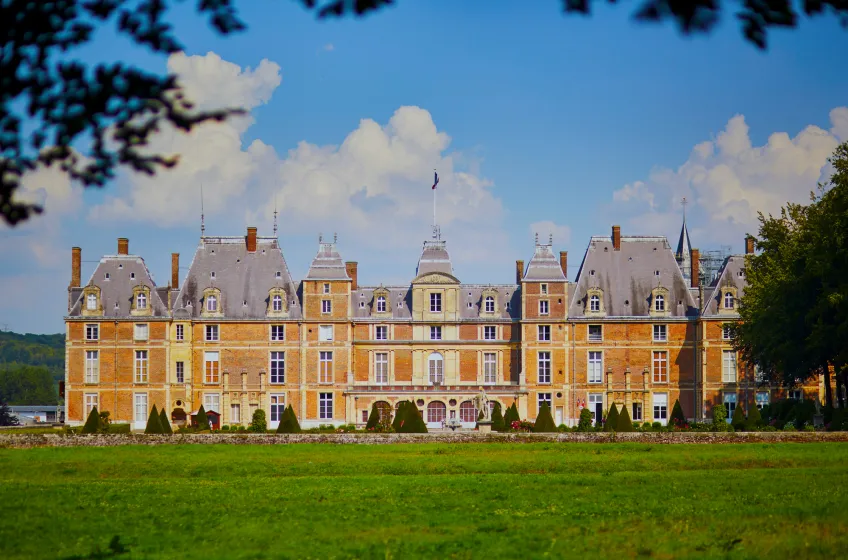
The town’s most prominent attraction, the Château d’Eu is a striking red-brick and stone residence built in the 16th and 17th centuries. Most famously, it served as the summer home of King Louis-Philippe I and hosted Queen Victoria during her diplomatic visits. Today, it houses the Musée Louis-Philippe, where you can explore period rooms, royal portraits, and displays on Franco-British relations. The château is set within beautifully maintained gardens, perfect for a leisurely stroll.
Collégiale Notre-Dame et Saint-Laurent
This impressive Gothic church dominates Eu’s skyline and is often referred to as the cathedral that never was due to its grand scale and rich decoration. Construction began in the 12th century and continued over several centuries, resulting in a harmonious blend of architectural styles. The interior is awe-inspiring, with soaring vaulted ceilings, intricate stained glass, and the tomb of Saint Laurence O'Toole, the patron saint of Dublin, who died in Eu in 1180.
The Town Centre and Historic Streets
Eu’s old town is a delight to explore on foot. Cobblestone streets, timber-framed houses, and old stone buildings hint at its long and layered history. Don’t miss Rue Jeanne d’Arc and Rue de l’Yser for quaint shops, cafés, and quiet corners that feel unchanged by time.
Chapelle du Collège des Jésuites
Tucked away from the main square, this 17th-century Jesuit chapel features beautiful wood carvings, a fine altarpiece, and a serene atmosphere. It reflects the town's religious significance during the Counter-Reformation and is sometimes used for concerts and cultural events.
La Grotte de Saint-Laurent
Near the church, this small shrine commemorates Saint Laurence O'Toole. A peaceful spot for reflection, it also offers a unique look at the town’s ties to Irish religious history.
Parc et Jardin du Château
The château gardens offer manicured lawns, wooded paths, and views of the surrounding countryside. It’s a lovely place to picnic or rest after touring the château. In summer, open-air concerts and events are occasionally held here.
Musée Tradition d'Eu
Located in the town’s former prison, this local museum explores the traditional life of Eu through displays of tools, costumes, and household items from the 19th and early 20th centuries. It’s a charming and informative stop for those interested in the everyday history of the region.
Forest of Eu (Forêt d’Eu)
Just outside the town lies the vast Forêt d’Eu, one of Normandy’s largest woodland areas. With hundreds of kilometres of walking, cycling, and riding paths, it’s an excellent destination for outdoor enthusiasts. In autumn, the forest is ablaze with colour and ideal for mushroom picking or quiet hikes.
Practical Advice for Visitors
Getting There
Eu is accessible by car and rail. From Paris, it’s about a 2.5-hour drive via the A16. There’s also a train station at Eu, with connections from Beauvais and Amiens, and links to Le Tréport and Mers-les-Bains. The area is easily explored by bike or car, especially if you want to venture into the countryside or forest.
Parking
Parking in Eu is easy and free in most areas, including near the château, the town centre, and the church. During weekends and summer holidays, spaces near the main attractions can fill up, so arrive early if visiting during a busy period.
Dining
Eu offers a small but good selection of restaurants and cafés. For traditional Norman fare, Le Brunch Café serves hearty lunches and desserts. La Table de Paul et Adèle offers refined French cuisine in a warm, elegant setting. Seafood lovers can also head to nearby Le Tréport, just 5 minutes away, for harbour-side dining with fresh catches from the Channel.
Shopping
The town has a few independent shops selling local specialities, souvenirs, and crafts. Visit the weekly market (usually held on Fridays) for fresh produce, cheese, bread, and cider. For more shopping options, Le Tréport and Mers-les-Bains offer larger markets and seaside boutiques.
When to Visit
The best time to visit Eu is between late spring and early autumn. May to September offers pleasant weather for exploring the gardens, forests, and nearby coast. Summer weekends are busiest, especially when paired with Le Tréport and Mers-les-Bains. The autumn colours in the Forêt d’Eu are stunning, and the winter months are quiet, offering a peaceful retreat for history lovers.
Local Events
Eu hosts several cultural events throughout the year, including classical concerts in the church and château gardens, historical reenactments, and open days at the château. Summer often brings outdoor cinema nights and garden festivals. In December, Eu joins neighbouring towns in festive Christmas markets and lights.
Exploring Beyond Eu
From Eu, you can easily explore the charming resort of Le Tréport, with its cliffside funicular, seafood restaurants, and pebble beach. Mers-les-Bains offers Belle Époque architecture and colourful seafront villas. The Chemin des Douaniers coastal path provides walking routes with beautiful sea views. Inland, the Pays de Bray region offers rolling hills, apple orchards, and picturesque villages worth a day trip.
Shortlist
- Your Shortlist is empty