
Discover East Devon | A Visitor's Introduction to East Devon
Get expert advice and recommendations for places to visit and things to do in East Devon
East Devon, stretching along the Jurassic Coast and inland to rolling countryside, is a region of charming villages, historic towns, and stunning coastal scenery. This Area of Outstanding Natural Beauty (AONB) offers a perfect blend of seaside escapes, walking trails, and cultural heritage, making it one of the most diverse and beautiful corners of Devon. From the vibrant town of Sidmouth to the historic charm of Honiton and the quaint fishing villages of Beer and Branscombe, East Devon promises natural beauty, local craftsmanship, and a touch of nostalgia.
Whether you're exploring fossil-filled cliffs, relaxing on sandy beaches, or enjoying locally sourced food in one of the many gastropubs, East Devon is an ideal destination for families, hikers, and history buffs alike.
Recommended East Devon Accommodation: Hotels Bed & Breakfasts Pub Accommodation
Pre-book Attractions, Tours & Experiences throughout Devon
Why is East Devon Worth a Visit?
East Devon is a haven for nature lovers and beachgoers. Its coastline forms part of the Jurassic Coast, a UNESCO World Heritage Site famous for its prehistoric fossils and dramatic cliffs. Inland, visitors can explore idyllic countryside, woodlands, and historical market towns that feel like stepping back in time. The combination of heritage, coastal landscapes, and outdoor activities makes East Devon a year-round destination.
The region’s mix of seaside towns, peaceful villages, and family-friendly attractions ensures something for everyone, from lazy beach days to hiking trails and historic sites.
East Devon Highlights: Things to See and Do in East Devon
1. Jurassic Coast and Sidmouth
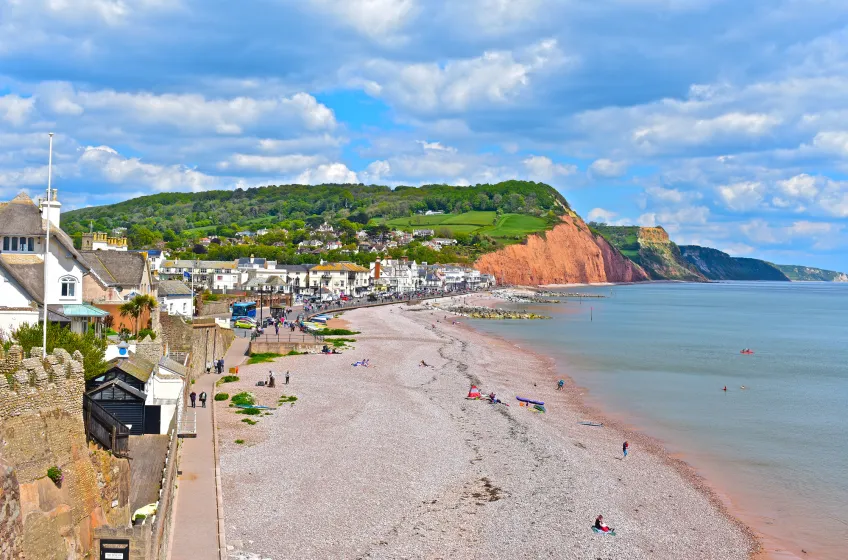
Sidmouth is one of East Devon’s best-known seaside towns, sitting proudly along the Jurassic Coast. The town boasts red sandstone cliffs, a pebble beach, and charming Regency architecture. Walkers can enjoy the South West Coast Path, which runs through the town, offering stunning views from Peak Hill and Ladram Bay, famous for its sea stacks.
Sidmouth’s Donkey Sanctuary is a must-visit, providing a heartwarming experience for families and animal lovers. The town also hosts the annual Sidmouth Folk Festival, a celebration of music and dance.
2. Beer
The picturesque fishing village of Beer is tucked into a natural cove, known for its white chalk cliffs and quaint harbour. Visitors can enjoy a day on the pebble beach, explore the Beer Quarry Caves, or take a boat trip along the coast. Beer retains much of its old-world charm, with fishermen’s cottages, art galleries, and pubs serving fresh seafood.
3. Branscombe
A short distance from Beer, Branscombe is one of the oldest villages in England. Its winding lanes, thatched cottages, and flower-filled gardens make it an enchanting place to visit. The Branscombe Forge and Bakery, part of the National Trust, offers a glimpse into the village’s heritage. Visitors can also take a walk down to Branscombe Beach, a quiet stretch of the Jurassic Coast.
4. Lyme Regis
Just over the Devon border into Dorset, Lyme Regis is famed for its fossil hunting, cobb harbour, and historic charm. Visitors can walk the beachfront promenade, hunt for fossils, or explore independent shops and seafood restaurants. Lyme Regis is also known for its arts scene and hosts a variety of festivals and events throughout the year.
5. Honiton
Honiton, known as the antiques capital of the South West, is a historic market town famous for its lace-making and ceramics. Stroll through the town’s high street, filled with antique shops, galleries, and tea rooms. The Allhallows Museum of Lace and Local Antiquities showcases the town’s famous lace industry, which dates back to the 17th century.
Honiton also provides easy access to Blackdown Hills, an AONB offering stunning countryside and walking trails.
6. Budleigh Salterton
A peaceful and elegant seaside town, Budleigh Salterton offers a stretch of pebble beach framed by the dramatic cliffs of the Jurassic Coast. The town’s Otter Estuary is a haven for birdwatchers and nature lovers, while the River Otter Trail provides gentle walking routes through beautiful surroundings. Budleigh Salterton is also home to the Fairlynch Museum, which offers insight into the area’s history.
7. Exmouth
Exmouth is one of Devon’s largest coastal towns, known for its golden sands and water sports. The town marks the start of the Jurassic Coast and offers excellent opportunities for kayaking, windsurfing, and paddleboarding. Exmouth’s Marina and Seafront provide lively places to eat and drink, while the nearby Exmouth to Lympstone Trail is perfect for walking or cycling along the estuary.
8. Seaton and the Seaton Tramway
Seaton is a charming coastal town known for its shingle beach and Wetlands Nature Reserve. One of Seaton’s highlights is the Seaton Tramway, a narrow-gauge heritage railway that runs through the Axe Valley Wetlands, offering fantastic views of local wildlife. Seaton also sits along the Jurassic Coast, with plenty of cliff-top walks and opportunities for fossil hunting.
9. Ottery St Mary
Best known for its Flaming Tar Barrels Festival in November, Ottery St Mary is a historic town on the banks of the River Otter. The town’s parish church is a miniature replica of Exeter Cathedral, and its surrounding countryside offers beautiful walks along the river. Ottery’s quaint streets are filled with boutiques, tearooms, and local delis.
10. Colyton and the Axe Valley
The historic town of Colyton is known as the most rebellious town in Devon due to its involvement in the Monmouth Rebellion. Today, it is a peaceful and picturesque place to visit, with cobbled streets and medieval architecture. The town is a gateway to the Axe Valley Wetlands, a rich wildlife reserve perfect for birdwatching and walking.
Practical Advice for Visitors
Getting There
East Devon is well connected by road, with the A30 and A35 providing routes from Exeter, Honiton, and beyond. Exeter St David’s Railway Station offers services to towns such as Axminster and Exmouth, while bus routes connect smaller villages. Exeter Airport also provides convenient access to the region.
Parking
Most towns and villages in East Devon offer public car parks near beaches and town centres. Coastal hotspots like Sidmouth, Exmouth, and Seaton can get busy during summer, so early arrival is recommended.
Dining
East Devon boasts seaside cafés, traditional pubs, and fine dining restaurants. Fresh seafood is a highlight, with local favourites including The Masons Arms in Branscombe and River Exe Café, a floating restaurant in Exmouth. Cream teas, local cheeses, and cider are also must-tries.
Best Time to Visit
The best time to visit East Devon is during spring and summer (April to September) when the weather is ideal for coastal walks, beach days, and outdoor activities. Autumn offers stunning foliage in the countryside, while winter sees quieter villages and dramatic coastal views.
Exploring Beyond East Devon
From East Devon, visitors can easily explore Dartmoor, Exeter, and the English Riviera. The nearby counties of Dorset and Somerset offer even more opportunities for coastal adventures and historic discoveries.
Shortlist
- Your Shortlist is empty