
Discover Dyfed | A Visitor's Introduction to Dyfed
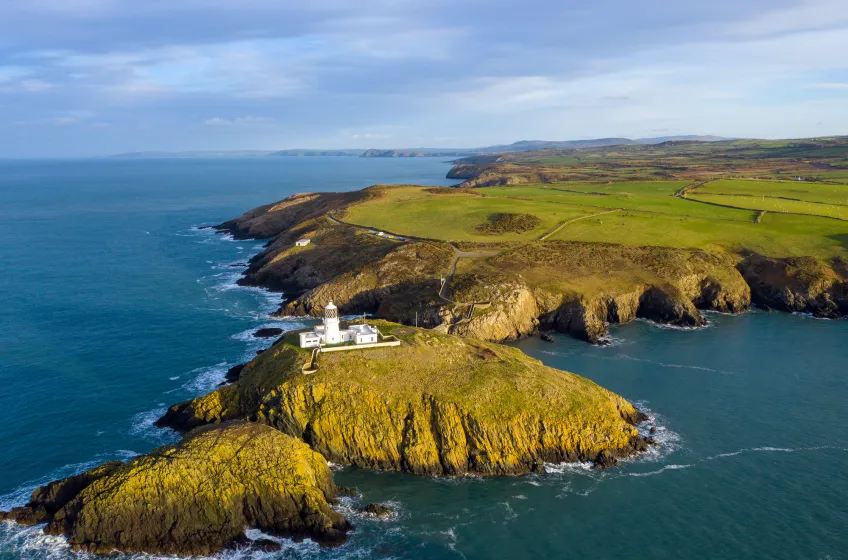
Dyfed is a preserved county and former administrative region in southwest Wales, made up of three historic counties: Carmarthenshire, Ceredigion, and Pembrokeshire. Though it no longer functions as a single administrative unit, the name "Dyfed" is still used for ceremonial purposes and by some organisations, and it remains a convenient way to describe this beautiful corner of Wales. Dyfed is a land of rich contrasts—stretching from the rugged Cambrian Mountains in the north to the pristine beaches of Pembrokeshire in the south, and featuring everything from medieval castles and quaint market towns to wild coastline and ancient woodlands.
Recommended Dyfed Accommodation: Hotels Bed & Breakfasts Pub Accommodation
Why is Dyfed Worth a Visit?
Dyfed is worth visiting for its exceptional diversity. You can walk on golden beaches one day, hike through remote moorlands the next, and spend evenings dining in charming towns where Welsh is still commonly spoken. The region includes two national parks—the Pembrokeshire Coast National Park and a portion of the Brecon Beacons (now Bannau Brycheiniog)—and some of the most dramatic and least spoilt scenery in the UK.
Each of Dyfed’s component counties brings something special to the table. Pembrokeshire is world-famous for its coastal path and beaches, Carmarthenshire is the historic heartland with castles and lush river valleys, while Ceredigion offers a more off-the-beaten-track experience with its seaside villages and hilly inland terrain.
Add to this a deep-rooted culture, a thriving arts scene, delicious local food, and countless outdoor adventures, and Dyfed becomes an unforgettable destination for anyone keen to explore Wales at its most genuine and breathtaking.
Dyfed Highlights: Things to See and Do in Dyfed
Pembrokeshire Coast Path
Stretching for 186 miles, this national trail is arguably one of the best coastal walks in Europe. It winds through the Pembrokeshire Coast National Park, taking in towering sea cliffs, sandy coves, and dramatic headlands. Highlights include the Blue Lagoon at Abereiddy, the dramatic rocks of Stackpole, and the colourful harbour town of Tenby. Whether you're doing the full route or dipping into a section for a day walk, it’s a must-do for walkers and nature lovers.
Tenby
Tenby is Pembrokeshire’s jewel in the crown—a walled seaside town with pastel-coloured buildings, a historic harbour, and four stunning beaches. There are boat trips to Caldey Island, home to a working Cistercian monastery, as well as plenty of cafés, shops, and ice cream parlours. Tenby is especially popular in summer but maintains its charm year-round.
Aberystwyth
The lively university town of Aberystwyth, in Ceredigion, is a cultural and historical centre, offering Victorian architecture, a long seafront promenade, and access to the Vale of Rheidol Railway and Devil’s Bridge Falls. It's also home to the National Library of Wales, housing priceless Welsh manuscripts and fascinating exhibitions.
St Davids
Despite its tiny population, St Davids holds city status and is one of the holiest sites in Wales. The magnificent St Davids Cathedral is a pilgrimage site, and the nearby ruins of Bishop’s Palace add to its grandeur. Just a short drive away, you’ll find Whitesands Bay, a favourite for surfers, and Ramsey Island, a nature reserve famed for birdlife and boat tours.
Laugharne
Famous for its connection to Dylan Thomas, Laugharne is a poetic little town on the Carmarthenshire coast. You can visit the Dylan Thomas Boathouse, where the writer lived and worked, and explore the ruins of Laugharne Castle overlooking the estuary. The town’s timeless atmosphere makes it a great place for quiet contemplation.
Castell Henllys Iron Age Village
This unique site in Pembrokeshire allows visitors to step back into the Iron Age with reconstructed roundhouses built on their original foundations. Costumed interpreters and educational activities bring ancient Welsh history to life in an engaging way for all ages.
Mwnt Beach
Located in Ceredigion near Cardigan, Mwnt is a small, sandy cove with crystal-clear waters and a peaceful, spiritual vibe. The whitewashed church overlooking the beach adds to the atmosphere, and the headland is an excellent spot for dolphin spotting in summer.
Dinefwr Castle and Park
In Carmarthenshire, Dinefwr is a magical mix of nature and history. The ruined castle offers sweeping views over the Towy Valley, and the surrounding parkland is home to deer, ancient trees, and the grand Newton House. It’s a fantastic place for a walk, picnic, or photography session.
Cardigan and the Teifi Estuary
Cardigan is a historic market town with a restored castle and a thriving arts and food scene. The Teifi River flows nearby, offering kayaking, fishing, and nature watching opportunities. Don’t miss a trip to Cilgerran Castle, perched above the river gorge.
Aberglasney Gardens and National Botanic Garden of Wales
Both located in Carmarthenshire, Aberglasney is a beautifully restored historic garden with cloister walks and woodlands, while the National Botanic Garden near Llanarthne features a vast glasshouse, themed gardens, and seasonal events. Both are wonderful for plant lovers and families.
Castell Carreg Cennen
Dramatically perched on a limestone outcrop, Carreg Cennen Castle is one of Wales's most atmospheric ruins. Located near Llandeilo, the castle is famous for its cave beneath the keep and its unmatched views of the surrounding landscape. A bit of a climb to reach, but well worth the effort.
New Quay and Dolphin Watching
New Quay, in Ceredigion, is a traditional seaside town famous for its resident bottlenose dolphins. Boat trips leave daily from the harbour in summer, and there’s a lovely stretch of sandy beach to enjoy too. The Dylan Thomas Trail also runs through the town, which inspired much of his work.
Preseli Hills
These wild, rolling hills in Pembrokeshire are not only great for walking—they’re also steeped in mystery. The bluestones used at Stonehenge are believed to have been quarried here. Explore Foel Drygarn, an Iron Age hillfort, or hike to Carn Menyn for wide views over Dyfed.
Practical Advice for Visitors
Getting There
Dyfed is best accessed by car, though public transport options exist. Major roads like the A40 and A487 connect key towns. From Cardiff, it’s roughly 2 to 2.5 hours’ drive to Carmarthenshire or Pembrokeshire, and a bit longer to Ceredigion.
Train services run to Carmarthen, Tenby, Haverfordwest, and Aberystwyth, with connections from Swansea and Shrewsbury. National Express and TrawsCymru bus services provide routes from major cities, but rural travel is easiest by car.
Parking
Most towns have pay-and-display car parks, ranging from £1 to £6 for a full day. Coastal spots fill quickly in summer—especially Tenby, New Quay, and Mwnt—so arrive early or use park-and-ride schemes where available. Many attractions offer free or on-site parking.
Dining
Local food in Dyfed is hearty and often locally sourced. Coastal areas like Pembrokeshire and Cardigan Bay are known for seafood—try crab sandwiches in Solva or freshly grilled mackerel in New Quay. In Carmarthenshire, try traditional cawl (lamb stew) or Welsh rarebit in market towns like Llandeilo or Carmarthen.
Top dining spots include:
-
The Harbourmaster, Aberaeron – seafood and fine dining
-
Y Polyn, near Carmarthen – elegant country cooking
-
Blas at Fronlas, Llandeilo – bistro with local ingredients
-
Pysgoty, Aberystwyth – seafood in a harbour hut
Shopping
Dyfed is full of independent shops, galleries, and markets. Aberystwyth, Tenby, Narberth, and Cardigan are the best towns for boutique shopping. You’ll find local crafts, Welsh woollens, handmade soaps, artisan gin, and books in both Welsh and English.
Farmers' markets are common in towns like Lampeter, Llandeilo, and St Davids, often featuring cheese, bread, honey, and seasonal produce.
When to Visit
The best time to visit Dyfed is from May to September, when the weather is warmest and most attractions are open. July and August are busy on the coast but quieter inland. Spring is a beautiful time for gardens and lambs in the fields, while autumn offers colourful foliage and quieter towns.
Winter can be wild and wet, especially near the coast, but it’s a great time to enjoy empty beaches, dramatic storms, and cosy pubs by the fire.
Local Events
Dyfed hosts dozens of annual events worth timing your trip around:
-
Cardigan Bay Seafood Festival (summer)
-
Aberystwyth MusicFest (July)
-
Pembrokeshire County Show (August)
-
Llandeilo Festival of the Senses (November)
-
Narberth Food Festival (September)
-
St Davids Cathedral Festival (spring/early summer)
Check local tourism sites for up-to-date listings, as events often celebrate Welsh culture, language, and food.
Exploring Beyond Dyfed
While Dyfed itself is richly rewarding, it’s well positioned for further exploration:
-
Snowdonia National Park is a few hours to the north
-
Gower Peninsula, with its famous beaches, is just east of Carmarthenshire
-
Elan Valley, known for its reservoirs and dramatic landscapes, lies on the border with Powys
Whether you base yourself in a coastal cottage, a hilltop farmstay, or a vibrant market town, Dyfed invites you to explore at your own pace. With its rich history, linguistic heritage, dramatic landscapes, and warm local character, this corner of Wales offers one of the most varied and authentic travel experiences in the country.
Shortlist
- Your Shortlist is empty