
Discover Dungeness | A Visitor's Introduction to Dungeness
Recommended places to visit, places to stay and things to do on or near Dungeness
Dungeness is a headland on the coast of Kent in south-east England, unlike anywhere else in the UK. Known for its stark, otherworldly landscape, it’s a place of dramatic contrasts—desert-like shingle beaches, abandoned boats, quirky architecture, two lighthouses, a nuclear power station, and one of the most unique nature reserves in the country. This remote yet oddly compelling spot attracts artists, photographers, birdwatchers, and anyone drawn to eerie beauty and windswept solitude. With its haunting scenery and quiet magic, Dungeness offers an experience that feels completely out of step with modern life—in the best possible way.
Recommended Dungeness accommodation: Hotels Bed & Breakfasts Pub Accommodation
Why is Dungeness Worth a Visit?
Dungeness is worth visiting precisely because it’s so different from the usual seaside destinations. It sits on Britain’s only desert—a rare shingle landscape that supports a remarkable variety of plant and insect life. The result is a strange mix of desolation and life, with colourful flora pushing through gravel, curious beach huts and cottages scattered among the stones, and rusting boats slowly succumbing to time.
This place has long captured the imagination of creatives. It was home to the late filmmaker and artist Derek Jarman, who built a garden in the shingle that continues to inspire. It’s also a paradise for birdwatchers thanks to the Dungeness RSPB Reserve, which supports hundreds of species of birds throughout the year.
Whether you're seeking solitude, looking to explore a truly offbeat landscape, or simply want to discover a corner of the UK that feels like nowhere else, Dungeness has something unique to offer.
Dungeness Highlights: Things to See and Do in Dungeness
Dungeness Beach and Shingle Landscape
The vast, open shingle beach is the defining feature of Dungeness. This isn’t your typical sand-and-ice-cream seaside experience—it's raw, quiet, and eerie. The landscape stretches for miles, dotted with skeletons of fishing boats, rusting machinery, and minimalist huts. The wind howls, the sea crashes, and yet there's a calming stillness here that appeals to walkers, photographers, and anyone needing a mental reset.
Take your time exploring the shingle ridges and look out for rare plants and curious insects—the area is ecologically important and home to over 600 types of plants.
Derek Jarman’s Prospect Cottage
Prospect Cottage was the home of the avant-garde filmmaker Derek Jarman, who moved here in 1986. The black wooden house with its yellow window frames is famous not only for its previous owner but for the shingle garden he created around it—using driftwood, beach finds, hardy coastal plants, and even poetry etched into stones.
The house remains privately owned but can be admired from outside, and the garden is visible to the public. It’s a must-visit for fans of Jarman, gardening enthusiasts, or anyone interested in the intersection of art and landscape.
Dungeness RSPB Nature Reserve
Just inland from the beach lies one of the UK's most important nature reserves. The Dungeness RSPB Reserve is a haven for birdlife, with large lagoons, reedbeds, and hides for wildlife observation. Species like bitterns, marsh harriers, smew, and little egrets can be spotted depending on the season.
There are several trails across the reserve, ranging from short walks to longer circuits. The visitor centre provides maps, birdwatching info, and guidance on recent sightings. Spring and autumn migration periods are particularly rewarding times to visit.
Dungeness Old Lighthouse
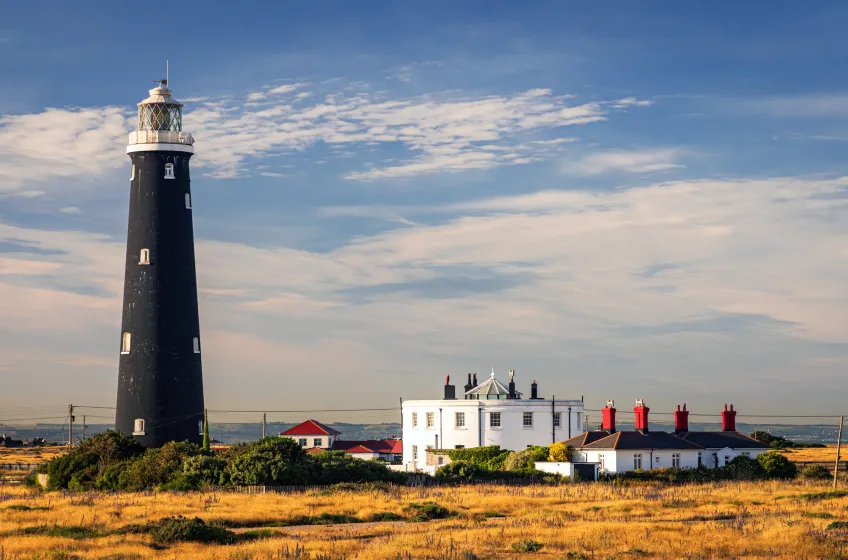
The Old Lighthouse, built in 1904, is one of the most iconic structures on the headland. Though now decommissioned, it’s open to the public and you can climb its 169 steps for sweeping views of the shingle peninsula, the nuclear power station, and out over the English Channel.
Inside the lighthouse, there are exhibitions on its history and maritime navigation. It’s a fascinating insight into how this eerie coast was once a vital part of seafaring safety.
Dungeness Nuclear Power Station
You can’t miss the looming bulk of Dungeness B Nuclear Power Station—it dominates the landscape like something from a sci-fi film. While it may seem an odd attraction, the power station is a strangely compelling part of the Dungeness aesthetic and even offers occasional public tours (check availability well in advance).
Even without going inside, it makes for incredible photo opportunities, particularly when juxtaposed with the surrounding bleak natural beauty.
Romney, Hythe & Dymchurch Railway
This charming miniature steam railway runs from Hythe to Dungeness, with a stop right near the Old Lighthouse. The Romney, Hythe & Dymchurch Railway (RHDR) is a nostalgic experience, with beautifully maintained trains and coastal views. It’s a fun way to arrive at Dungeness or a great detour during a day out exploring Romney Marsh.
The Britannia Inn and Dungeness Snack Shack
Food options may be limited in Dungeness, but they’re full of character. The Britannia Inn is a traditional pub offering seafood and home-cooked meals in a cosy setting, while the Dungeness Snack Shack is a beachfront favourite serving up fresh fish straight from the boat—think lobster rolls, scallop baps, and crab sandwiches. Both are excellent spots to refuel with a taste of the sea.
Sound Mirrors at Greatstone
A short drive from Dungeness, you’ll find the haunting concrete “listening ears” of the Greatstone Sound Mirrors. These massive concrete structures were built in the 1920s and 30s as early warning systems for detecting incoming aircraft before radar was invented.
They now sit in surreal isolation on a lake managed by the RSPB, and while they’re only accessible during special open days or by guided walks, you can still view them from a distance. They add to the area's overall feeling of forgotten history and odd invention.
Unique Shingle Huts and Eco Homes
Part of the Dungeness charm is its curious collection of buildings, from old railway carriages turned into homes to experimental eco-houses. Many of these are private, but they make for fascinating viewing from the road or footpath. You’ll find a mix of ramshackle cottages and modern architectural masterpieces, each telling part of the story of this unusual place.
Practical Advice for Visitors
Getting There
Dungeness is relatively remote, which adds to its appeal but requires a bit of planning. It’s located at the southern tip of Romney Marsh in Kent. The nearest major town is New Romney, about a 10–15 minute drive away.
By car: From London, the journey takes around 2.5 hours via the M20 and A259. Follow signs to New Romney and then head south towards Lydd and Dungeness. The final approach feels like you're driving off the map—but that's part of the charm.
By public transport: You can take a train to Ashford International, then catch a bus to Lydd or New Romney. From there, taxis or the RHDR (in season) are the best options. Services are limited, so check ahead and plan accordingly.
Parking
There’s free parking near the Old Lighthouse, the power station, and around the beach area. Spaces can fill up quickly on sunny weekends or during events, so arriving early is wise. Be mindful of signage and restricted areas—this is a fragile landscape, so sticking to designated zones is important.
Dining
Dining options in Dungeness are few but memorable. The Dungeness Snack Shack is the standout—simple, fresh, and set right by the beach. It’s only open during the day and is seasonal, so check their social media for up-to-date hours.
The Britannia Inn is open year-round and offers traditional British pub fare with a seafood emphasis. Further afield, New Romney has more dining options, from chippies to cafés and restaurants.
Shopping
There are no shops in Dungeness itself, which helps preserve its wild feel. However, nearby New Romney has a selection of independent stores, galleries, and antique shops. Look out for local produce, seaside-themed art, and quirky finds in the Romney Marsh area.
When to Visit
Dungeness is a year-round destination, but your experience will vary dramatically with the seasons.
Summer brings warmer weather, wildflowers, and better conditions for walking and photography—but it can be busier.
Autumn and winter offer a moodier, more dramatic atmosphere—perfect for those seeking solitude, big skies, and haunting light. Birdwatching is excellent in winter, with many migratory species visiting the area.
Spring is also a lovely time to visit, with wildlife waking up and fewer crowds.
Local Events
While Dungeness itself doesn’t host many large events, nearby towns such as New Romney and Rye have seasonal festivals, craft fairs, and food events. Keep an eye out for RSPB-organised birdwatching walks or open days at the Sound Mirrors or Dungeness Power Station.
Occasionally, art events, film screenings, or open garden days are held at Prospect Cottage or in the wider area, especially in honour of Derek Jarman.
Exploring Beyond Dungeness
If you have time, there are several spots nearby worth exploring:
Rye is a charming medieval town about 30 minutes away, full of cobbled streets, timber-framed houses, and boutique shops. It’s ideal for a contrasting day out full of history and charm.
Camber Sands, just past Rye, offers a long sandy beach backed by dunes—perfect for a more conventional beach experience.
Romney Marsh itself is fascinating, dotted with tiny churches, flat landscapes, and history-rich villages like Appledore and Brookland.
Hythe and Sandgate further up the coast offer seaside promenades and Victorian charm, and you can hop back on the RHDR for a scenic return journey.
Dungeness may not be polished or packed with traditional tourist attractions, but that’s precisely its allure. It’s a place for quiet contemplation, windswept exploration, and creative inspiration. Whether you come for the birds, the art, the shingle wilderness or the fish sandwiches, you’ll leave feeling like you’ve discovered a secret corner of the world—one that stays with you long after you’ve gone.
Shortlist
- Your Shortlist is empty