
Discover Dunblane | A Visitor's Introduction to Dunblane
Recommended places to visit, places to stay and things to do in and around Dunblane
Dunblane is a small but elegant town in Stirlingshire, central Scotland, best known for its historic cathedral, peaceful riverside walks, and connections to tennis star Andy Murray. Situated just north of Stirling and within easy reach of the Highlands, Dunblane combines medieval charm, Victorian refinement, and a strong sense of community. It’s a lovely place to stop if you're travelling between Edinburgh, Glasgow and the Highlands, or a peaceful destination in its own right for a weekend break.
With its leafy lanes, handsome stone buildings, and vibrant high street, Dunblane offers a unique blend of heritage, beauty and tranquillity — perfect for walkers, history buffs and anyone seeking a quieter corner of Scotland.
Recommended Dunblane Accommodation: Hotels Bed & Breakfasts Pub Accommodation
Why is Dunblane Worth a Visit?
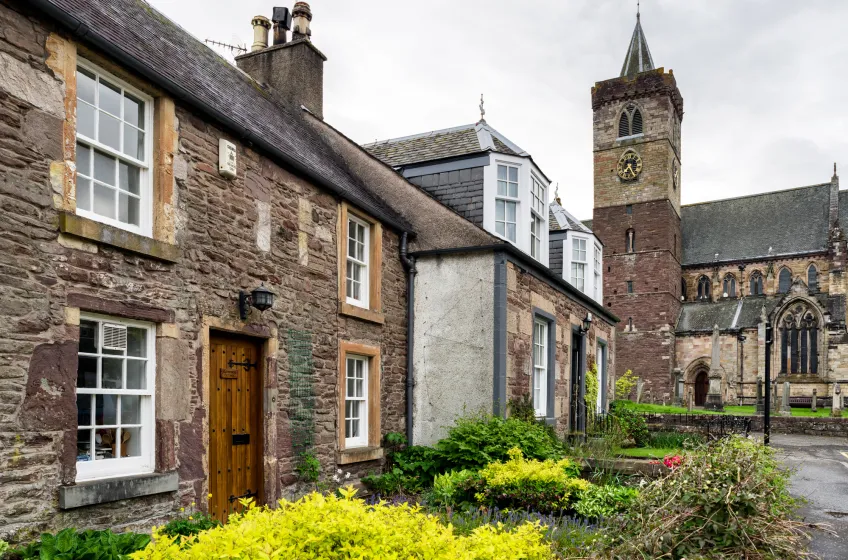
Dunblane is worth visiting for its rich history, tranquil setting, and beautifully preserved townscape. Though compact, it packs in centuries of culture — from the stunning medieval cathedral and its ancient graveyard to 19th-century villas and Victorian rail heritage. The town lies along the Allan Water, a gentle river that winds through wooded banks and parks, creating a peaceful atmosphere.
It’s also a town that balances the old and new with ease. Independent cafés and creative shops thrive alongside the legacy of the cathedral and the success of home-grown sporting hero Sir Andy Murray, whose name is proudly attached to local sports facilities and a golden postbox on the high street. Whether you’re following a heritage trail, enjoying a riverside walk, or stopping for a slow lunch, Dunblane leaves a lasting impression with its charm and character.
Dunblane Highlights: Things to See and Do in Dunblane
Dunblane Cathedral
At the heart of the town lies Dunblane Cathedral, one of the finest surviving medieval churches in Scotland. Built between the 12th and 15th centuries, it features soaring stone arches, stained glass windows, and a peaceful interior that reflects centuries of worship. The tower, dating back to the 1100s, is particularly striking, and the churchyard is full of fascinating old gravestones and memorials.
The cathedral is still used as a parish church and often hosts concerts thanks to its excellent acoustics. Entry is free, and volunteers are usually on hand to answer questions or point out interesting features.
The Leighton Library
Just next to the cathedral is the Leighton Library, Scotland’s oldest private library building, dating from 1687. The collection was founded by Bishop Robert Leighton and holds over 4,500 rare books and manuscripts covering theology, medicine, law and classical literature.
The library opens to the public during the summer months, and stepping inside feels like entering a scholarly time capsule. Its oak shelves, leather-bound volumes, and quiet atmosphere make it a hidden gem for history lovers and bibliophiles.
Andy Murray Gold Postbox and Sports Centre
Dunblane is the hometown of Sir Andy Murray, and locals celebrated his gold medal win at the 2012 London Olympics by painting the town’s Royal Mail postbox gold — you’ll find it proudly displayed outside the Dunblane post office on the High Street.
Nearby is the Dunblane Sports Club, home to the tennis courts where Andy and his brother Jamie first learned to play. While not a visitor attraction in the traditional sense, it’s a place of pilgrimage for tennis fans, and the local community centre displays some memorabilia and press clippings related to his career.
Laighills Park and Allan Water Walks
For a bit of fresh air and green space, head to Laighills Park, a large public park with playing fields, woodland trails, and riverside paths. The Allan Water, a gentle tributary of the River Forth, flows right through Dunblane, and walking paths follow its course through leafy banks and open glades.
You can take a peaceful walk from the cathedral down to the river and follow it upstream toward Ashfield or downstream towards Bridge of Allan. It’s a great spot for dog walking, picnics, and catching sight of ducks, herons and other wildlife.
Dunblane Museum
Located near the cathedral in a historic townhouse, the Dunblane Museum houses a small but informative collection on the town’s history, covering everything from ecclesiastical life to local crafts and famous residents. Exhibits include items related to the cathedral’s religious past, portraits of local figures, and displays about the town’s social history.
It’s run by volunteers and free to enter, offering a fascinating look into Dunblane’s lesser-known stories.
Dunblane Railway Station and Victorian Heritage
The railway station, opened in 1848, is one of the most attractive in Scotland. Its flower-filled platforms, decorative ironwork, and sandstone buildings give it a timeless feel, and the arrival of the railway helped transform Dunblane from a sleepy town into a fashionable retreat for Victorian city-dwellers.
You’ll also see plenty of elegant villas, churches and civic buildings from this era as you stroll around town, particularly in the west end near Argyle Road and Perth Road.
Local Shops and High Street
Dunblane’s High Street is compact but full of character, with independent shops, bakeries, gift stores and bookshops. Highlights include The Buttercup Café, Bee’s Knees gift shop, and Tilly’s Teas, where you can enjoy home baking in cosy surroundings. There’s also a regular farmers' market in the town centre with local produce, crafts and street food.
It’s a great place for browsing and taking in the relaxed pace of life.
Practical Advice for Visitors
Getting There
Dunblane is very well connected by road and rail. It’s just five miles north of Stirling, and 40–60 minutes from both Glasgow and Edinburgh by car. The A9 passes just west of town, linking Dunblane to Perth, Pitlochry and Inverness to the north.
The train station offers frequent direct services to Glasgow, Edinburgh, Perth and further north to the Highlands. This makes Dunblane a convenient base for rail travellers and day-trippers alike.
Getting Around
Dunblane is a compact town that’s easy to explore on foot. The cathedral, high street, river walks and station are all within a few minutes of each other. There’s no need for a car unless you’re planning to venture further into the countryside or the nearby Trossachs.
For cyclists, the National Cycle Route 765 runs through town, linking it to Stirling and Bridge of Allan via a quiet, scenic route.
Parking
Free and pay-and-display parking is available at several central locations, including The Haining car park behind the high street and at Laighills Park. On-street parking is also available near the cathedral, but spaces can be limited during events or weekends.
Dining
Though small, Dunblane offers several excellent options for eating and drinking:
-
The Riverside – a stylish bistro with views over the Allan Water, known for its seasonal menu and relaxed vibe.
-
Another Tilly Tearoom – a quirky spot for traditional Scottish afternoon tea and home baking.
-
India Gate – a popular Indian restaurant offering dine-in and takeaway.
-
Old Churches House – a former clergy residence turned café and hotel with a good breakfast and lunch offering.
You’ll also find pubs such as The Village Inn and The Westlands Hotel, both serving drinks and hearty Scottish meals.
Shopping
Dunblane’s shopping scene is proudly independent. You’ll find gift shops, homeware boutiques, and food stores, often run by local families. There’s a butcher, a bakery, and a small supermarket for essentials, but it’s the local quirks — a vintage bookshop, a wool and haberdashery store, artisan chocolate — that make shopping here enjoyable.
Nearby Stirling offers larger-scale shopping if you need more options.
When to Visit
Dunblane is a year-round destination. Spring and summer are best for enjoying riverside walks and gardens in bloom. The town is especially lovely when the daffodils bloom around the cathedral in March and April. Autumn brings golden leaves along the Allan Water, while winter is cosy, especially if you’re staying in one of the town’s traditional stone cottages or hotels.
Because of its rail links, Dunblane rarely feels remote or inaccessible, even in winter.
Local Events
Dunblane’s community calendar includes several well-attended events:
-
Dunblane Fling – a summer festival of music, art and food that brings life to the high street.
-
Cathedral concerts – classical and choral performances held throughout the year in the atmospheric cathedral nave.
-
Christmas light switch-on and fair – held in late November or early December, with carols, stalls, and Santa’s sleigh.
Local organisations such as the Dunblane Centre and Friends of the Cathedral often host cultural and family-friendly events throughout the year.
Exploring Beyond Dunblane
Dunblane makes a great base for exploring Stirling (10 minutes away), Bridge of Allan (5 minutes), and the wider Trossachs and Loch Lomond National Park. You’re also close to Doune Castle, Blair Drummond Safari Park, and the Wallace Monument, all excellent day-trip destinations.
The Perthshire Highlands, including Crieff and Loch Earn, are also within easy reach, making Dunblane a great launch point for touring central Scotland.
Summary
Dunblane may be small, but it’s full of soul. With its majestic cathedral, scenic riverside setting, and blend of heritage and modern life, it’s a place that rewards unhurried exploration. Whether you’re soaking up the atmosphere in a tearoom, discovering rare books in an ancient library, or watching the river drift past from a park bench, Dunblane invites you to slow down and appreciate Scotland at its most graceful.
Shortlist
- Your Shortlist is empty