
Discover Drôme | A Visitor's Introduction to Drôme
Recommended places to visit, places to stay and things to do in Drôme
Drôme is a charming and diverse department located in southeastern France, nestled between the Rhône Valley and the foothills of the Alps. Part of the larger Auvergne-Rhône-Alpes region, it is known for its lavender fields, medieval hilltop villages, rolling vineyards, and a climate that blends Alpine freshness with Provençal sunshine. Less touristy than neighbouring Provence but equally rich in culture and beauty, Drôme is a gem for those seeking authenticity, tranquillity, and variety. Whether you're a lover of nature, food, history, or just good old-fashioned French countryside charm, Drôme offers a deeply satisfying experience.
Recommended Drôme Accommodation: Hotels Bed & Breakfasts
Why is Drôme Worth a Visit?
Drôme is worth visiting for its incredible mix of landscapes, from Alpine peaks and river gorges to gently undulating countryside covered in vineyards, truffle oak trees, and fields of lavender and sunflowers. This is a place where medieval villages cling to hillsides, where artisan markets overflow with local produce, and where outdoor adventure is always close by.
The department has long been a crossroads between the north and south of France, which is reflected in its architecture, cuisine, and dialects. Its capital, Valence, offers urban flair and riverfront charm, while the southern part of the region, known as Drôme Provençale, gives you a taste of Provence without the tourist crowds. If you’re looking to hike in the Vercors mountains, sip award-winning wines in quiet vineyards, or lose yourself in the cobbled streets of a perched village, Drôme is a captivating and rewarding destination.
Drôme Highlights: Things to See and Do in Drôme
Valence
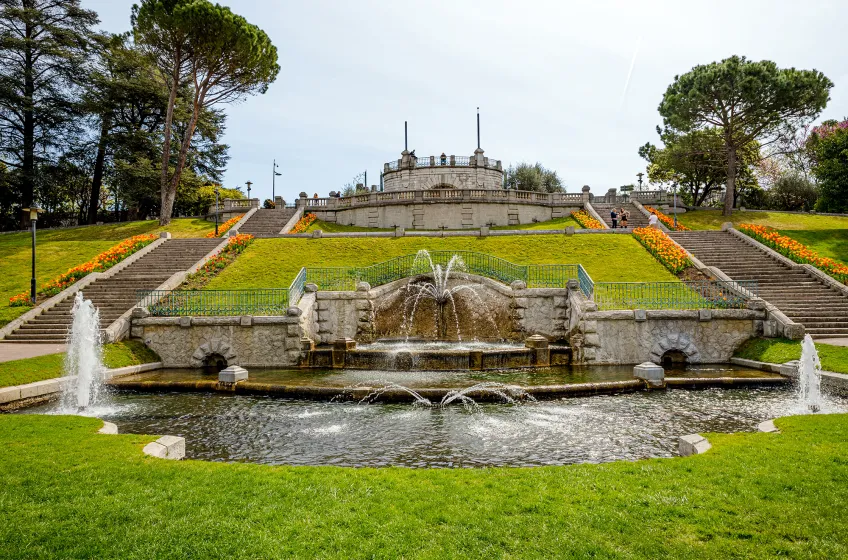
Valence, the departmental capital, is a lively city on the banks of the Rhône with a Mediterranean flair. Its historic centre is dotted with elegant townhouses, charming squares, and the beautiful Parc Jouvet, a vast green space perfect for relaxing walks. Don't miss the Maison des Têtes, a Renaissance building adorned with curious carved faces, or the Valence Cathedral, dating back to the 11th century. The city also boasts a thriving food scene, including a restaurant from Anne-Sophie Pic, one of France’s most celebrated chefs.
Vercors Regional Natural Park
Covering a vast area in the north and east of the department, the Parc Naturel Régional du Vercors is a wonderland for outdoor lovers. Think dramatic limestone cliffs, deep gorges like the Combe Laval, and dense forests full of wildlife. It’s ideal for hiking, rock climbing, cycling, and in winter, cross-country skiing. Small villages like La Chapelle-en-Vercors or Vassieux-en-Vercors offer rustic charm and a deep connection to the Resistance history of WWII.
Grignan
Grignan is one of the most beautiful hilltop villages in Drôme Provençale. It’s dominated by the Château de Grignan, a Renaissance gem that once hosted the 17th-century letter writer Madame de Sévigné. The château offers panoramic views of lavender fields and Mont Ventoux in the distance. Grignan also hosts night markets and classical music festivals in the summer, making it a cultural hub amid bucolic surroundings.
Nyons
Often called “the little Nice of Drôme,” Nyons enjoys a Mediterranean microclimate that supports centuries-old olive groves. Its weekly Provençal market is one of the best in the region, and you can sample local olive oil, wines, and tapenades to your heart’s content. Visit the Pont Roman and the Tour Randonne, then unwind in one of the sunny cafés lining the town square. If you’re here in February, don’t miss the Fête de l'Olive Nouvelle, celebrating the season’s first press.
Die
The town of Die, pronounced "Dee", sits in the foothills of the Vercors and is famous for Clairette de Die, a lightly sparkling, sweet white wine made from Muscat grapes. Visit local vineyards to try a tasting and enjoy the laid-back pace of life in this ancient Roman town. The surrounding countryside offers access to some of the most scenic walks in the region, including the Cirque d’Archiane.
Montélimar
Famed for its nougat, Montélimar is a sweet stop along the Rhône Valley. While some of the bigger nougat factories are a bit commercial, smaller producers offer fascinating tours and tastings. The town itself has an attractive historic centre, with narrow streets, a Provençal market, and the impressive Château des Adhémar, which sits on a hill overlooking the town.
Crest and the Crest Tower
The small town of Crest is home to France’s tallest keep, the Tour de Crest, a 52-metre-high medieval tower that once served as a prison. Climbing to the top offers incredible views over the Drôme Valley and surrounding countryside. The old town has a pleasantly sleepy feel, with cafés, artists’ studios, and boutiques tucked away in its winding lanes.
La Grotte de Choranche
This spectacular cave in the Vercors is full of emerald-coloured underground lakes and delicate needle-like stalactites known as soda straws. The Grotte de Choranche is both a geological wonder and a great family activity. Guided tours are available year-round, and you might even spot the rare proteus, a blind amphibian found only in certain caves of Europe.
Tain-l’Hermitage and Tournon-sur-Rhône
These twin towns on opposite banks of the Rhône are heaven for wine lovers. Tain-l’Hermitage is the home of prestigious Hermitage wines and the Cité du Chocolat Valrhona, an interactive museum run by the famous chocolate maker. Across the river in Tournon, explore the château, stroll through the botanical garden, and hop on the Train de l’Ardèche, a scenic steam railway that chugs through the Doux Valley.
Saou Forest and Trois Becs
The Forêt de Saou is a unique natural enclave, almost entirely encircled by towering cliffs. The forest is a hotspot for biodiversity and outdoor activities, with hiking routes that vary from gentle strolls to challenging climbs. The Trois Becs peaks offer some of the most breathtaking panoramic views in the region, and on a clear day, you can see all the way to the Alps.
Mirmande
Classified as one of the "Plus Beaux Villages de France", Mirmande is a beautifully preserved medieval village set on a steep hillside. Cobbled alleys, stone houses covered in climbing roses, and a timeless atmosphere make it an ideal place to wander without an agenda. It's particularly photogenic in the golden light of late afternoon.
Suze-la-Rousse
The Château de Suze-la-Rousse is one of the more striking castles in the region, not only because of its mix of medieval and Renaissance architecture but also for its role as a wine university. Surrounded by vineyards, the château offers wine education programmes and hosts tastings that provide deep insight into the region’s viticulture.
Romans-sur-Isère
This town near Valence was once a hub of luxury shoemaking and still retains an air of faded grandeur. Visit the Musée de la Chaussure (Shoe Museum) housed in a former convent, and stroll the old town’s charming streets. The nearby Palais Idéal du Facteur Cheval, while technically in neighbouring Drôme des Collines, is an utterly surreal monument built single-handedly by a 19th-century postman and well worth the detour.
Practical Advice for Visitors
Getting There
Drôme is easily accessible from many parts of France and beyond. The nearest major airport is Lyon-Saint Exupéry, around 1.5 hours’ drive from Valence. Alternatively, Marseille and Geneva are each about 2.5 hours away. High-speed TGV trains stop at Valence TGV station, connecting the region to Paris in under 2.5 hours. You’ll likely need a car to explore the area fully, especially if you want to visit rural villages and natural parks.
Parking
Most towns and villages in Drôme offer free or low-cost parking. In larger towns like Valence or Montélimar, paid car parks are available near town centres, but spaces are usually easy to find. In high season (July and August), parking can be more competitive in tourist hotspots like Grignan or Nyons, so aim to arrive early or park slightly outside the centre and walk in.
Dining
Drôme’s cuisine is a treat for the senses, influenced by both Alpine and Provençal traditions. In the north, look for ravioles du Dauphiné, tiny cheese-filled pasta, while in the south, you’ll find dishes laced with olive oil, truffles, and lavender honey. Try the Truffes noires de la Drôme (black truffles) in winter, or visit Les Halles de Valence for gourmet products. For a splurge, dine at Maison Pic in Valence. For casual meals, village bistros often offer affordable and delicious daily menus.
Shopping
Drôme is ideal for picking up local produce and artisan goods. Visit weekly markets in towns like Nyons, Dieulefit, and Crest for olives, cheese, charcuterie, soaps, and handmade crafts. Nougat from Montélimar, lavender products from Drôme Provençale, and fine wines from Tain-l’Hermitage make great souvenirs. Many artists and potters live in the area, and their studios are often open to visitors.
When to Visit
Drôme is beautiful year-round, but late spring (May–June) and early autumn (September–October) offer the best mix of good weather and fewer tourists. July brings the lavender fields to life, especially in the south near Grignan and Nyons, but also higher prices and hotter days. Winter is quieter and perfect for truffle-hunting and skiing in the Vercors. The Christmas markets in Valence and Montélimar are festive without being overwhelming.
Local Events
Drôme hosts a wide range of local events throughout the year. Highlights include the Festival de la Correspondance in Grignan (early July), celebrating letter writing in honour of Madame de Sévigné, and the Nyons Olive Festival in February. In summer, look out for night markets, open-air concerts, and village fêtes across the region. Valence holds an annual dance and theatre festival, and Die celebrates the Clairette de Die harvest each autumn.
Exploring Beyond Drôme
If you have extra time, Drôme is perfectly positioned for exploring nearby gems. Head west across the Rhône to explore Ardèche’s gorges and prehistoric caves, or travel south into Provence proper. The Dentelles de Montmirail and Mont Ventoux are about an hour's drive and offer excellent hiking and cycling. Northwards, the Lyonnais region provides a more urban contrast with cultural attractions and top-tier gastronomy.
Whether you’re sipping wine in a sun-drenched vineyard, hiking through Alpine forests, or browsing lavender-scented markets, Drôme is a region that rewards the curious and the unhurried. It’s France at its most authentic – full of colour, character, and quiet surprises.
Shortlist
- Your Shortlist is empty