
Discover Drenthe | A Visitor's Introduction to Drenthe
Recommended places to visit, places to stay and things to do in Drenthe
Drenthe, in the northeast of the Netherlands, is a province of wide-open landscapes, prehistoric monuments, heathlands, and charming villages. It’s often called the country’s “cycling province” thanks to its extensive network of bike paths, many of which pass through forests, farmlands, and ancient sites. Known for its tranquillity and nature reserves, Drenthe offers a slower pace of life and is perfect for travellers who want to combine outdoor activities with cultural heritage. Its claim to fame is the hunebedden – megalithic tombs dating back over 5,000 years – making it the oldest cultural landscape in the Netherlands.
Recommended Drenthe Accommodation: Hotels
Why is Drenthe Worth a Visit?
Drenthe is worth visiting for its combination of prehistoric history, unspoilt nature, and rural charm. It’s less crowded than the Randstad or the coast, giving you room to explore at your own pace. Cyclists and hikers will find endless trails through national parks, while history lovers can visit the ancient hunebedden, medieval churches, and open-air museums. The province also has a dark but important 20th-century history at sites like Kamp Westerbork, a WWII transit camp.
Drenthe’s towns and villages offer a warm welcome, with cosy cafés, thatched farmhouses, and weekly markets. Whether you’re here for a weekend of cycling, a family holiday in nature, or a deeper look into Dutch history, Drenthe delivers an authentic and peaceful experience.
Drenthe Highlights: Things to See and Do in Drenthe
Hunebedden (Megalithic Tombs)
These ancient stone burial chambers, built by the Funnelbeaker culture around 3000 BC, are the Netherlands’ oldest monuments. There are 52 in Drenthe, mostly in the Hondsrug area. The Hunebed Centre (Hunebedcentrum) in Borger is the best place to start, with exhibitions explaining their history and a reconstructed prehistoric village.
Dwingelderveld National Park
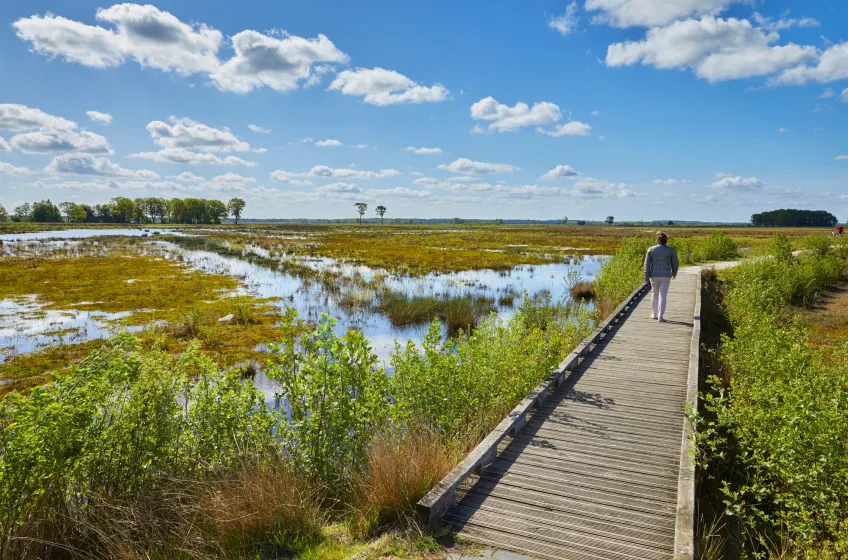
Europe’s largest wet heathland, Dwingelderveld is a vast, peaceful landscape of moors, forests, and fens. It’s home to rare bird species and two flocks of grazing sheep. Walking and cycling trails weave through the park, with observation towers for scenic views.
Kamp Westerbork
This former WWII transit camp is now a memorial centre and museum. Exhibits tell the stories of the tens of thousands of Jews, Roma, and resistance members deported from here. The site also includes the remnants of the camp and a poignant field of memorial stones.
Drents-Friese Wold National Park
Straddling Drenthe and Friesland, this park is one of the largest nature reserves in the Netherlands. It features dunes, heath, woodlands, and wetlands, with plenty of cycling and walking routes, plus wildlife like deer and rare butterflies.
Assen
The provincial capital is compact but lively, with the Drents Museum as its highlight. The museum is known for archaeology, fine art, and special exhibitions. Assen also hosts the annual TT Assen motorcycle race, a major international event.
Orvelte
This living museum village preserves traditional Drenthe architecture and rural life. Thatched farmhouses, cobbled streets, and craft workshops make it a lovely place to wander and step back in time.
Hondsrug UNESCO Geopark
This unique ridge of higher ground runs through Drenthe, shaped by Ice Age glaciers. It’s dotted with hunebedden, picturesque villages, and scenic trails.
Veenhuizen
Once a 19th-century reform colony for the poor, Veenhuizen is now a UNESCO World Heritage Site. Its history is told at the Prison Museum (Gevangenismuseum), and the village itself has an unusual, orderly layout reflecting its past.
Balloërveld
An expansive heathland with Bronze Age burial mounds and beautiful walking routes. In late summer, the purple heather blooms spectacularly.
Practical Advice for Visitors
Getting There
Drenthe is around 2 hours by train from Amsterdam to Assen or Emmen, with regional buses connecting smaller towns and villages. By car, the A28 and N34 provide easy access through the province. Cycling is the best way to explore locally, thanks to the extensive knooppunten (numbered junction) route network.
Parking
Free parking is common in villages and at nature reserves. Town centres may have paid parking zones, but costs are generally lower than in larger Dutch cities.
Dining
Expect hearty, down-to-earth meals, often featuring local game, dairy products, and seasonal vegetables. Pancake houses and cosy brasseries are common. For a treat, Bax Beer Café in Assen offers local craft beers, and many village cafés serve homemade apple pie (appeltaart) with whipped cream.
Shopping
Drenthe’s towns have small boutiques, galleries, and markets selling local crafts, cheeses, honey, and wool products. Orvelte and Veenhuizen offer artisan workshops and museum shops.
When to Visit
Spring brings fresh greenery and blossoms; summer is ideal for cycling and long days outdoors. Late August and early September are magical with the purple heather in bloom. Autumn offers crisp air and colourful forests. Winter is quiet but peaceful, especially for those seeking solitude in nature.
Local Events
The TT Assen motorcycle race in June draws huge crowds. In Orvelte, seasonal fairs celebrate local crafts, while various villages host harvest festivals in autumn. The Hunebed Centre often organises themed events and guided tours.
Exploring Beyond Drenthe
From Drenthe, you can easily visit Groningen to the north, Friesland’s lakes to the west, or Germany’s Emsland region to the east. The nearby Wadden Sea UNESCO World Heritage area offers unique tidal landscapes and island day trips.
Shortlist
- Your Shortlist is empty