
Discover Creuse | A Visitor's Introduction to Creuse
Recommended places to visit, places to stay and things to do in Creuse
Creuse is a peaceful and rural department in the Nouvelle-Aquitaine region of central France, named after the river that winds gently through its undulating landscape. With its rolling hills, quiet lakes, granite villages and lush green valleys, Creuse offers a blissful escape from the hustle and bustle of modern life. Often overlooked in favour of more touristy regions, this hidden gem is ideal for walkers, artists, nature lovers, and anyone looking to immerse themselves in an authentic slice of French countryside living.
Famous for inspiring painters of the 19th-century Crozant School, and with its roots deeply embedded in Gallic, Roman and medieval history, Creuse rewards those who travel off the beaten track with unspoilt beauty, friendly locals, and a deep sense of calm.
Recommended Creuse accommodation: Hotels
Why is Creuse Worth a Visit?
Creuse is worth visiting for its serenity, natural landscapes, and untouched charm. As one of France’s least populated departments, it’s a place where time seems to slow down. You can explore wild river valleys, ancient forests and sleepy hamlets without jostling with crowds or queues. It’s the sort of place where the nearest boulangerie might be 10 minutes away—but the bread will be fresh, the welcome warm, and the views along the way unforgettable.
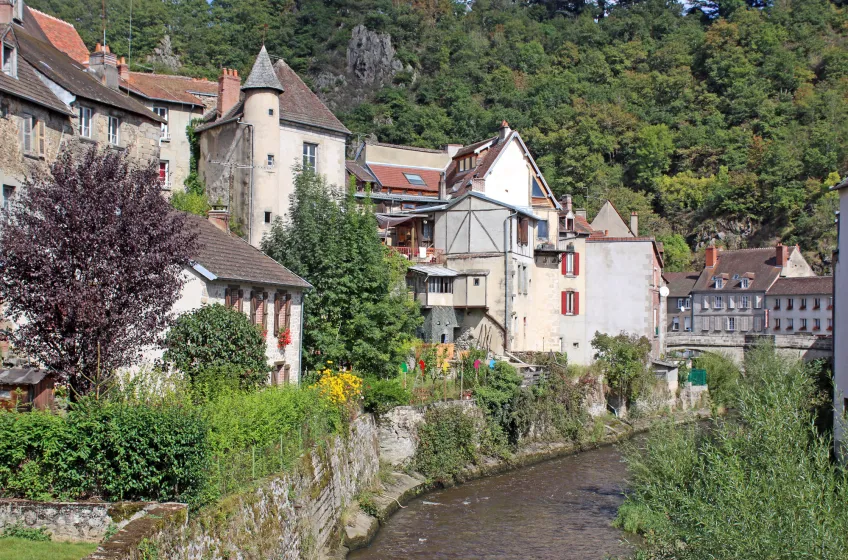
The Creuse River carves a scenic path through the department, creating dramatic gorges in the north around Crozant and flowing gently past traditional stone houses in the south. There are ruined castles perched on hillsides, Romanesque churches in tiny villages, and more lakes and walking trails than you could cover in a summer.
Whether you're drawn to historical sites, outdoor activities, or simply want a quiet spot to read a book and listen to birdsong, Creuse has something special to offer—without the price tag or crowds of better-known destinations.
Creuse Highlights: Things to See and Do in Creuse
Crozant and the Valley of the Painters
Crozant, a small village in the north of the department, is home to the hauntingly beautiful ruins of a medieval fortress perched high above the River Creuse. But it’s not just the castle that attracts visitors—the surrounding landscapes inspired 19th-century painters like Monet, Guillaumin and Armand Guillaumin, who came for the changing light and wild scenery. You can walk or cycle the marked Valley of the Painters trails, which link the viewpoints immortalised on canvas.
The ruins are open year-round and particularly stunning at sunset. A small interpretation centre in Crozant explains the link between the area and the artists who loved it.
Aubusson and the World of Tapestry
Aubusson is the cultural capital of Creuse and a UNESCO-listed centre of tapestry making, with a weaving tradition that dates back over six centuries. The Cité Internationale de la Tapisserie is the flagship museum, showcasing historic pieces alongside contemporary designs—including a series based on The Lord of the Rings. You can also watch weavers at work and learn about this intricate art form.
The town itself is attractive, with narrow streets, small cafés, and craft shops. The market on Saturday mornings is a good time to visit.
Lake Vassivière
Spanning over 1,000 hectares, Lac de Vassivière is one of the largest artificial lakes in France, set amidst pine forests and rolling hills. It’s a hub for outdoor activities, including sailing, kayaking, paddleboarding, swimming, and hiking. In summer, several sandy beaches around the lake provide safe spots for families, while marked trails allow walkers and cyclists to circle the shoreline.
The Île de Vassivière, accessible by bridge or boat, hosts a contemporary art centre and sculpture park, blending nature and modern creativity in a uniquely tranquil setting.
Boussac and its Château
The small town of Boussac is dominated by its imposing château, where George Sand once stayed and where the famed Lady and the Unicorn tapestries were rediscovered before being moved to the Musée de Cluny in Paris. The current château is privately owned but open for guided tours that delve into its layered history. The town has a charming square and a good weekly market on Thursdays.
Nearby, the Gorges de la Petite Creuse offers superb walking and picnic opportunities along a more rugged stretch of river.
Moutier-d’Ahun
One of the prettiest villages in Creuse, Moutier-d’Ahun is best known for its beautiful Romanesque church with intricately carved 17th-century wooden stalls. The village is peaceful, set on the banks of the River Creuse, with a picturesque stone bridge, a few artists’ studios and a relaxed, timeless feel. It’s a lovely spot for an afternoon wander or picnic by the river.
Ahun
Just a short drive from Moutier-d’Ahun, the town of Ahun was once a Roman settlement and later a medieval pilgrimage stop. The Eglise Saint-Sylvain is an architectural highlight, and there are walking paths that take you along the river and through surrounding countryside. The Viaduc d’Ahun, a 19th-century railway bridge, adds a dramatic touch to the skyline.
The Maze at Guéret and the Giant Labyrinth
In the prefecture of Guéret, you’ll find Labyrinthe Géant des Monts de Guéret, Europe’s largest plant maze. With over 4km of hedgerow pathways, it’s a hit with families and a fun challenge for all ages. Guéret itself is also home to the Musée d’Art et d’Archéologie, and the Wolves of Chabrières, a wildlife park set in forested hills where wolves roam in large enclosures and conservation is the focus.
Felletin and Its Weaving Heritage
Often seen as the “sister” town to Aubusson, Felletin shares the same rich tapestry heritage and hosts the Fête de la Laine (Wool Festival) each October. It’s also the site of stunning religious buildings, including the Church of Saint-Valérie, known for its gothic arches and wooden vaulting.
Sainte-Feyre and the Arboretum
Located just outside Guéret, Château de Sainte-Feyre and its surrounding arboretum are ideal for a gentle afternoon out. The château is not always open for visits, but the surrounding landscaped park and collection of rare trees are worth a visit, particularly in autumn when the colours are glorious.
Bourganeuf
Bourganeuf is an atmospheric town with a medieval centre, towers, and a curious link to the East: the Zizim Tower, named after a Turkish prince imprisoned here in the 15th century. The Hydro-electric Museum in the town tells the story of how Bourganeuf was among the first places in France to get electricity, thanks to the nearby river. It’s a lesser-known but fascinating stop for history lovers.
Practical Advice for Visitors
Getting There
Creuse is most easily reached by car. The nearest major city is Limoges, which has an airport with flights from the UK and several French cities. From Limoges, it’s around an hour’s drive to central Creuse towns like Guéret or Aubusson. Trains from Paris run to La Souterraine, a town on the western edge of Creuse, which can be a useful entry point if you plan to hire a car.
Having your own vehicle is highly recommended, as public transport is sparse and many attractions are spread out.
Parking
Parking is rarely a problem in Creuse. Most towns and villages offer free or very low-cost parking, often just a short walk from the centre. Even in larger places like Aubusson or Guéret, you’ll find ample space near markets, museums and tourist sites.
Dining
Creuse cuisine is hearty and comforting, with an emphasis on beef (notably Limousin beef), lamb, chestnuts, and local cheeses. Try dishes like potée creusoise (a local stew), flognarde (an apple-filled cousin of clafoutis), and galette de pommes de terre (potato cakes).
In Aubusson, Le Lissier and Le France are well-rated for traditional cuisine. For something rustic and full of local charm, try an auberge in the countryside—many offer a multi-course lunch at very good value.
Markets are held weekly in most towns. The market in Felletin (Friday) and Aubusson (Saturday) are particularly lively, with local produce, cheese, cured meats, and regional specialities.
Shopping
Local crafts, especially anything textile-related, are a highlight. Look for handwoven tapestries, felted wool items, handmade soaps, pottery, and wooden toys. In many villages, small boutiques and studios offer one-of-a-kind souvenirs made by local artisans.
Creuse honey, chestnut products, and jams made from local berries make good edible souvenirs.
When to Visit
Late spring through early autumn is the best time to visit Creuse. May and June bring blooming meadows and quiet roads, while July and August offer warm weather and village fêtes. September and October are beautiful for autumn colours, especially around the lakes and wooded areas.
Winter can be cold and quiet, with some businesses closing for the season, but if you’re looking for solitude, roaring fires and crisp countryside walks, it still has its charm.
Local Events
Creuse may be rural, but it’s far from sleepy when it comes to local celebrations. Some events worth planning around include:
-
Fête de la Tapisserie in Aubusson (summer): Celebrating the region’s weaving heritage with exhibitions and open workshops.
-
Fête de la Laine in Felletin (October): A colourful wool and fibre arts festival with demonstrations and artisan stalls.
-
Festival des Nuits d’été en Creuse (July–August): A series of outdoor concerts and theatre performances in scenic spots.
-
Marché de Noël in Guéret (December): A cosy Christmas market with food, crafts and festive decorations.
Exploring Beyond Creuse
Creuse is surrounded by equally peaceful and beautiful departments worth exploring. To the west lies Haute-Vienne, with the historic city of Limoges. To the south, Corrèze offers stunning medieval villages like Collonges-la-Rouge and Turenne. The Parc Naturel Régional de Millevaches straddles Creuse, Corrèze and Haute-Vienne, offering even more walking and cycling opportunities in pristine nature.
Also nearby is the Berry region to the north (Indre department), where you’ll find the home of George Sand and the remarkable Château de Valençay.
Creuse is the kind of place that rewards the curious and the contemplative. Its landscapes are not dramatic but gentle and rolling, its villages quietly beautiful rather than grandiose, and its pace of life is wonderfully slow. Whether you come for the outdoor adventures, the artistic heritage, or simply to breathe the clean country air, Creuse offers an experience that feels timeless, authentic, and deeply refreshing.
Shortlist
- Your Shortlist is empty