
Discover The Cotswolds | A Visitor's Introduction to The Cotswolds
Get independent advice and recommendations for places to stay and things to do in The Cotswolds
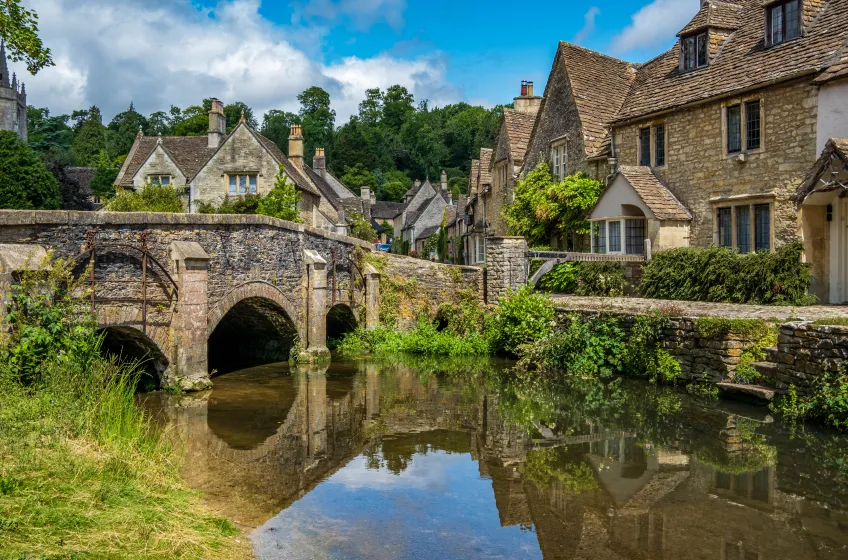
The Cotswolds is a picture-perfect region in south-central England, stretching across five counties: Gloucestershire, Oxfordshire, Warwickshire, Wiltshire, and Worcestershire. Known for its honey-coloured stone cottages, rolling hills, and timeless rural charm, the Cotswolds is one of the most quintessentially English destinations you’ll find. With postcard villages, historic market towns, and gentle countryside, this Area of Outstanding Natural Beauty is ideal for walkers, history lovers, and anyone seeking a tranquil escape.
Includes: Bourton-on-the-Water Broadway Burford Chipping Campden Chipping Norton Cirencester Stow-on-the-Wold Tetbury
Recommended Cotswolds Accommodation: All Hotels 4&5 Star Luxury Hotels Country House Hotels Budget Hotels Boutique Hotels Family-Friendly Hotels Romantic Hotels Spa & Wellness Hotels Bed & Breakfasts Pub Accommodation




Why are the Cotswolds Worth a Visit?
The Cotswolds are worth visiting for its dreamy landscapes, preserved medieval architecture, and the sense of timeless calm that envelops the region. Unlike other rural areas, the Cotswolds has managed to maintain a delicate balance between old-world charm and modern comfort. Each village feels like a step back in time, yet with cosy inns, boutique shops, and gourmet dining experiences waiting around every corner.
The region's architecture is a major draw—built largely from the iconic golden Cotswold limestone, the buildings radiate warmth and charm. The area is dotted with historic manor houses, enchanting gardens, medieval churches, and bustling market towns. It's a haven for walkers and cyclists thanks to its rolling landscapes and extensive footpath network, including part of the 102-mile Cotswold Way. Whether you’re exploring charming villages like Bibury and Bourton-on-the-Water, or taking in the grandeur of Blenheim Palace, the Cotswolds offers a peaceful yet rich travel experience that lingers long after you’ve left.
Cotswolds Highlights: Things to See and Do in the Cotswolds
Bibury
Often referred to as the most beautiful village in England, Bibury is postcard-perfect. Its most famous feature is Arlington Row, a cluster of 14th-century weavers’ cottages that have become one of the most photographed scenes in the country. The River Coln flows through the village, flanked by ducks, quaint stone bridges, and charming gardens. It’s best visited early in the morning or late in the day to avoid crowds.
Bourton-on-the-Water
Nicknamed the "Venice of the Cotswolds" due to the series of low stone bridges crossing the River Windrush, Bourton-on-the-Water is a family favourite. The village has attractions such as the Model Village (a miniature replica of Bourton itself), Birdland Park and Gardens, and the Cotswold Motoring Museum. There’s also a great selection of tea rooms, pubs, and gift shops.
Stow-on-the-Wold
Stow-on-the-Wold is a hilltop market town with a rich history and vibrant town square. It’s known for its antique shops, independent galleries, and the lovely St Edward’s Church, whose north door is flanked by two ancient yew trees—rumoured to have inspired Tolkien's Doors of Durin in The Lord of the Rings. Stow also boasts an excellent choice of traditional pubs and lovely tearooms.
Broadway and the Broadway Tower
Broadway is a wide, elegant village known for its arts scene, excellent dining, and stylish boutiques. Just outside the village is Broadway Tower, an 18th-century folly perched on the second-highest point in the Cotswolds. From the top, you can enjoy panoramic views over 16 counties on a clear day. There’s also a nuclear bunker hidden below the tower, which can be visited on guided tours.
Sudeley Castle
Located near Winchcombe, Sudeley Castle is a historic gem that’s often overlooked. It was the home of Katherine Parr, the last wife of Henry VIII, who is buried in the chapel. The castle features beautifully restored rooms, fascinating exhibitions, and award-winning gardens. Events, reenactments, and seasonal trails make it an engaging visit for all ages.
Cotswold Way National Trail
For lovers of the great outdoors, the Cotswold Way is a must. This long-distance walking trail runs for 102 miles from Chipping Campden to Bath, following the edge of the Cotswold escarpment. Walkers are rewarded with sweeping views, picturesque hamlets, and historic landmarks along the way. You don’t have to walk the entire route—many shorter, circular walks are available for day-trippers.
Chipping Campden
This charming town at the northern edge of the Cotswolds is known for its well-preserved High Street, lined with historic buildings dating back to the 14th century. Once a centre for the wool trade, Chipping Campden is now a hub for arts and crafts. The Court Barn Museum showcases the area’s role in the Arts and Crafts movement. The town is also a great base for beginning the Cotswold Way.
Cirencester
Often considered the capital of the Cotswolds, Cirencester is a lively market town with Roman origins. The Corinium Museum offers a fascinating look at its Roman past, while the Parish Church of St. John the Baptist is one of the largest in the country. Cirencester Park and Abbey Grounds provide green spaces to explore, and the town hosts regular markets and independent shopping opportunities.
Painswick
Known as the "Queen of the Cotswolds", Painswick is a small but stunning village of narrow lanes and elegant stone buildings. The standout is the Church of St. Mary, surrounded by 99 yew trees and a unique table tomb graveyard. The Painswick Rococo Garden, a whimsical 18th-century garden restored to its former glory, is particularly beautiful in spring.
Castle Combe
Often labelled as England’s prettiest village, Castle Combe is utterly untouched by time. With no new buildings constructed since the 1600s, it retains its medieval charm. It’s a favourite for film crews (you might recognise it from Stardust or War Horse). Walking through Castle Combe feels like stepping into a fairytale.
Blenheim Palace
While just on the edge of the Cotswolds in Woodstock, Oxfordshire, Blenheim Palace is an unmissable stop. The birthplace of Sir Winston Churchill, it’s a masterpiece of Baroque architecture with grand staterooms, formal gardens, and over 2,000 acres of parkland landscaped by Capability Brown. Events such as garden tours, exhibitions, and food festivals are regularly held.
Daylesford Organic
For a more modern Cotswold experience, Daylesford near Kingham is a stylish farmshop-meets-wellness-retreat offering organic food, cookery classes, floristry workshops, and spa treatments. It's popular with Londoners escaping for a weekend and combines rustic charm with chic sustainability.
Practical Advice for Visitors
Getting There
The Cotswolds is well-connected and easily reached from London, Birmingham, and Bristol. By train, you can travel to towns such as Moreton-in-Marsh, Kemble (for Cirencester), or Charlbury from London Paddington in under two hours. Driving is often the easiest way to explore the region, especially for reaching smaller villages—take the M4, M5 or A40 depending on your starting point.
If flying in from abroad, the nearest airports are Bristol, Birmingham, and London Heathrow. Car hire is recommended if you want to explore beyond the major towns.
Parking
Most towns and villages have designated car parks, often with pay-and-display systems. Parking can be limited in smaller villages like Bibury and Castle Combe, especially in summer. Arriving early or later in the afternoon can help. Park & Ride services are available in places like Cheltenham and Oxford if you're combining urban visits with your Cotswolds adventure.
Dining
You’ll find everything from cosy pubs to Michelin-starred restaurants across the region. Try The Wild Rabbit in Kingham for modern British cuisine, or The Feathered Nest in Nether Westcote for a gastropub with sweeping views. For a traditional Cotswold lunch, head to The Bell at Sapperton or The Lamb Inn in Burford. Afternoon tea is a popular indulgence—The Lygon Arms in Broadway and Huffkins tearooms (with several locations) are top picks.
Don’t miss trying Cotswold lamb, locally brewed ales, and cheeses from producers like Simon Weaver Organic.
Shopping
The Cotswolds is brimming with independent shops, art galleries, and craft stores. Stow-on-the-Wold and Tetbury are both known for antiques, while Broadway and Burford offer elegant homewares and artisan gifts. Farmers' markets are held regularly in towns like Stroud, Cirencester, and Moreton-in-Marsh, where you can pick up everything from fresh produce to handmade soaps.
Daylesford Organic is also a retail destination in itself, with a stylish food hall and interiors store.
When to Visit
The Cotswolds is beautiful year-round. Spring brings blossom and bluebells, summer is ideal for walking and outdoor dining, and autumn is stunning with its golden foliage. Winter can be magical too, with cosy fires, fewer crowds, and charming Christmas markets.
That said, summer weekends can get quite busy, especially in the best-known villages. Weekdays or shoulder seasons (May–early June or September) offer a more relaxed experience.
Local Events
Key annual events include:
-
Cheltenham Literature Festival (October) – One of the UK’s most prestigious literary events, attracting world-famous authors.
-
Big Feastival (August) – A family-friendly music and food festival at Alex James’ farm near Kingham.
-
Tetbury Woolsack Races (May) – A quirky local tradition involving running uphill with heavy sacks.
-
Cotswold Olimpick Games (May/June) – An eccentric mix of traditional games, including shin-kicking, held near Chipping Campden.
-
Christmas Markets – Cheltenham, Cirencester, and Broadway all host delightful festive markets.
Exploring Beyond the Cotswolds
There are plenty of nearby gems to explore if you have more time. Oxford is just a short drive away and offers world-class museums, colleges, and architecture. Stratford-upon-Avon, Shakespeare’s birthplace, is also within easy reach and ideal for a cultural day trip.
Bath, with its Roman baths and Georgian crescents, lies at the southern end of the Cotswold Way and makes a perfect end-point for walkers or a scenic detour.
For nature lovers, the Forest of Dean and Wye Valley are also close by and offer more rugged scenery and outdoor adventure.
Shortlist
- Your Shortlist is empty