
Discover Côte-d'Or | A Visitor's Introduction to Côte-d'Or
Recommended places to visit, places to stay and things to do in Côte-d'Or
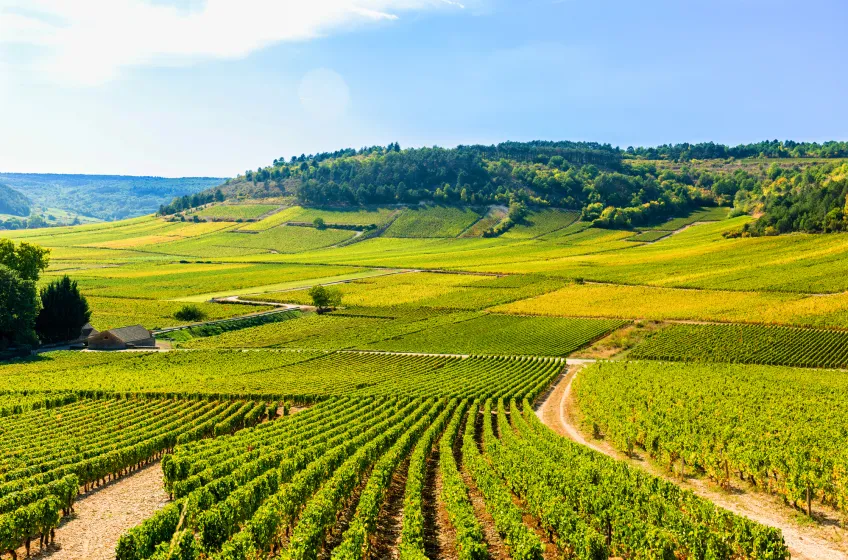
Côte-d'Or is a department in the heart of Burgundy (Bourgogne) in eastern France, famed the world over for its exceptional wines, gourmet cuisine, and rolling vine-clad hills. It’s a region that oozes elegance and history — from the grandeur of Dijon, the regional capital, to the storybook villages scattered along the famed Route des Grands Crus.
Named after the "Golden Slope" (Côte d'Or), which refers to the sun-kissed hillsides where some of the most prestigious vineyards on Earth lie, this is the ultimate destination for wine lovers, history enthusiasts, and anyone with a taste for the finer things in life. Yet it also offers peaceful countryside, forested plateaux, and Romanesque architecture that gives it broad appeal far beyond the wine cellars.
Recommended Côte-d'Or accommodation: Hotels Bed & Breakfasts
Why is Côte-d'Or Worth a Visit?
Côte-d'Or is worth visiting for its remarkable blend of culture, gastronomy, and natural beauty. The region is at the core of Burgundy wine production, including the celebrated villages of Gevrey-Chambertin, Nuits-Saint-Georges, and Puligny-Montrachet. Whether you're a wine connoisseur or a curious novice, the area invites you to explore its ancient wine estates, taste legendary vintages, and walk or cycle through vineyards that have been tended for over a thousand years.
But it’s not all about wine. The department is rich in medieval and Renaissance heritage, with exquisite towns like Beaune and Semur-en-Auxois, and boasts one of France’s most underappreciated capitals in Dijon, a city of mustard, museums, and majestic architecture. And with Burgundy’s emphasis on local produce, you’ll also enjoy some of France’s best food, from truffles and escargots to rich stews like boeuf bourguignon.
Côte-d'Or Highlights: Things to See and Do in Côte-d'Or
Dijon
The capital of Burgundy, Dijon, is a jewel of art, history, and gastronomy. Once the seat of the powerful Dukes of Burgundy, it’s a city of grand mansions, timber-framed houses, shady squares, and impressive churches.
Key attractions include:
-
Palace of the Dukes of Burgundy – now home to the Musée des Beaux-Arts, with a superb collection of European art
-
The Owl Trail (Le Parcours de la Chouette) – a self-guided walking tour around the historic centre following owl markers on the pavement
-
Les Halles Market – designed by Gustave Eiffel, offering regional produce, cheeses, meats, and ready-to-eat delicacies
-
Dijon Mustard shops – like La Moutarderie Fallot, where you can learn about and sample the world-famous condiment
Dijon is sophisticated but relaxed, with excellent restaurants, wine bars, and boutique shopping — and it's a great base for exploring the wider region.
Beaune
Often referred to as the wine capital of Burgundy, Beaune is a stunning walled town famous for its historical architecture and central role in Burgundy’s wine trade.
Don’t miss:
-
Hôtel-Dieu (Hospices de Beaune) – a breathtaking medieval hospital with a polychrome tiled roof and museum inside
-
Marché aux Vins – set in a former church, this tasting room offers the chance to sample dozens of local wines
-
Wine auction (Hospices de Beaune Auction) – held every November and the oldest charity wine auction in the world
Beaune is also surrounded by vineyards and small domaines offering tastings, cellar tours, and unforgettable countryside walks or cycle routes.
Route des Grands Crus
One of the most iconic wine roads in the world, the Route des Grands Crus stretches for about 60 km from Dijon to Santenay, winding through 38 wine-producing villages.
Some of the most prestigious names in French wine lie along this route:
-
Gevrey-Chambertin
-
Vosne-Romanée
-
Nuits-Saint-Georges
-
Puligny-Montrachet
-
Meursault
The road is beautifully scenic and ideal for slow exploration by car or bicycle, with tasting stops, vineyard views, and charming stone villages to linger in. Many domaines offer degustation (tastings), and several have wine museums or boutique shops.
Château du Clos de Vougeot
This historic château lies in the heart of the Grand Cru vineyards and is a symbol of Burgundy’s wine heritage. Originally built by Cistercian monks in the 12th century, Clos de Vougeot now houses the Confrérie des Chevaliers du Tastevin, Burgundy’s renowned wine brotherhood.
Visitors can tour the vast medieval wine presses, wander through the vineyard, and learn about the region's viticultural traditions.
Abbaye de Fontenay
A UNESCO World Heritage Site, the Abbaye de Fontenay is one of the most beautifully preserved Cistercian abbeys in Europe. Located in a secluded valley near Montbard, the 12th-century abbey includes a church, cloister, dormitory, and landscaped gardens.
It offers a powerful sense of peace and history, especially early in the day before the tour buses arrive.
Semur-en-Auxois
A picturesque medieval town perched above the River Armançon, Semur-en-Auxois is known for its pink granite ramparts, Gothic church, and narrow cobbled streets. It’s a quieter, less touristy destination perfect for photographers and those who enjoy authentic local atmosphere.
It also serves as a good base for exploring the Parc Naturel Régional du Morvan just to the west.
Flavigny-sur-Ozerain
Listed among Les Plus Beaux Villages de France, Flavigny is a sleepy hilltop village with medieval charm and cobbled lanes. It's famous for:
-
Anis de Flavigny – a traditional aniseed sweet still produced by monks
-
Being a filming location for Chocolat (2000), starring Juliette Binoche and Johnny Depp
It’s also a place to soak up views, relax in cafés, and enjoy the silence of rural Burgundy.
Côte-d'Or’s Natural Beauty
Beyond the vineyards, Côte-d'Or has lovely forests, lakes, and hiking trails, especially in the Pays de l’Auxois and the Saône Valley.
For nature lovers, consider:
-
Forêt de Châtillon – one of France’s largest forests, great for walking and wildlife spotting
-
Canal de Bourgogne – ideal for cycling, boat rides, or waterside picnics
-
Lakes like Panthier and Grosbois – for swimming, kayaking, or relaxing
Practical Advice for Visitors
Getting There
By train: Dijon is well-connected via TGV from Paris Gare de Lyon (approx. 1 hr 40 min), Lyon, and Strasbourg.
By car: A car is the best way to explore Côte-d'Or at your own pace, especially the wine villages and countryside. Major motorways like the A6 and A31 connect the region to Paris, Lyon, and beyond.
By air: The nearest major airports are Lyon-Saint-Exupéry and Geneva, both around 2–3 hours away. Dole–Jura Airport and Dijon-Bourgogne offer limited regional flights.
Getting Around
-
Driving is ideal for flexibility
-
Cycling the Route des Grands Crus is popular (bikes can be hired in Beaune or Dijon)
-
Local trains connect major towns like Dijon and Beaune
-
Guided wine tours are available if you’d prefer not to drive after tasting
Dining
Côte-d'Or is a dream for food lovers, with countless Michelin-starred restaurants, cosy bistros, and rustic auberges. Culinary specialities include:
-
Boeuf Bourguignon – beef slow-cooked in red wine
-
Coq au Vin – chicken braised in local wine
-
Escargots de Bourgogne – snails with garlic butter
-
Époisses cheese – pungent, creamy, and unforgettable
-
Oeufs en meurette – poached eggs in red wine sauce
Pair any meal with a local Pinot Noir or Chardonnay, and save room for a glass of Crémant de Bourgogne — Burgundy’s sparkling wine.
Shopping
Don’t leave without:
-
Burgundy wine (including Grand Cru if your budget allows)
-
Dijon mustard from traditional producers like Edmond Fallot
-
Local cheeses and charcuterie
-
Ceramics and artisanal products from villages like Noyers-sur-Serein
-
Anis de Flavigny sweets in their classic tins
Markets are held weekly in most towns — Beaune on Saturday mornings and Dijon on Tuesdays, Thursdays, Fridays, and Saturdays.
When to Visit
-
Spring (April–June) – fresh greenery, vineyard buds, and fewer tourists
-
Summer (July–August) – warm, lively, but busier in major towns
-
Autumn (September–October) – harvest season, ideal for wine lovers, golden vines everywhere
-
Winter (November–March) – quieter, great for food, museums, and cosy stays, though some vineyards may be closed
The Hospices de Beaune Wine Auction in November is a highlight for wine collectors and visitors.
Local Events
-
Hospices de Beaune Wine Auction (November) – the most prestigious charity wine auction in the world
-
Fête de la Vigne, Dijon (August) – traditional dancing and wine festivities
-
Vente des Vins, Nuits-Saint-Georges (March) – another important wine auction
-
Jazz à Beaune – summer concerts in vineyard settings
Exploring Beyond Côte-d'Or
If you have extra time:
-
Head into the Morvan Natural Park for lakes and rural tranquillity
-
Visit Chablis (1.5 hours north) for another iconic wine region
-
Stop at Autun, with Roman ruins and a dramatic cathedral
-
Explore Tournus and Cluny for Romanesque churches and monastic history
Côte-d'Or is more than just a destination — it’s a celebration of pleasure, history, and the good life. With its world-famous wines, sumptuous cuisine, and picturesque countryside, this Burgundy heartland offers an unforgettable blend of elegance and authenticity. Whether you’re clinking glasses in a 15th-century wine cellar, wandering ancient streets in Beaune, or simply picnicking beside a vineyard trail, Côte-d’Or is a place to savour slowly and return to often.
Shortlist
- Your Shortlist is empty