
Discover Conwy | A Visitor's Introduction to Conwy
Conwy, a charming medieval town on the north coast of Wales, is known for its well-preserved castle, historic town walls, and scenic location along the Conwy River estuary. A designated UNESCO World Heritage Site, Conwy offers a delightful blend of medieval architecture, picturesque harbour views, and traditional Welsh charm. With its narrow cobbled streets, ancient landmarks, and coastal beauty, Conwy is an ideal destination for history lovers, families, and outdoor enthusiasts alike.
Recommended Conwy Accommodation: Hotels Bed & Breakfasts
Why is Conwy Worth a Visit?
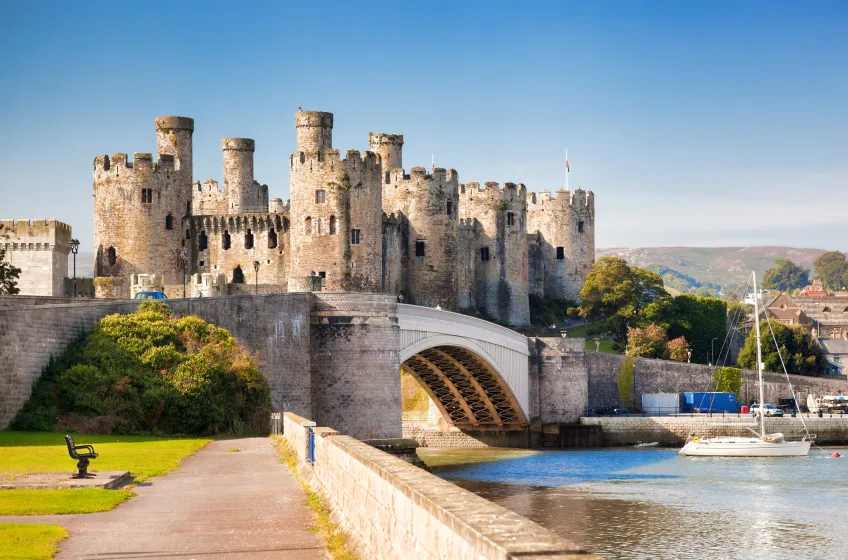
Conwy is worth visiting for its rich historic heritage, captivating scenery, and friendly atmosphere. The town’s standout attraction is Conwy Castle, a stunning 13th-century fortress built by Edward I that overlooks the town and river. Beyond the castle, Conwy’s town walls, harbour, and charming high street provide a glimpse into medieval life while offering plenty of modern conveniences. Conwy is also home to Britain’s smallest house and the impressive Plas Mawr, an Elizabethan townhouse that’s considered one of the finest in the UK.
Conwy’s setting along the Conwy River makes it a great base for exploring North Wales. The nearby Snowdonia National Park offers countless outdoor activities, from hiking and climbing to scenic train rides. Conwy’s vibrant events, welcoming pubs, and local seafood make it a fantastic destination for travellers looking for a blend of history, nature, and local culture.
Conwy Highlights: Things to See and Do in Conwy
1. Conwy Castle
Conwy Castle is the crown jewel of the town, a majestic fortress built by Edward I between 1283 and 1287 as part of his campaign to control Wales. The castle’s eight massive towers, high curtain walls, and breathtaking views of the Conwy estuary and mountains make it one of the most impressive medieval fortresses in Europe. Explore the castle’s great hall, climb the towers for panoramic views, and imagine the lives of those who once defended these ancient walls.
2. Conwy Town Walls
The Conwy Town Walls are some of the best-preserved medieval town walls in Europe, stretching nearly a mile around the town and providing excellent views of Conwy’s historic centre and the surrounding landscape. Walking along the walls is free and offers a unique perspective on the town’s layout and its medieval roots. You’ll find plenty of scenic photo opportunities as you explore this ancient defensive structure.
3. Plas Mawr
Plas Mawr is a beautifully preserved Elizabethan townhouse located on Conwy’s High Street. Built in the 16th century, this elegant house is famous for its intricate plasterwork, brightly painted interiors, and authentic furnishings. Plas Mawr offers a fascinating look at life during the Elizabethan era and is widely considered one of the best examples of Elizabethan architecture in Britain. Audio guides and exhibits bring the house’s history to life.
4. Smallest House in Great Britain
Known as "Y Tŷ Lleiaf ym Mhrydain," the Smallest House in Great Britain is a tiny red-painted building on Conwy’s quay. Measuring just 1.8 metres wide and 3.05 metres high, it’s hard to believe that someone once lived here! This quirky attraction offers a glimpse into the past with a brief tour of its two rooms. A quick visit to the smallest house is a fun and memorable experience, especially for families.
5. Conwy Quay
Conwy’s picturesque quay is a hub of activity, lined with fishing boats, seafood stalls, and scenic views of the river and castle. This is a perfect spot to enjoy freshly caught seafood or an ice cream as you watch the boats bobbing in the harbour. The quay is also home to Conwy Mussels, a local delicacy, and seasonal boat tours that take you along the river and out to the nearby Great Orme peninsula.
6. Aberconwy House
Aberconwy House is a 14th-century merchant’s house and one of the oldest surviving houses in Wales. Now a National Trust property, Aberconwy House showcases the town’s medieval history through period furnishings and exhibits. The house is beautifully preserved and offers a glimpse into daily life in medieval Conwy. It’s a must-visit for those interested in Conwy’s trading history and medieval heritage.
7. Bodlondeb Park
Located just outside Conwy’s town walls, Bodlondeb Park is a lovely green space with scenic trails, picnic areas, and sports fields. The park offers great views over the Conwy estuary and is a peaceful spot to relax or go for a walk. In the spring and summer, the park is filled with blooming flowers, making it a perfect place for a leisurely afternoon.
8. Conwy Suspension Bridge
Built in 1826 by the famous engineer Thomas Telford, the Conwy Suspension Bridge was one of the first road suspension bridges in the world. Today, it’s a pedestrian-only bridge managed by the National Trust and serves as a charming entrance into Conwy. The bridge offers excellent views of the castle and town, and visitors can explore the tollkeeper’s house to learn about the history of the bridge and its role in Welsh transportation.
9. Conwy Mountain (Mynydd y Dref)
For those seeking a bit of adventure, Conwy Mountain offers fantastic hiking opportunities with panoramic views over Conwy, the estuary, and the coast. A short but steep walk to the top rewards hikers with breathtaking scenery and a chance to see the remains of an Iron Age hillfort. It’s an ideal spot for a picnic, and on clear days, you can even see the peaks of Snowdonia in the distance.
10. RSPB Conwy Nature Reserve
The RSPB Conwy Nature Reserve is a beautiful wildlife sanctuary located on the banks of the Conwy estuary. The reserve has several walking trails, bird hides, and ponds, offering opportunities to see a variety of birds and other wildlife. It’s a peaceful spot for nature walks and family outings, with stunning views over the estuary towards the mountains. The visitor centre has information on bird species and events, as well as a café serving local produce.
11. Conwy Morfa Beach
Conwy Morfa Beach, a wide sandy beach with gentle waves, is located just outside the town centre. It’s a perfect spot for beachcombing, picnicking, and enjoying the coastal scenery. The beach offers lovely views of Conwy Castle and is popular with families and locals alike. There’s also a golf course nearby, making it a great place for a relaxing day outdoors.
12. Deganwy Castle
Across the estuary from Conwy lies the ruins of Deganwy Castle, an ancient hilltop fortress that dates back to the 6th century. The site offers a peaceful walk and panoramic views of Conwy, the estuary, and the surrounding coastline. While little remains of the original castle, Deganwy’s elevated position and rich history make it an interesting visit for history enthusiasts and photographers alike.
13. Snowdonia National Park
Conwy is a perfect gateway to Snowdonia National Park, one of Wales’ most beloved destinations for outdoor activities and scenic landscapes. The park offers endless options for hiking, mountain biking, and rock climbing. Popular routes include hikes to the summit of Mount Snowdon and exploring the rugged beauty of Ogwen Valley and Betws-y-Coed. With its close proximity to Conwy, Snowdonia is easily accessible for a day of exploration.
14. Trefriw Woollen Mills
A short drive from Conwy, Trefriw Woollen Mills is a historic working mill where visitors can learn about traditional Welsh textile production. The mill has been in operation since the 19th century and produces beautiful woollen goods, including blankets, scarves, and other traditional Welsh items. The visitor centre offers demonstrations of the weaving and spinning process, and there’s a shop on-site where you can purchase high-quality Welsh textiles.
Practical Advice for Visitors
Getting There
Conwy is well-connected by road and rail. The town is located just off the A55, making it easy to reach by car from major cities in North Wales and beyond. Regular trains connect Conwy with Llandudno, Chester, and Holyhead, offering convenient access from nearby towns and from England. For international visitors, the nearest major airports are in Liverpool and Manchester, both about a 1.5-hour drive away.
Getting Around
Conwy is a compact town that’s easy to explore on foot. Many of the main attractions, including the castle, quay, and town walls, are within a short walk of each other. For exploring further afield, local bus services connect Conwy with nearby towns like Llandudno and Betws-y-Coed. Car rentals are also available and are a good option for those looking to explore the wider Snowdonia area.
Dining
Conwy has a fantastic dining scene that includes traditional pubs, seafood restaurants, and cosy cafés. Many local restaurants focus on fresh, locally sourced ingredients, including seafood from the nearby coast. Be sure to try Conwy mussels, a local delicacy. Popular options include the Castle Hotel for traditional fare, Watson’s Bistro for a modern twist on Welsh cuisine, and Parisella’s Ice Cream Parlour on the quay for a sweet treat.
Shopping
Conwy’s town centre is full of independent shops and boutiques offering a variety of unique finds. Look for local crafts, Welsh woollens, art, and handmade souvenirs. The town also has a popular weekend market, where you can pick up fresh produce, cheeses, and artisanal goods. Conwy’s high street offers a relaxed shopping experience with a focus on quality local products.
When to Visit
Conwy is a beautiful destination year-round. Spring and summer are ideal for exploring the outdoors, with mild weather and long days. Autumn brings stunning colours to the surrounding countryside, while winter adds a cosy charm to the town, with festive events and fewer crowds. Conwy also hosts several annual events, including the Conwy Honey Fair in September and the Conwy Food Festival in October, which showcase local produce and traditions.
Local Events
Conwy has a lively events calendar, with highlights including the Conwy Medieval Festival, which features costumed parades and reenactments, and the Conwy River Festival, celebrating the town’s maritime heritage. The annual Conwy Food Festival brings together local vendors and culinary events, offering a taste of the best food North Wales has to offer.
Exploring Beyond Conwy
Conwy’s location on the North Wales coast makes it an excellent base for exploring the region. The lively seaside town of Llandudno, the mountain village of Betws-y-Coed, and the majestic peaks of Snowdonia National Park are all within easy reach. The Isle of Anglesey, with its scenic coastal paths and historic sites, is also just a short drive away and makes for a great day trip.
Shortlist
- Your Shortlist is empty