
Discover Cherbourg | A Visitor's Introduction to Cherbourg
Cherbourg-en-Cotentin, or simply Cherbourg, is a vibrant port city on the northern tip of the Cotentin Peninsula in the Manche department of Normandy. Facing the English Channel, this maritime town is steeped in naval history, known for its dramatic harbour—the largest artificial harbour in the world—and its deep connections to seafaring, emigration, and wartime history. Today, Cherbourg is a lively gateway to Normandy, with a mix of modern culture, historic architecture, seafood cuisine, and spectacular coastal landscapes.
Perfect for ferry travellers, history buffs, foodies, and anyone exploring the Cotentin coast, Cherbourg combines seaport energy with Norman charm. Whether you're visiting for a few hours or using it as a base to explore the peninsula, Cherbourg is more than just a stop—it’s a destination in its own right.
Recommended Cherbourg Accommodation: Hotels Bed & Breakfasts
Why is Cherbourg Worth a Visit?
Cherbourg is worth visiting for its fascinating blend of maritime history, cultural attractions, and striking natural surroundings. It has played major roles in naval defence, transatlantic travel, and even the Titanic story. The city’s impressive harbour, fortified by Napoleon, is a feat of engineering, while its modern museums bring the stories of sailors, emigrants, and soldiers to life.
Beyond the docks and warships, Cherbourg boasts a surprisingly pleasant town centre with gardens, squares, art deco buildings, and a good selection of shops, cafés, and restaurants. Its position makes it a strategic base for exploring the Cotentin Peninsula’s coastal beauty, from Cap de la Hague to Barfleur.
Cherbourg Highlights: Things to See and Do in Cherbourg
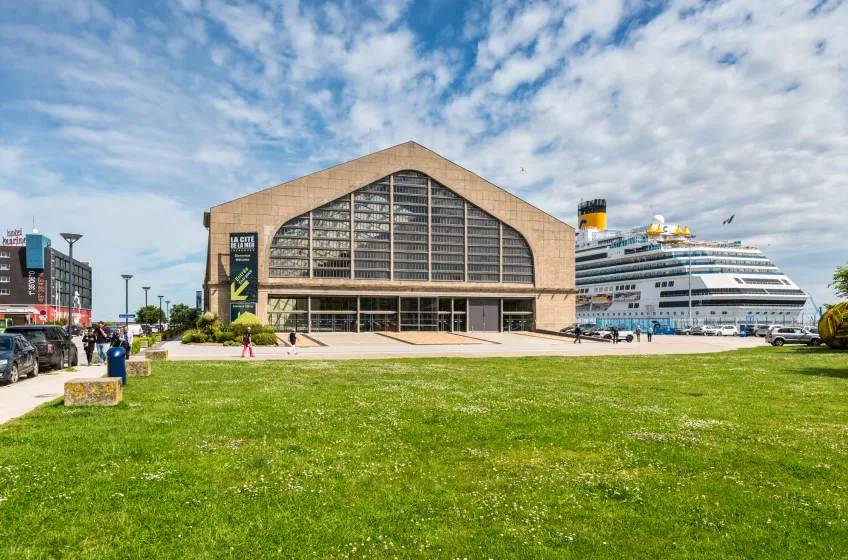
Cité de la Mer
Cherbourg’s star attraction, the Cité de la Mer (City of the Sea), is a vast maritime museum located in the town’s old transatlantic terminal. The building itself is a stunning example of Art Deco architecture. Inside, visitors can explore:
-
Le Redoutable, the largest submarine open to the public in the world.
-
Titanic Exhibition, telling the story of the ship’s last port of call in Cherbourg.
-
The Ocean of the Future, a vast aquarium experience.
-
Virtual undersea exploration and a section on oceanic technology.
It’s immersive, family-friendly, and brilliantly done—plan for at least half a day here.
Cherbourg Harbour and Fortifications
The harbour is an engineering marvel, stretching over 4 km in length and guarded by historic forts. Napoleon had the breakwaters built in the early 19th century to protect against British attacks. Boat tours around the harbour are available in summer, offering views of the forts and breakwaters from the water.
Jardin de la Roche Fauconnière and Parc Emmanuel Liais
Cherbourg is surprisingly green, with well-kept public gardens ideal for a peaceful stroll. Parc Emmanuel Liais, named after a local astronomer and explorer, is home to rare plants and a small museum of natural history. La Roche Fauconnière, though not always open to the public, is a stunning private botanical garden on the outskirts of town.
Basilique Sainte-Trinité
The town’s main church, Sainte-Trinité, dates back to the 11th century and combines Romanesque and Gothic styles. It’s located in the centre of town and offers a tranquil place for reflection. Look out for the stained glass windows and ornate stonework.
Musée Thomas Henry
Art lovers should not miss this fine arts museum, which boasts a solid collection of paintings, including works by Corot, Millet, and other French masters. It’s named after a local philanthropist who donated the initial collection and is a quiet cultural gem in the heart of the city.
Le Trident Theatre and Cultural Life
Cherbourg has a lively cultural scene, anchored by Le Trident, a national theatre offering a mix of contemporary drama, music, and dance performances. Concerts, film screenings, and seasonal festivals fill out the calendar, especially in summer.
Cherbourg Market and Shopping Streets
The covered market (Les Halles), located near Place Centrale, offers fresh produce, cheeses, fish, and local delicacies. Market days bring the town to life, especially on Tuesdays, Thursdays, and Saturdays. The surrounding pedestrianised streets feature a mix of fashion boutiques, bookshops, and speciality food stores.
Practical Advice for Visitors
Getting There
Cherbourg is the main ferry port for travel between France and the UK, with regular services to Poole and Portsmouth (via Brittany Ferries and Condor Ferries). By train, direct services run from Paris Saint-Lazare to Cherbourg in around 3 hours 20 minutes. Driving from Caen takes about 1 hour 30 minutes.
Parking
There are plenty of public car parks in and around the city centre, most of which are free for a couple of hours or reasonably priced. The area around the ferry terminal has long-term parking options if you're catching a ferry.
Dining
As a coastal city, Cherbourg is a paradise for seafood lovers. Try:
-
Le Pily, a modern bistro offering creative cuisine with local ingredients.
-
L’Antidote, known for fresh fish and harbour views.
-
Le Plouc 2, for a cosy, traditional Norman experience. Crêperies, brasseries, and seaside cafés are scattered throughout the town and port area. Don’t miss local oysters, mussels, and scallops, along with Normandy cider or Calvados.
Shopping
Cherbourg is home to La Manufacture, where the renowned Cherbourg Umbrellas (Parapluie de Cherbourg) are made—elegant, high-quality umbrellas that have become a local symbol and make unique gifts. Food shops sell regional specialities such as caramels, salted butter, cheese, cider, and Calvados.
When to Visit
Cherbourg can be visited year-round, but the best months are May to September, when the weather is mild and the sea breezes are refreshing. Summer brings festivals, outdoor events, and more opportunities for harbour boat trips. Spring and autumn are quieter and pleasant for walking. Winters are stormy and dramatic—ideal for photographers and lovers of rugged coastal moods.
Local Events
-
Festival Voiles de la Liberté (July): A maritime festival with historic ships and naval parades.
-
Les Art’zimutés (June): A music and arts festival on the beach, with a fun, bohemian vibe.
-
Film and Theatre festivals hosted by Le Trident and local cinemas throughout the year.
-
Christmas market and lights, bringing a festive atmosphere in December.
Exploring Beyond Cherbourg
Cherbourg makes an excellent base for day trips around the Cotentin Peninsula:
-
Cap de la Hague: Wind-blasted cliffs, moorland, and lighthouses on the western edge.
-
Barfleur: A beautiful fishing village with a scenic harbour and nearby lighthouse.
-
Sainte-Mère-Église and Utah Beach: Key sites from the D-Day landings, less than an hour away.
-
La Cité de la Mer can be paired with a visit to Val de Saire, known for cider and seafood.
Shortlist
- Your Shortlist is empty