
Discover Chambord | A Visitor's Introduction to Chambord
Recommended places to visit, places to stay and things to do in and around Chambord
Chambord is a small village in the Loir-et-Cher department of France’s Centre-Val de Loire region, best known as the site of the magnificent Château de Chambord — one of the most iconic and extravagant Renaissance castles in the world. Nestled in the heart of the largest enclosed forest park in Europe, Chambord is surrounded by natural beauty, tranquil waterways, and timeless French charm. Perfect for lovers of architecture, history, and nature, Chambord is a quiet yet awe-inspiring destination that offers a rich blend of grandeur and serenity.
Recommended Chambord Accommodation: Hotels Bed & Breakfasts
Why is Chambord Worth a Visit?
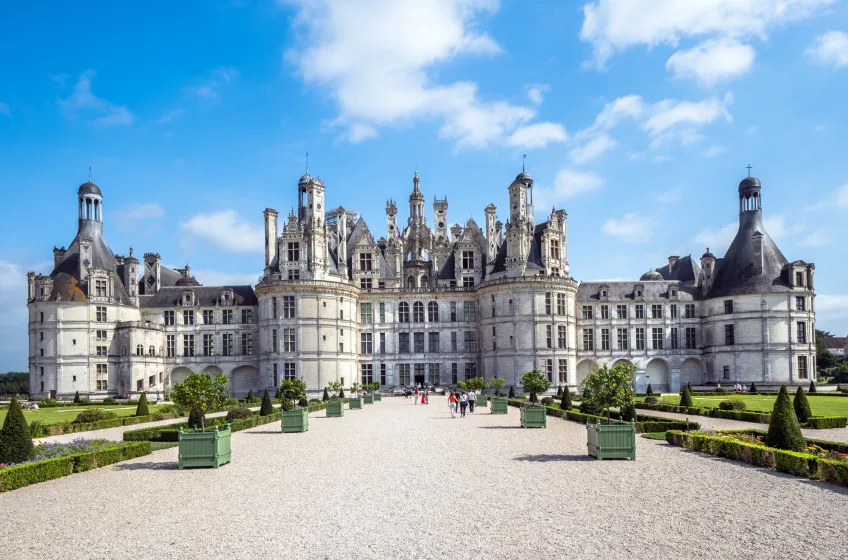
Chambord is worth visiting primarily for the sheer spectacle of its château — a masterpiece of Renaissance architecture and a symbol of royal ambition. Commissioned by King François I in the 16th century, Château de Chambord is an unparalleled fusion of medieval fortress design and early modern opulence, complete with 426 rooms, 282 fireplaces, and 77 staircases. But there’s more to Chambord than just the château. The surrounding Domaine National de Chambord spans over 13,000 acres of forests, moorlands, and canals — a haven for wildlife and a paradise for walkers, cyclists, and nature lovers.
The atmosphere in Chambord is calm and contemplative. Unlike the busier Loire Valley towns such as Tours or Amboise, Chambord has preserved its peaceful, rural character, making it a wonderful stop for travellers wanting to slow down and experience France at a gentler pace. Whether you're marvelling at architectural details, strolling through ancient woodlands, or enjoying a glass of Loire Valley wine at a nearby inn, Chambord offers a uniquely refined escape.
Chambord Highlights: Things to See and Do in Chambord
Château de Chambord
The undisputed star of the village, Château de Chambord is one of France's most famous and visited castles. Built as a hunting lodge for King François I, the château is a showcase of French Renaissance grandeur. The most famous feature is the double-helix staircase, believed to have been inspired by Leonardo da Vinci, who was closely associated with the king.
Visitors can explore the castle’s many levels, grand halls, apartments, and terraces, which offer panoramic views of the surrounding forest. The interiors are furnished to reflect different periods of the château's history, including the time of Louis XIV. Audio guides and immersive exhibitions help bring its story to life. Don't miss the rooftop walk — it feels like strolling through a fantastical village of turrets, chimneys, and sculpted stone.
Domaine National de Chambord
The castle is set within a vast enclosed park — the largest of its kind in Europe. Covering 5,440 hectares, the Domaine National de Chambord is crisscrossed by walking and cycling paths, and is home to wild deer, boar, and countless bird species. Electric buggies and bikes are available for hire, and there are regular 4x4 safari tours to spot the wildlife.
If you’re up for it, try one of the observation towers dotted around the park to catch a glimpse of deer during the rutting season (autumn is best). The park is also ideal for a leisurely picnic or a long, meditative walk beneath the oaks and pines.
Boat and Canoe Rides on the Cosson River
A gentle tributary of the Loire, the Cosson winds its way through Chambord’s estate and offers a picturesque way to see the château from a different perspective. In the warmer months, you can rent a traditional flat-bottomed boat or a canoe and paddle past the château’s elegant façade mirrored in the water. It’s a wonderfully tranquil activity that reveals the château's scale and symmetry.
Equestrian and Falconry Shows
Chambord’s royal heritage is celebrated with spectacular equestrian and falconry displays held in the stables near the château. These shows, which run from April to October, combine pageantry with historical storytelling and are particularly popular with families. The horses, costumes, and trained birds of prey offer a lively insight into the courtly traditions of the Renaissance era.
Les Jardins à la Française (The Formal Gardens)
Restored in recent years to their original 18th-century design, the château’s formal gardens are a delight to wander through. With manicured lawns, geometric flowerbeds, and tree-lined alleys, these gardens provide a peaceful counterpoint to the grandiosity of the château itself. They’re also a great spot for photography or simply taking in the castle from afar.
The Village of Chambord
Though tiny, the village itself has a few charming features, including artisan boutiques, cafés, and restaurants housed in traditional stone buildings. There’s also a small church and a tourist information centre. It's worth spending a little time exploring the area around the château on foot, enjoying the slower pace of life and picking up local treats such as honey, wine, and wild game pâté.
Maison des Vins de Chambord
Located at the château’s entrance, this wine shop and tasting room is dedicated to showcasing wines from the AOC Cheverny and Cour-Cheverny appellations, both of which are produced in the surrounding area. You can sample crisp Sauvignon blends and the rare Romorantin grape while learning about local terroir. It's an excellent place to pick up a bottle to take home.
Cycling Through the Estate
With more than 20km of dedicated cycle routes, Chambord is ideal for visitors who enjoy exploring on two wheels. You can hire bikes directly from the château grounds. The flat terrain and well-maintained paths make it suitable for all ages, and the scenery — from forested lanes to château views — is endlessly rewarding.
Château de Villesavin
Just a short drive (6km) from Chambord, this smaller, privately-owned château was built by Jean le Breton, who supervised the construction of Chambord. It’s a more intimate site, often less crowded, and offers insights into the lives of the nobility who supported royal projects. There's a museum of wedding traditions on-site and often events aimed at children.
Practical Advice for Visitors
Getting There
Chambord is located in the heart of the Loire Valley, roughly 180km south of Paris. If you’re driving, it takes around two hours via the A10 motorway. The château has its own dedicated exit (Exit 16, Mer) off the A10, making it very easy to find.
For public transport, the nearest train station is Blois-Chambord, which is served by regular trains from Paris Austerlitz (about 1.5 hours). From Blois, you can take a shuttle bus (operating seasonally) or a taxi to Chambord (about 20–25 minutes).
Cyclists touring the Loire à Vélo route often make Chambord a scenic detour.
Parking
There is ample parking available near the château, with several large car parks about 300–500 metres from the entrance. Parking fees apply — around €6 for the day — and the lots are well signposted. During busy summer weekends and holidays, it’s best to arrive early.
Dining
There are several excellent places to eat around the château and village. Le Grand Saint-Michel, located just opposite the château, offers refined French cuisine and gorgeous château views from the terrace. For something more casual, Le Saint Louis in the village has a hearty bistro menu with local game and seasonal dishes.
There’s also a self-service café on the château grounds, suitable for families and quicker meals. In warmer months, a picnic in the park is a relaxing option — just be sure to pick up your supplies in advance, as shops in Chambord are limited.
Nearby towns like Bracieux and Muides-sur-Loire offer additional dining choices, including rustic inns and wine-focused restaurants.
Shopping
Chambord’s shops are small but focused on quality. Within the château’s visitor centre, you’ll find a tasteful gift shop with books, homeware, and regional produce. The Maison des Vins is excellent for wine buying, and there are a few artisan shops selling local honey, preserves, and handcrafts.
If you’re looking for more variety, head to Blois, which has a wider range of boutiques, markets, and high street stores.
When to Visit
Spring (April to June) and autumn (September to October) are the best times to visit Chambord. The weather is mild, the park is at its most colourful, and the crowds are smaller than in peak summer.
Summer (July and August) is beautiful but busy, especially on weekends and public holidays. Arrive early in the day if visiting then. The château and park are open year-round, and winter has its own charm — mist over the moats, frost-dusted trees, and a peacefulness that feels almost magical.
Local Events
-
Festival de Chambord (July): This classical music festival brings internationally renowned performers to the château’s courtyards and gardens. It’s a sublime experience combining high art and historic surroundings.
-
Rutting Season Observations (Mid-September to early October): Wildlife enthusiasts flock to the park to witness the dramatic calls and clashes of stags during rutting season. Early mornings and evenings are best.
-
Christmas at Chambord (December): The château is decorated in festive splendour, with special events, concerts, and workshops for families.
Exploring Beyond Chambord
If you have time, the surrounding Loire Valley is full of beautiful châteaux and villages. Within a 30-minute drive you’ll find:
-
Château de Blois: A fascinating and architecturally diverse château in the lively town of Blois, which also offers shops, restaurants, and museums.
-
Château de Cheverny: A stately, fully-furnished château that inspired Hergé’s Marlinspike Hall in Tintin. Don’t miss the pack of hunting dogs and the modern Tintin exhibition.
-
Beaugency: A pretty riverside town with medieval architecture, a historic bridge, and charming streets perfect for a quiet wander.
-
Bracieux: A small town known for its markets and chocolate shops — ideal for picking up edible souvenirs.
Final Thoughts
Chambord is a destination that blends the grandeur of royal history with the tranquility of rural France. Whether you're marvelling at the architectural mastery of the château, exploring the vast estate by bike, or savouring a glass of local wine, Chambord offers a unique and enriching experience. It’s not just a stop on a château tour — it’s a place where time slows down, and the splendour of France’s Renaissance past comes to life.
Shortlist
- Your Shortlist is empty