
Discover Caudebec-en-Caux | A Visitor's Introduction to Caudebec-en-Caux
Caudebec-en-Caux is a picturesque riverside town in the Seine-Maritime department of Normandy, France, nestled on the banks of the River Seine between Rouen and Le Havre. Now part of the larger commune of Rives-en-Seine, it remains affectionately known by its historic name. With its charming medieval streets, impressive Gothic church, scenic river views, and maritime history, Caudebec-en-Caux is a peaceful yet fascinating destination for travellers seeking heritage, nature, and Norman charm off the beaten path.
Recommended Caudebec-en-Caux Accommodation: Hotels Bed & Breakfasts
Why is Caudebec-en-Caux Worth a Visit?
Caudebec-en-Caux is worth visiting for its serene location along a broad and meandering stretch of the Seine, surrounded by green hills and woodlands. The town has long been an important stop along the river, historically serving as a key port and market town. Its rich past is visible in the beautiful architecture of the Notre-Dame Church and the medieval houses dotted throughout the centre.
It offers a slower, more intimate experience of Normandy—away from crowds but full of character. It’s also ideally placed for exploring the nearby Parc naturel régional des Boucles de la Seine Normande, an area of exceptional natural beauty filled with walking and cycling paths, traditional thatched cottages, and riverside villages. Whether you’re passing through on a road trip or staying a few days to unwind, Caudebec-en-Caux delivers a peaceful, authentic slice of French life.
Caudebec-en-Caux Highlights: Things to See and Do in Caudebec-en-Caux
Église Notre-Dame de Caudebec-en-Caux
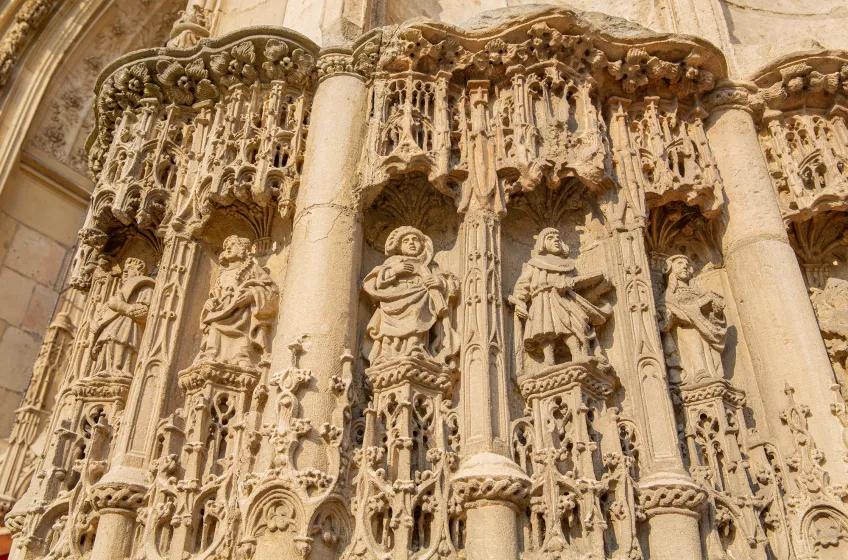
This stunning 15th-century Gothic church is one of the most beautiful in Normandy. Often compared to larger cathedrals in style and quality, it features delicate stone tracery, a richly decorated façade, and stained glass windows that date back to the Renaissance. Victor Hugo once praised its architecture, and it’s a must-see for anyone visiting the town.
MuséoSeine – The Seine River Museum
This engaging museum explores the relationship between people and the Seine over the centuries. Through interactive exhibits, models, and archival footage, MuséoSeine tells the story of river trade, fishing, local boat-building, and life along the Seine from the Middle Ages to the present. It’s especially popular with families and anyone interested in regional heritage.
Promenade Along the Seine
The riverside promenade offers lovely views of the water, particularly in the golden light of early morning or late afternoon. The walk passes through landscaped gardens, moorings for leisure boats, and offers seating areas perfect for picnics or people-watching. You can also catch glimpses of the impressive Pont de Brotonne, a sweeping cable-stayed bridge that spans the Seine nearby.
Maison des Templiers
One of the oldest buildings in Caudebec-en-Caux, the Maison des Templiers dates back to the 12th century and is a rare example of Romanesque civil architecture in Normandy. Despite its name, there’s no confirmed link to the Templars, but the building itself is a fascinating piece of history. It now houses temporary exhibitions and cultural events.
Parc naturel régional des Boucles de la Seine Normande
Caudebec-en-Caux serves as a gateway to this regional natural park, an area of woodlands, marshes, and pastoral countryside shaped by the loops of the River Seine. Walking and cycling trails abound, and nature lovers can spot herons, storks, and even wild orchids in spring. The park is dotted with thatched cottages, small farms, and traditional Norman villages, perfect for slow exploration.
Pont de Brotonne
Completed in 1977, this modern bridge connects the two banks of the Seine and is a striking piece of engineering in its own right. From the riverside or the bridge itself, you get spectacular views over the water and surrounding landscape. It’s especially beautiful at sunset and makes for dramatic photos.
Local Markets and Gastronomy
Caudebec hosts a traditional Norman market every Saturday, where you’ll find seasonal produce, local cheeses, cider, and more. For foodies, this is a great place to pick up picnic supplies or sample regional delicacies like tarte normande, andouille de Vire, and fresh seafood brought upriver from the coast.
L'Abbaye Saint-Wandrille (Nearby)
Just a short drive from Caudebec, the working Benedictine abbey of Saint-Wandrille is a tranquil and spiritual retreat nestled in the forest. You can visit the ruins of the medieval abbey and the newer monastic buildings, where the monks still live and work. The peaceful gardens and surrounding woods make it an ideal side trip.
Practical Advice for Visitors
Getting There
Caudebec-en-Caux is best reached by car, located about 45 minutes west of Rouen. It’s situated along the D490, which follows the scenic curves of the Seine. If travelling by public transport, buses link the town with Rouen, although services can be infrequent, especially on weekends. It’s a popular stop for those touring the Seine Valley or en route to the coast at Fécamp or Étretat.
Parking
Free parking is available in and around the town centre, including near the church, riverfront, and museum. During summer weekends or local events, it’s best to arrive early for the most convenient spots.
Dining
Caudebec-en-Caux offers several charming restaurants and cafés serving regional cuisine. La Croix Blanche is a well-loved brasserie near the church, known for hearty Norman dishes. Le Bec au Cauchois, a Michelin-starred restaurant nearby, offers a more refined dining experience with creative takes on local ingredients. For a casual bite, riverside cafés serve crêpes, galettes, and local cider.
Shopping
While Caudebec isn’t a shopping destination per se, the Saturday market is excellent for local products. Artisanal shops in town offer handmade crafts, regional food items, and souvenirs like Normandy cider, honey, and traditional pottery.
When to Visit
Spring and summer are the best times to visit Caudebec-en-Caux, when the weather is pleasant and the riverside paths and gardens are in bloom. Autumn brings beautiful foliage to the surrounding forests and vineyards, while winter offers a quiet, introspective atmosphere perfect for cosy walks and fireside meals.
Local Events
Each July, the town hosts La Fête de la Mer, celebrating Caudebec’s maritime history with boat parades, music, and seafood tastings. Occasional concerts, open-air theatre, and temporary exhibitions are also held in the Maison des Templiers and the church. Local brocantes (flea markets) and village fairs offer a chance to mingle with locals and hunt for treasures.
Exploring Beyond Caudebec-en-Caux
The surrounding Seine Valley is rich with charming villages, abbeys, and natural beauty. Aside from Saint-Wandrille, nearby Villequier is home to the Victor Hugo Museum, housed in the former residence of his family. Jumièges Abbey, one of the most striking monastic ruins in France, is just a short drive away and set in a tranquil riverside location. The cliffs and coastal towns of the Alabaster Coast are about 45 minutes to the north.
Shortlist
- Your Shortlist is empty