
Discover Carentan | A Visitor's Introduction to Carentan
Carentan-les-Marais, more commonly known simply as Carentan, is a small yet historically significant town in the Manche department of Normandy, nestled between the Cotentin Peninsula and the D-Day landing beaches. Surrounded by the vast marshlands of the Parc naturel régional des Marais du Cotentin et du Bessin, Carentan offers a unique mix of wartime history, natural beauty, and quiet Norman charm. Once a strategic stronghold in World War II, it’s now a peaceful and friendly base for exploring the surrounding region.
Recommended Carentan Accommodation: Hotels Bed & Breakfasts
Why is Carentan Worth a Visit?
Carentan is worth visiting for its critical role in the Battle of Normandy, its picturesque setting along the canals and marshes, and its access to some of Normandy’s most poignant and scenic destinations. The town was a key link between Utah and Omaha beaches, and its liberation by American paratroopers in June 1944 played a vital role in the Allied victory. Today, Carentan remains deeply connected to its wartime legacy while embracing its status as a peaceful riverside town.
The surrounding marshlands are part of a protected natural park, making Carentan an excellent destination for birdwatching, cycling, and eco-tourism. Whether you’re interested in WWII, rural France, or just want a quieter base away from the tourist crowds, Carentan is a smart and rewarding choice.
Carentan Highlights: Things to See and Do in Carentan
D-Day Historical Sites
Carentan’s importance during the D-Day campaign makes it a must-visit for military history enthusiasts. The Battle of Carentan was crucial in connecting the Utah and Omaha beachheads, and the town changed hands after fierce fighting between American paratroopers and German forces.
Look for plaques and memorials around town, including:
-
The Purple Heart Lane Monument at the entrance to town.
-
101st Airborne Museum (Dead Man's Corner Museum) just outside Carentan in Saint-Côme-du-Mont, dedicated to the 101st Airborne Division. It’s located in a German command post and filled with personal stories, uniforms, and immersive exhibits.
-
Carentan Liberty Group offers guided tours and reenactments during the D-Day commemorations.
Marina and Port
Carentan’s marina is one of the town’s prettiest features. With its canal-side walkways, moored sailboats, and peaceful atmosphere, it’s perfect for a relaxed stroll or evening meal. The canal connects to the sea and offers picturesque boat trips and kayaking opportunities in summer. There's a cycle path along the water that continues into the countryside, ideal for slow-paced exploration.
Notre-Dame Church
This impressive Gothic church in the heart of Carentan was damaged during the war but has since been lovingly restored. Inside, you’ll find stunning stained glass, peaceful chapels, and tributes to the town’s liberation. It’s a quiet, reflective spot that offers insight into both local faith and resilience.
Town Centre and Weekly Market
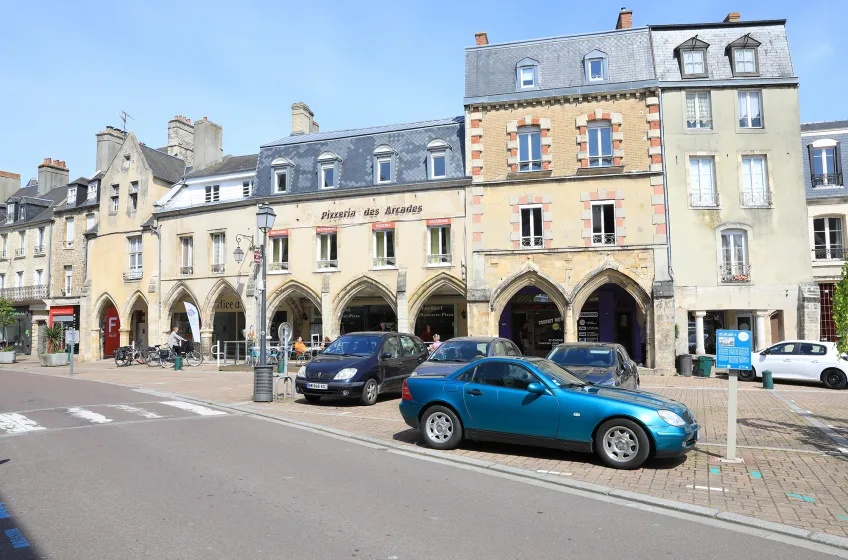
Carentan’s compact centre features a mix of stone buildings, cafés, and independent shops. The atmosphere is relaxed and friendly, particularly on Monday mornings, when the lively weekly market takes place in the town square. Stalls sell everything from local cheeses, cider, and charcuterie to flowers, clothes, and antiques.
Parc naturel régional des Marais du Cotentin et du Bessin
Carentan is surrounded by this beautiful regional park, known for its vast marshes, wetlands, and birdlife. From winter floods to lush green summers, the changing landscape is ideal for photography, walking, and birdwatching. Boat rides and guided nature tours are available in season, and cycling routes provide an excellent way to explore the quiet countryside.
Musée D-Day Experience (Nearby)
Located in Saint-Côme-du-Mont just a few minutes from Carentan, this popular museum includes the Dead Man’s Corner Museum and an immersive 3D flight simulator that recreates a paratrooper jump over Normandy. It’s well-curated, family-friendly, and an essential stop for anyone exploring the D-Day story.
Practical Advice for Visitors
Getting There
Carentan is well-connected by train and road. Direct trains from Paris Saint-Lazare to Carentan take around 2.5–3 hours, and the station is within walking distance of the town centre. By car, it’s approximately 1 hour 15 minutes from Caen and 45 minutes from Cherbourg. It’s ideally located for visits to Utah Beach, Sainte-Mère-Église, and Bayeux.
Parking
Parking in Carentan is easy and free in most places, including near the marina and market square. On market days or during D-Day commemorations in early June, it's wise to arrive early to find a convenient space.
Dining
Carentan offers a good mix of traditional Norman eateries and casual dining. Le Derby is popular for local dishes like duck breast, seafood, and Norman apple desserts. La Renaissance offers a refined menu with regional flavours. For a relaxed bite, crêperies and cafés near the port serve savoury galettes, cider, and fresh pastries.
Shopping
In addition to the market, Carentan has small boutiques and delicatessens selling regional products such as cider, Calvados, honey, cheese, and apple treats. Look out for WWII-themed souvenirs and books in local shops, particularly during D-Day anniversary events.
When to Visit
The best time to visit Carentan is between May and September, when the weather is mild and most museums and outdoor attractions are open. June is particularly significant for the D-Day commemorations, with parades, reenactments, and special tours. Spring and autumn are quieter and ideal for birdwatching and walking in the marshes. Winter brings peace and a misty beauty to the landscape but with reduced tourist services.
Local Events
-
D-Day Commemorations (Early June): Reenactments, parades, and ceremonies honour the town’s liberation.
-
Fête de la Libération (Carentan Liberty Festival): Includes parades of WWII vehicles, vintage fashion, swing dancing, and concerts.
-
Birdwatching Weekends (Spring and Autumn): Organised tours and events in the marshes.
-
Christmas Market: Held in December with lights, local food, and holiday cheer.
Exploring Beyond Carentan
Carentan is perfectly placed for visiting:
-
Utah Beach and the Utah Beach Landing Museum (20 minutes by car).
-
Sainte-Mère-Église, home to the Airborne Museum and famous parachute-stuck-on-the-church scene (15 minutes).
-
Bayeux, with its medieval centre and famous tapestry (40 minutes).
-
Cherbourg, for the Cité de la Mer museum and ferry connections to the UK (45 minutes).
-
The Cotentin countryside, full of cider farms, manor houses, and coastal paths.
Shortlist
- Your Shortlist is empty