
Discover Burnley | A Visitor's Introduction to Burnley
Burnley is a proud Lancashire town with a storied industrial past, set amidst the rolling landscapes of the Pennine hills. Once a global centre of cotton weaving, Burnley is now a town blending heritage, natural beauty, and down-to-earth northern character. Its canal-side mills, historic halls, and surrounding moorland make it an ideal destination for history enthusiasts, walkers, and those looking to explore the real heart of East Lancashire. With rejuvenated public spaces, award-winning parks, and a strong local identity, Burnley offers an authentic and rewarding travel experience.
Recommended Burnley Accommodation: Hotels Bed & Breakfasts Pub Accommodation
Why is Burnley Worth a Visit?
Burnley is worth visiting for its unique combination of industrial heritage, scenic countryside, and strong sense of community. The Leeds and Liverpool Canal threads through the town, alongside some of the best-preserved Victorian mills in the country, while the nearby hills and moors offer panoramic views and invigorating walks. The town is also home to one of England’s oldest professional football clubs, Burnley FC, whose passionate local support defines the town’s sporting spirit.
Culturally, Burnley has been undergoing a quiet renaissance, with new arts spaces, independent shops, and lively local events adding a contemporary edge to its historic core. Whether you're marvelling at Georgian architecture, exploring wooded valleys, or tucking into Lancashire classics at a cosy café, Burnley reveals its character in every corner.
Burnley Highlights: Things to See and Do in Burnley
Towneley Hall
Set in 400 acres of stunning parkland, Towneley Hall is Burnley’s crown jewel. This historic house was the ancestral home of the Towneley family for over 500 years and is now a museum and art gallery. Inside, visitors can explore period rooms, Victorian galleries, and exhibitions of fine and decorative art. The surrounding Towneley Park is perfect for walking, picnicking, or simply relaxing amid nature.
The Weavers’ Triangle
Located along the Leeds and Liverpool Canal, the Weavers’ Triangle is one of the best-preserved Victorian industrial areas in Britain. With its cobbled streets, towering mill chimneys, and canal-side warehouses, it offers a glimpse into Burnley's past as a textile powerhouse. The Visitor Centre provides engaging exhibits on the town’s industrial history, and boat trips on the canal are often available in summer.
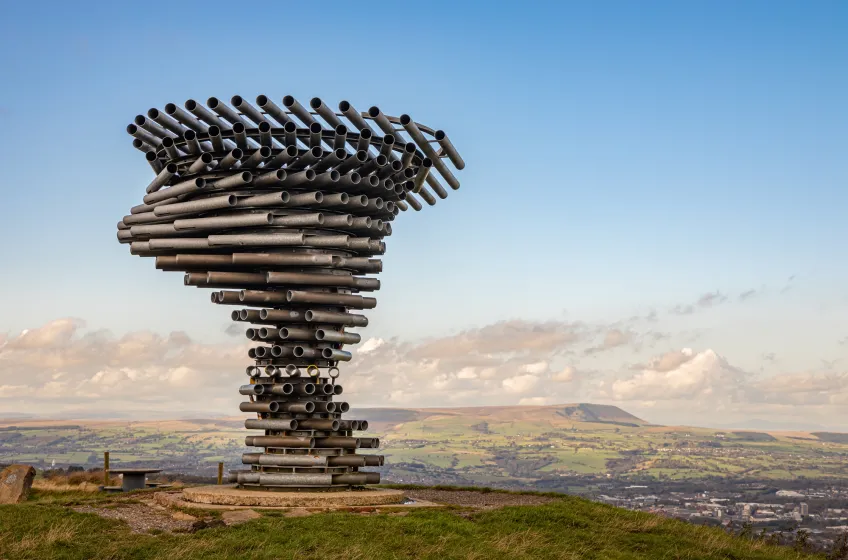
Singing Ringing Tree
This award-winning sculpture stands on the moors above Burnley and is part of the Panopticons series. Made of galvanized steel pipes, the Singing Ringing Tree produces eerie, wind-powered music as the breeze blows through it. The walk to the sculpture offers spectacular views across the town and into the Ribble Valley, making it a favourite with walkers and photographers.
Turf Moor – Home of Burnley FC
For football fans, a matchday at Turf Moor is a quintessential Lancashire experience. Burnley FC is one of the founding members of the Football League and enjoys a loyal following. Even if you’re not there on match day, a stadium tour offers a fascinating look behind the scenes of one of England’s most historic clubs.
Thompson Park
Thompson Park is a beautifully maintained Edwardian park close to the town centre, featuring a boating lake, formal gardens, a miniature railway, and riverside walks. It’s especially popular with families in the summer, and the ornamental flower beds make it one of the most colourful spots in town during spring.
Queen Street Mill Textile Museum
The last surviving 19th-century steam-powered weaving mill in the world, Queen Street Mill is a UNESCO-recognised heritage site. Here, visitors can witness the thunder of the original Lancashire looms in action and learn about the daily lives of the workers who powered Britain’s industrial rise. It's a must for anyone interested in industrial or social history.
Gawthorpe Hall
Just north of the town centre, Gawthorpe Hall is a Jacobean gem nestled in woodland. Often referred to as the "Downton Abbey of the North," this National Trust property features elegant interiors and an impressive collection of textiles. The surrounding grounds and woodland trails are perfect for a peaceful stroll.
Burnley Mechanics Theatre
This Grade II listed building is now a buzzing arts venue, offering live music, comedy, theatre, and film. Originally built in 1855 as a place of learning for workers, it’s a lovely blend of Victorian architecture and modern entertainment, right in the heart of town.
Leeds and Liverpool Canal
One of Britain’s longest canals, this stretch through Burnley is particularly scenic. The famous Burnley Embankment, known locally as the "Straight Mile," carries the canal high above the town and offers a unique perspective. Walk or cycle along the towpath, or take a canal boat trip when available.
Ightenhill Park and Padiham Greenway
For more peaceful green spaces, Ightenhill Park is a quiet retreat with views over the surrounding hills. The Padiham Greenway, a converted railway line, now offers a great route for walking or cycling between Burnley and the nearby town of Padiham.
Practical Advice for Visitors
Getting There
Burnley is well-connected by rail and road. The town has two main railway stations — Burnley Central and Burnley Manchester Road — with direct trains to Manchester, Leeds, Preston, and Blackburn. By car, it’s accessible via the M65 motorway. From Manchester, the drive takes about 45 minutes, while trains typically take under an hour.
Parking
Burnley has several town centre car parks, including at Pioneer Place, Curzon Street, and Centenary Way. Most offer affordable short- and long-stay options. Free parking is also available at Towneley Park and other out-of-town sites, though it’s best to check signage for restrictions.
Dining
The town’s food scene is a comforting mix of traditional British favourites and global influences. Usha serves excellent Indian cuisine, while Palazzo is a stylish Italian option in the old Burnley Grammar School building. Try Bob and Berts or Bellissimo for a good brunch or coffee. Local pubs such as The Boot Inn or The Kettledrum Inn offer hearty meals with countryside views.
Shopping
Burnley Market, recently modernised, is still a focal point of local shopping with stalls selling fresh produce, clothing, gifts, and homeware. Charter Walk Shopping Centre houses major high street brands, while the surrounding streets include independents, bookshops, and vintage finds. For handmade goods and artisan food, check out the Makers Market, held occasionally in the town centre.
When to Visit
Burnley is great to visit in spring and summer when the parks and countryside walks are at their best. Autumn brings rich colours to the surrounding hills, making it ideal for photography and hikes. Winter is quieter but festive, with events and Christmas lights in the town centre. Weather is typically Northern — prepare for rain at any time of year!
Local Events
Burnley hosts several annual events, including the Burnley Canal Festival each August, which brings live music, street food, heritage boats, and family activities along the Leeds and Liverpool Canal. Burnley Literary Festival and Burnley Live (a local music event) also draw crowds. The town centre lights up during the Christmas season, with festive markets and entertainment.
Exploring Beyond Burnley
Burnley is ideally placed for exploring the wider Pennine Lancashire region. Pendle Hill, steeped in the history of the Pendle Witches, is a short drive away and offers fantastic hiking. The nearby towns of Padiham and Clitheroe make lovely day trips, with historic sites and independent shops. The Forest of Bowland, an Area of Outstanding Natural Beauty, is within easy reach and offers some of the best rural scenery in the North of England.
Shortlist
- Your Shortlist is empty