
A Visitor's Introduction to Dickens House Museum, Broadstairs
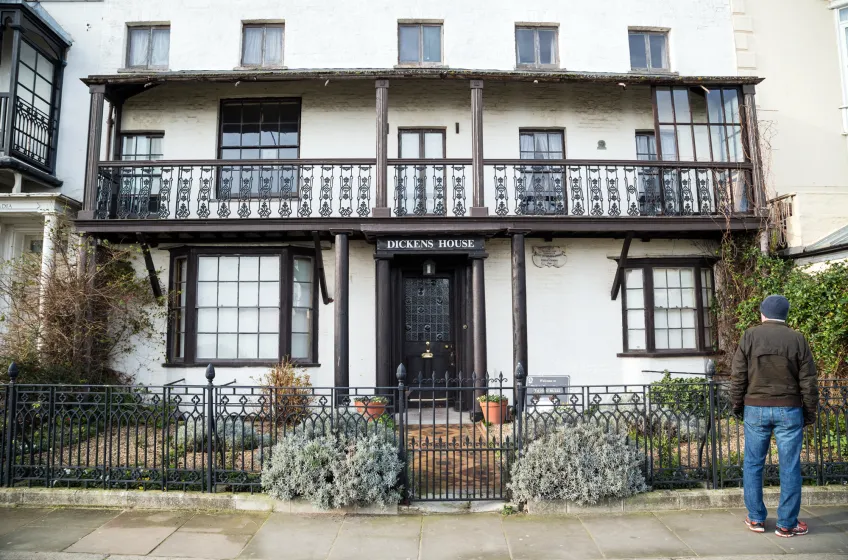
Located in the seaside town of Broadstairs in Kent, the Dickens House Museum is a small but evocative museum dedicated to the life and work of Charles Dickens. Housed in a charming 19th-century cottage on Victoria Parade, the building is best known for being the former home of Miss Mary Pearson Strong, believed to be the inspiration for the character of Betsey Trotwood in Dickens’ semi-autobiographical novel David Copperfield. The museum offers visitors an intimate insight into Dickens’ long-standing connection with Broadstairs and serves as a portal into both his literary imagination and the era in which he lived and wrote. The house overlooks Viking Bay and retains many period features, providing a strong sense of place and authenticity.
Recommended Broadstairs accommodation: Hotels Bed & Breakfasts Pub Accommodation
IWhy Is Dickens House Museum Worth a Visit?
The Dickens House Museum is worth a visit for anyone with an interest in literature, Victorian history, or the works of Charles Dickens. It offers a unique opportunity to explore a location directly associated with one of England’s most celebrated authors. Unlike larger, more general museums, Dickens House is highly focused and personal, providing a concentrated look at the author's ties to Broadstairs and how this coastal town inspired aspects of his writing. The museum's setting inside a period home enhances the visitor experience, allowing one to step into the environment that Dickens himself knew during his many stays in the town between 1837 and 1859. The combination of historical artefacts, literary connections and seafront charm makes it an appealing stop for cultural tourists and casual visitors alike.
Dickens House Museum Highlights
The Setting and Architecture
The house itself is a typical example of early 19th-century domestic architecture, retaining much of its original character. The rooms are modest in scale but thoughtfully curated, giving a feel of how life might have been for middle-class residents during the Victorian period. The parlour, study, and dining room are furnished with period-appropriate pieces, some of which are original to Miss Strong’s household.
Betsey Trotwood’s Drawing Room
One of the most evocative rooms in the museum is the drawing room, believed to be the model for Betsey Trotwood’s parlour in David Copperfield. Furnished in the style of the 1830s and 1840s, the room includes a writing desk, china collection, and period decor, offering a strong visual and atmospheric link to the fictional world Dickens created. Visitors often comment on the sense of stepping into the pages of the novel.
Dickensian Memorabilia
The museum contains a range of personal items, documents, and memorabilia related to Charles Dickens and his time in Broadstairs. Highlights include rare editions of his novels, letters, prints, and illustrations by well-known artists such as Hablot Knight Browne (Phiz), who illustrated many of Dickens’ books. There are also items such as Dickens’ writing box and personal effects that help to humanise the literary figure.
Exhibition Panels and Interpretation
Interpretative displays throughout the house provide background on Dickens’ relationship with Broadstairs and the wider context of his writing career. Panels include excerpts from his letters and insights into his writing process. Information is clearly presented and accessible, making it suitable for a range of audiences from dedicated literary enthusiasts to school-age children.
The Study and Writing Room
Another point of interest is the small room thought to represent the kind of space Dickens may have used for writing while staying in Broadstairs. While not a recreation of his London study, the room contains writing instruments, manuscripts, and portraits that evoke the working life of the author. It provides an intimate setting to consider the discipline and environment that shaped some of his most enduring works.
Garden and Sea Views
Though the museum does not have extensive grounds, the small garden at the rear and the views over Viking Bay from the front of the house are noteworthy. The coastal scenery played a role in Dickens’ inspiration and features in his descriptions of fictional settings. The sea views also contribute to the ambiance, reminding visitors of the connection between the landscape and literature.
Miss Mary Pearson Strong
The life and personality of Mary Pearson Strong are also highlighted in the museum. Known for her strong opinions and distinctive behaviour, she is widely acknowledged as the basis for the character of Betsey Trotwood. Her story offers a lens into the real-life figures who populated Dickens' world and how he transformed everyday personalities into vivid fictional characters.
Changing Exhibitions
Though the museum is small, it occasionally hosts rotating exhibits or special displays, particularly during the annual Broadstairs Dickens Festival. These may focus on a particular novel, theme, or aspect of Dickensian life, adding variety for return visitors and encouraging deeper exploration of his legacy.
Bookshop and Gift Area
A modest shop area near the museum’s entrance offers a curated selection of Dickens' works, literary gifts, postcards, and educational materials. While compact, the shop complements the museum experience and provides an opportunity for visitors to take home a memento or expand their knowledge further.
Facilities
Dickens House Museum is relatively small and does not offer extensive on-site facilities, but it is comfortably appointed for its scale. There are staff and volunteers available to answer questions and provide informal guided insights. Basic facilities include a small visitor reception area and a bookshop. The building’s historic nature means that it may present accessibility challenges for visitors with limited mobility, as the interior contains narrow staircases and uneven flooring. There are public toilets available nearby on Victoria Gardens, just a short walk from the museum. The museum does not have its own café, but numerous cafés, tea rooms and restaurants are located within walking distance along the seafront and in Broadstairs town centre.
Nearby Attractions
Broadstairs offers a number of other attractions that can easily be combined with a visit to Dickens House Museum. Viking Bay, just across the road, is one of the town’s most popular beaches, with its sandy shore, tidal pool and traditional promenade.
Nearby, the Crampton Tower Museum tells the story of Victorian engineer Thomas Crampton and includes a working model railway and exhibits on local history and engineering. The Bleak House, another building with Dickensian connections and where the author is believed to have stayed, sits atop the cliffs overlooking the town and sometimes offers tours or seasonal events.
For nature and walking enthusiasts, the King George VI Memorial Park and the coastal walk to Ramsgate offer scenic options. Margate, with its Turner Contemporary gallery, Dreamland amusement park and Old Town area, is a short drive or train journey away. The historic city of Canterbury, with its cathedral and medieval architecture, is also accessible for a day trip.
Practical Advice
The Dickens House Museum is typically open seasonally, from spring through to autumn, with varying hours depending on the time of year. It is advisable to check the museum’s official website or contact them in advance to confirm opening times, as well as any special exhibitions or events. Admission fees are modest and concessions are available for seniors, students and children.
Broadstairs is well-served by public transport. Regular train services run from London and other towns in Kent, and the museum is about a 10-minute walk from Broadstairs railway station. For those arriving by car, pay-and-display parking is available in several locations around the town, including on-street options and public car parks such as Albion Street and Crofts Place.
While the museum is compact and can be explored in under an hour, visitors often spend additional time enjoying the surrounding area. Sensible footwear is recommended due to uneven paths and steps within the historic house. Photography may be restricted inside the museum, so it’s best to check on arrival.
Finally, combining a visit to the Dickens House Museum with a walk along the clifftop promenade or lunch at one of the town’s independent eateries makes for a well-rounded and enjoyable outing, particularly for those with an interest in English heritage and literature.
Shortlist
- Your Shortlist is empty