
Bormes-les-Mimosas | A Visitor's Introduction to Bormes-les-Mimosas
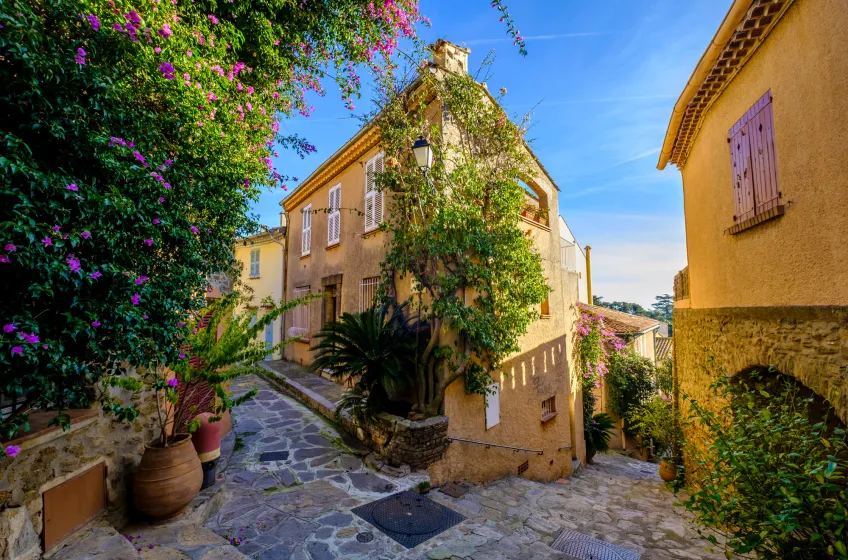
Bormes-les-Mimosas is a picture-perfect medieval village perched on a hillside in the Var department of Provence-Alpes-Côte d’Azur, in the south of France. Overlooking the sparkling Mediterranean coast near Le Lavandou and Hyères, this flowery gem is considered one of the most beautiful villages in the region. Famous for its golden mimosa trees, which bloom in spectacular fashion each winter, Bormes-les-Mimosas charms visitors year-round with its cobbled lanes, pastel-shuttered houses, and lush Mediterranean gardens.
Whether you’re here for a romantic escape, a base for exploring the French Riviera, or to enjoy its floral displays and sea views, Bormes-les-Mimosas offers an unforgettable taste of Provençal beauty with a relaxed and elegant flair.
Recommended Bormes-les-Mimosas Accommodation: Hotels Bed & Breakfasts
Why is Bormes-les-Mimosas Worth a Visit?
Bormes-les-Mimosas is worth visiting for its floral heritage, medieval charm, and proximity to both beaches and nature reserves. Perched 200 metres above the coast, the village offers panoramic views of the Îles d’Hyères (Golden Islands), the Maures mountains, and the azure sea. Its nickname—"the flowered village"—is no exaggeration. With over 700 varieties of plants blooming throughout the year and a village-wide focus on horticulture, it's a sensory delight for garden lovers.
Beyond the flowers, Bormes boasts a perfectly preserved medieval centre with stone alleyways, vaulted passages, and artisan shops tucked into honey-coloured buildings. The village is also a short drive from some of the finest beaches on the Côte d’Azur, making it an ideal place to experience the best of both inland Provence and seaside glamour—without the crowds of nearby Saint-Tropez.
Bormes-les-Mimosas Highlights: Things to See and Do in Bormes-les-Mimosas
The Old Village (Le Vieux Village)
The historic heart of Bormes-les-Mimosas is a labyrinth of steep lanes, stairways, and floral balconies. As you wander, you'll discover fountains, tiny chapels, and stone walls bursting with bougainvillaea, jasmine, and, of course, mimosas. It's a joy to explore on foot—allow time to stroll slowly and take in the views and details.
Don't miss Rue Carnot, the main street lined with artisan boutiques, wine shops, galleries, and terraced cafés. It's the perfect place to shop for Provençal soaps, olive oil, and handcrafted ceramics.
Mimosa Season (January–March)
The village’s namesake tree, the mimosa, blooms from late January to early March, turning the hillsides bright yellow and filling the air with its sweet, powdery scent. This is the most magical time to visit Bormes.
During the Fête du Mimosa (usually in February), the village comes alive with parades, floral displays, music, and traditional Provençal festivities. Flower-covered floats and street performers delight visitors of all ages, making it one of the most enchanting winter events on the Riviera.
Jardin du Cigalou
This beautifully maintained botanical garden in the centre of the old village is a peaceful spot to admire Mediterranean plants and get sweeping views of the sea and islands. Open year-round, it’s an excellent place to sit and relax with a book or picnic while soaking up the Provençal sunshine.
Château des Seigneurs de Fos
At the very top of the village lie the ruins of the 13th-century castle, once home to the Lords of Fos. While only parts of the walls and towers remain, the site provides stunning 360° views over the Iles d’Or, the Maures forest, and the coast all the way to Toulon on a clear day. It’s especially beautiful at sunset.
Notre-Dame de Constance Chapel
A short but steep 3.5km walk from the village centre brings you to this remote stone chapel, perched at 324 metres above sea level. The climb rewards you with unbeatable views over the sea and hinterland, and the chapel itself is a peaceful place of reflection, with a simple interior and historical significance dating back to the 12th century.
Beaches and Seaside
Bormes-les-Mimosas lies just a few kilometres from the coast and has its own share of stunning beaches:
-
Plage de Cabasson: A family-friendly beach with shallow water and a view of Fort de Brégançon, the official summer residence of the French President.
-
Plage de l’Estagnol: Often rated one of the best beaches on the Côte d’Azur, this crescent-shaped cove has soft sand, pine shade, and turquoise water.
-
Plage de Pellegrin: A wilder beach surrounded by pine forest and vineyards—great for those seeking a quieter coastal escape.
Each of these beaches is a 10–15 minute drive from the village and easily accessible with ample parking.
Fort de Brégançon
Though not always open to the public, Fort de Brégançon is one of the region’s most iconic landmarks. Set on a rocky outcrop just off the coast, the fort has served as a presidential retreat since the 1960s. When open (typically summer only), guided tours reveal the interiors, gardens, and military history of the site. Even if closed, it makes for a great photo backdrop from Cabasson Beach.
Domaine Viticole
The area around Bormes is rich in vineyards producing high-quality Côtes de Provence wines. Many estates, such as Domaine Sainte-Marie or Domaine du Fenouillet, welcome visitors for tastings of rosé, red, and white wines. Enjoy a guided visit or a relaxed tasting under the olive trees—and don’t forget to bring a bottle home.
Practical Advice for Visitors
Getting There
Bormes-les-Mimosas is well connected, though best visited by car for maximum flexibility.
-
By Car: The village is about 40 minutes from Toulon, 90 minutes from Marseille, and 2 hours from Nice via the A57 and coastal roads.
-
By Train: The nearest major station is Hyères, around 25 minutes away by taxi or local bus.
-
By Air: Toulon-Hyères Airport (TLN) is the closest, with domestic and seasonal European flights. Nice and Marseille airports offer broader international access.
Parking
Parking in the old village is limited due to narrow streets, but several public car parks are available just outside the centre. The Parking de la Verrerie and Parking du Cigalou are popular and within a short walk of the main sights.
In summer and during festivals, parking fills quickly—arrive early or stay locally if possible.
Dining
Bormes-les-Mimosas offers excellent dining for all tastes:
-
Lou Portaou: A traditional Provençal restaurant in the heart of the old village serving local dishes like daube, ratatouille, and aioli.
-
Le Jardin: A romantic spot with a shaded terrace and creative Mediterranean cuisine.
-
La Tonnelle: Great for light lunches and salads with panoramic views.
-
Chez Sylvia: A charming bistro offering friendly service and fresh, seasonal ingredients.
Nearby beachside restaurants in Cabasson or Le Lavandou also serve fresh seafood and grilled fish with sea views.
Shopping
Bormes is ideal for artisan shopping. Look for:
-
Lavender and olive oil products
-
Local wines and preserves
-
Handmade ceramics and textiles
-
Provençal soaps and cosmetics
Art galleries and boutiques are scattered throughout the old village, particularly along Rue Carnot and Place Gambetta.
When to Visit
-
Spring (March–May): Ideal for flowers, hiking, and pleasant temperatures.
-
Summer (June–August): Hot and lively, with open beaches and bustling markets. Expect crowds in August.
-
Autumn (September–October): Quieter, still warm, and excellent for wine tasting and walking.
-
Winter (January–February): Best for mimosa blossoms, with fewer tourists and a peaceful village vibe.
Local Events
-
Fête du Mimosa (February): Parades, floral floats, and concerts celebrating the mimosa bloom.
-
Marché Provençal: Weekly markets with local produce, crafts, and food.
-
Summer concerts and night markets: Held in the old village and on the coast during July and August.
-
Heritage Days (September): Special access to historical sites, including private chapels and gardens.
Exploring Beyond Bormes
From Bormes-les-Mimosas, you can easily explore more of the Var coast and hinterland:
-
Le Lavandou: A larger seaside resort with 12 beaches and boat connections to the Îles d’Hyères.
-
Porquerolles Island: A paradise of crystal-clear waters, bike paths, and unspoilt beaches—reach it via ferry from Hyères or Le Lavandou.
-
Collobrières: A lovely inland village known for chestnuts and forest walks.
-
Grimaud and Gassin: Hilltop villages near Saint-Tropez offering panoramic views and traditional architecture without the glitz.
Bormes-les-Mimosas is the embodiment of Provençal charm—peaceful, fragrant, and sun-drenched. Whether you're wandering its floral alleys, hiking to coastal viewpoints, sipping wine in the shade, or relaxing by the sea, Bormes welcomes you with open arms and timeless beauty. It's a destination to savour slowly, like a glass of rosé on a summer afternoon.
Shortlist
- Your Shortlist is empty