
Discover Bolton | A Visitor's Introduction to Bolton
Bolton is a large town in Greater Manchester, nestled at the edge of the West Pennine Moors and steeped in a rich industrial heritage. Known for its textile history, Victorian architecture, and friendly atmosphere, Bolton blends a proud past with vibrant present-day culture. It’s a fantastic destination for history enthusiasts, walkers, families, and anyone curious to explore a lesser-known side of North West England. With a host of cultural institutions, green spaces, and a strong community feel, Bolton offers more than meets the eye.
Recommended Bolton Accommodation: Hotels Bed & Breakfasts Pub Accommodation
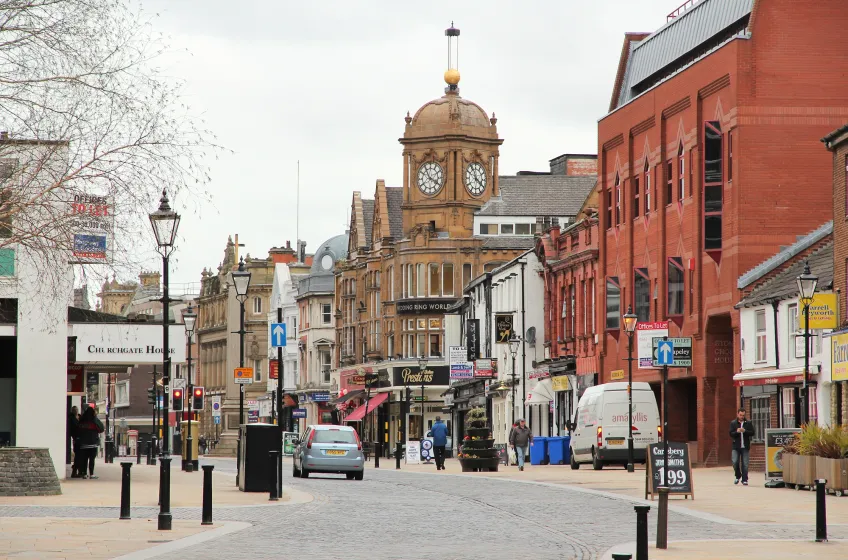
Why is Bolton Worth a Visit?
Bolton is worth visiting for its unique combination of industrial history, cultural depth, and natural beauty. Once a global centre of textile production, it retains echoes of its manufacturing might in grand mill buildings and civic architecture. At the same time, Bolton has embraced the arts, education, and leisure, housing one of the North’s best local museums and a thriving theatre scene.
The town's proximity to the West Pennine Moors adds a layer of outdoor adventure that contrasts nicely with its urban heritage. It also plays host to one of the UK’s largest food and drink festivals, and boasts a warm, down-to-earth welcome that makes every visitor feel at home. Whether you're tracing the steps of its industrial forebears or relaxing in one of its many green spaces, Bolton offers a rewarding and authentic northern experience.
Bolton Highlights: Things to See and Do in Bolton
Bolton Museum, Aquarium and Art Gallery
Housed in the stunning neo-classical Le Mans Crescent, Bolton Museum is one of the town’s cultural gems. It offers an eclectic mix of exhibits ranging from Ancient Egypt to local natural history and art. Its standout attraction is the impressive Egyptology gallery, which includes a replica tomb of Thutmose III. The museum also features a small but charming aquarium and regularly hosts temporary exhibitions and family-friendly events.
Smithills Hall
Smithills Hall is a beautifully preserved medieval manor house set in landscaped gardens at the foot of the West Pennine Moors. Dating back to the 14th century, the hall weaves together centuries of English history, from Tudor parlours to Victorian kitchens. Free to enter and operated by Bolton Council, the house is a delight for history buffs and includes costumed guides and a tearoom in the old stables.
Bolton Steam Museum
This volunteer-run attraction is a hidden treasure for engineering fans. Located in an old cotton mill, the museum houses one of the UK’s largest collections of working mill engines. Open only on select days, including special steam weekends when the engines are brought to life, it’s a fantastic insight into the town’s industrial legacy.
Queen’s Park
Just a short walk from the town centre, Queen’s Park is a classic Victorian green space with wooded paths, floral gardens, a boating lake, and a children’s play area. Ideal for a leisurely stroll or a summer picnic, it offers peace and tranquillity in the heart of the town. The park also offers great views across Bolton and beyond to Winter Hill.
Bolton Market
A lively and diverse market, Bolton Market has been serving locals since the 19th century. It’s particularly noted for its fresh produce, including a fish market that’s one of the largest in the region. There’s also an impressive range of world foods, artisan stalls, and street food traders. A great place to grab a bite, stock up on local goods, or simply enjoy the atmosphere.
Octagon Theatre
The Octagon Theatre is a cornerstone of Bolton’s cultural life. Renowned for its high-quality drama productions, it stages both classic and contemporary plays, often with a Northern twist. The theatre has recently undergone a major refurbishment and now offers a more comfortable and accessible experience. Check the programme in advance, as the theatre regularly features touring shows, local productions, and new writing.
Jumbles Country Park
For those seeking a bit of countryside, Jumbles Country Park lies just north of the town and is part of the beautiful West Pennine Moors. The reservoir and surrounding woodland provide a scenic escape ideal for walking, birdwatching, or a relaxing picnic. A circular walk around the water is relatively easy and takes around an hour.
Hall i’ th’ Wood Museum
Once home to Samuel Crompton, the inventor of the spinning mule, this 16th-century manor house is now a museum dedicated to Bolton’s textile history. The building itself is a lovely example of Tudor architecture, and the museum includes original artefacts, weavers' tools, and period furnishings that bring Bolton’s industrial past vividly to life.
Turton Tower
Located a short drive from Bolton, Turton Tower is a striking Tudor manor house set in picturesque grounds. The interior is filled with antiques, portraits, and period decor spanning several centuries. Open seasonally, the tower is ideal for a historical detour and also features a tea room and small gift shop.
Market Place Shopping Centre
For those in need of some retail therapy, Market Place blends old and new with a striking mix of Victorian architecture and modern design. Situated in a restored 19th-century market hall, it houses high-street favourites, restaurants, and an independent cinema. The vaults underneath have been converted into stylish bars and eateries.
Practical Advice for Visitors
Getting There
Bolton is well-connected by road and rail. Trains from Manchester Victoria or Manchester Piccadilly take about 20–25 minutes, with frequent services. The town lies just off the M61 and M60 motorways, making it easy to access by car from the North West. National Express coaches also stop in Bolton, and local buses connect surrounding towns and villages.
Parking
There are multiple car parks around Bolton town centre, including the NCP at Topp Way and parking at Market Place Shopping Centre. On-street parking is also available but can be limited during busy times. Charges are generally reasonable, and there are some free options at supermarkets if you’re combining a visit with shopping.
Dining
Bolton offers a growing and diverse food scene. For a top-notch Indian meal, try Nam Ploy for Thai cuisine or the popular family-run Ashiana. The town centre features several modern cafés and eateries, particularly around the Market Place Vaults. For a local institution, Ye Olde Pastie Shoppe has been serving traditional Lancashire pasties for generations. Don’t miss out on trying local favourites like black pudding or Bolton sausage if you're after something authentically northern.
Shopping
Beyond Market Place, Bolton is home to Crompton Place Shopping Centre and several high streets with a mix of independent shops, chain stores, and charity shops. Bolton Market is a particular highlight for food shopping and international ingredients. You’ll also find antique shops and vintage boutiques dotted around the town.
When to Visit
Bolton is a year-round destination, but late spring to early autumn is ideal for making the most of its parks, countryside walks, and outdoor attractions. The town centre gets particularly festive during December with Christmas lights and market stalls. September is a standout time thanks to the annual Bolton Food and Drink Festival, one of the best of its kind in the UK.
Local Events
The Bolton Food and Drink Festival is the town’s headline event, attracting celebrity chefs, food stalls, live music, and thousands of visitors each August bank holiday weekend. The Octagon Theatre runs a packed programme year-round, and Bolton Light Festival brings colour and creativity to the town centre each autumn. Regular farmers' markets, vintage fairs, and public lectures also take place across the town.
Exploring Beyond Bolton
Bolton makes an excellent base for exploring the West Pennine Moors, including Rivington Pike, a popular local peak with panoramic views and the nearby Rivington Terraced Gardens. Manchester, with its museums, nightlife, and cultural attractions, is just a short train ride away. Other nearby attractions include Bury’s famous market and East Lancashire Railway, both easily reached within 30 minutes.
Shortlist
- Your Shortlist is empty