
Discover Béthune | A Visitor's Introduction to Béthune
Béthune is a historic and characterful town in the Pas-de-Calais department of northern France, situated around 40 km west of Lille. Known for its striking belfry, Flemish-inspired architecture, and vibrant town square, Béthune offers a charming mix of heritage, culture, and everyday French life. Although less famous than nearby Arras or Lens, Béthune is a rewarding destination in its own right—perfect for travellers looking to explore a quieter corner of Hauts-de-France with a rich past and warm local atmosphere.
The town has experienced its fair share of upheaval, especially during the two World Wars, but has always rebuilt with care and pride. Today, Béthune presents itself as a lively market town with a strong sense of identity, an attractive centre, and easy access to the wider Artois region.
Recommended Béthune Accommodation: Hotels Bed & Breakfasts
Why is Béthune Worth a Visit?
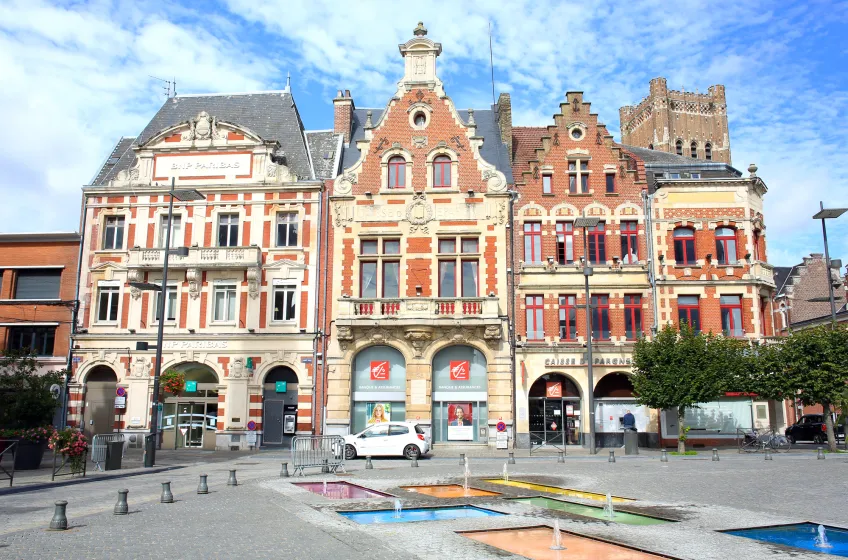
Béthune is worth visiting for its beautiful Grand-Place, cultural festivals, and the genuine charm of a town that blends northern French elegance with Flemish flair. At its heart lies a stunning belfry, recognised as a UNESCO World Heritage Site, surrounded by ornate buildings in Art Deco and neo-Flemish styles—a testament to Béthune's resilience and creativity after wartime destruction.
The town is compact and easily walkable, with plenty of cafés, boutiques, and bakeries adding to its friendly, local vibe. It's also a great base for exploring the region’s history, especially World War I sites, as Béthune was close to the front lines. Whether you're stopping off en route to Lille or Calais or seeking a peaceful getaway steeped in history and local flavour, Béthune is a hidden gem with plenty to offer.
Béthune Highlights: Things to See and Do in Béthune
Grand-Place and the Belfry
The Grand-Place is Béthune’s beating heart—a spacious, open square lined with restaurants, shops, and colourful facades in a mix of Flemish and Art Deco styles. At its centre stands the Belfry of Béthune, a 47-metre-high bell tower dating back to the 14th century. Though partially rebuilt after WWI, the belfry retains its medieval charm and status as one of France’s finest examples.
You can climb the belfry (check for guided visits or open days) for panoramic views over the town and surrounding countryside. At night, the square is beautifully lit, with the belfry providing a majestic centrepiece.
Église Saint-Vaast
Located just behind the Grand-Place, Saint-Vaast Church is Béthune’s main parish church, a neo-Gothic structure built in the 1920s after the original was destroyed in WWI. Inside, you'll find elegant stained-glass windows, soaring arches, and a peaceful atmosphere that contrasts with the town’s bustling centre.
The Art Deco Architecture
Much of Béthune was rebuilt in the 1920s following wartime devastation, and the result is a fascinating blend of styles, particularly Art Deco, which gives the town a unique visual identity. Walking through the town centre, you'll notice detailed façades, geometric designs, mosaics, and sculpted stonework. Buildings like the Maison Goudemand and the former Banque de France are particularly eye-catching.
Musée Régional d’Ethnologie
This small museum, housed in a former school, offers insight into rural life in the Artois region before industrialisation. It’s packed with tools, clothing, and domestic items from the 19th and early 20th centuries. While modest, it’s a charming tribute to local heritage and often hosts temporary exhibitions or themed weekends.
Le Théâtre de Béthune
Béthune's theatre is a striking building and one of the town’s cultural highlights. It hosts an eclectic programme of drama, music, dance, and comedy throughout the year. Even if you don't attend a show, it’s worth admiring the building itself—especially its ornate interior and elegant foyer.
Local Markets
Béthune’s twice-weekly open-air market (Monday and Saturday mornings) is a lively affair, taking over part of the Grand-Place with stalls selling everything from fresh produce and cheese to flowers and textiles. It’s a great way to sample regional products and soak up the local atmosphere. Try a slice of tarte au sucre or a wedge of Maroilles cheese while browsing.
Canal d’Aire and Riverside Walks
The Canal d’Aire, which skirts the town, offers peaceful walking and cycling routes that connect Béthune with nearby villages and the wider Nord-Pas-de-Calais canal network. It’s a lovely area for a stroll or picnic, particularly on a sunny afternoon.
WWI Memorials and Cemeteries
Due to its proximity to the Western Front, Béthune was a key base during WWI and saw heavy fighting in nearby areas. While the town itself has several memorials, the surrounding countryside is home to many poignant sites, including:
-
Béthune Town Cemetery: Contains Commonwealth war graves.
-
Le Touret Memorial and Indian Memorial at Richebourg.
-
Notre-Dame-de-Lorette and Vimy Ridge are about 30–40 minutes away by car and make powerful day trips.
Practical Advice for Visitors
Getting There
Béthune is well connected and easy to reach:
-
By Train: Béthune station is on the main line between Lille, Arras, and Calais. Trains from Lille take just 35–40 minutes.
-
By Car: Easily accessible via the A26 motorway, making it a good stop on the way to or from Calais (1 hour) or Lille (45 minutes).
-
By Air: The nearest major airport is Lille-Lesquin, about 45 minutes by car.
Parking
Parking in Béthune is generally convenient. There are several car parks near the town centre, and street parking is available with metered or time-limited zones. Parking is often free on Sundays and public holidays.
Dining
Béthune’s dining scene leans towards traditional northern French and Flemish cuisine. You’ll find friendly brasseries, modern bistros, and family-run restaurants serving local favourites like:
-
Carbonade flamande (beef stew with beer)
-
Welsh rarebit (cheese, beer, and bread)
-
Maroilles tart (strong local cheese)
Try:
-
Le Vasco: A popular spot for classic regional dishes.
-
L’Atrium: Modern cuisine in a stylish Art Deco setting.
-
Le QG: A relaxed bistro with good-value menus.
For a treat, sample local beer—Béthune has several nearby microbreweries—or enjoy a coffee and pastry at one of the many pâtisseries around the Grand-Place.
Shopping
Béthune is a great place for independent shopping. The town centre is dotted with:
-
Bakeries and chocolatiers (try Maison Tillie for handmade sweets).
-
Clothing boutiques with French and Belgian brands.
-
Gift shops selling local crafts, linen, and gourmet products.
Market days are also ideal for picking up artisan goods and regional specialities like local cheese, beer, pâté, and preserves.
When to Visit
Béthune is a year-round destination, but the best times to visit are:
-
Spring and early summer (April–June): Pleasant weather and floral displays.
-
Autumn (September–October): Colourful foliage and quieter streets.
-
December: The Christmas market transforms the town centre with lights, stalls, mulled wine, and festive cheer.
Summer weekends tend to be lively, with concerts, festivals, and open-air events on the Grand-Place.
Local Events
Béthune has a lively cultural calendar, with highlights including:
-
Fête de la Musique (June): Music fills the streets and squares.
-
Béthune Rétro (August): A retro festival with vintage cars, rock ‘n’ roll bands, and 1950s styling.
-
Christmas Market (December): Festive stalls, skating rink, and light displays.
-
Les Béthunoises: A series of summer concerts and performances in public spaces.
Check with the Béthune Tourist Office or town website for current event listings.
Exploring Beyond Béthune
If you have time to explore the surrounding area, consider:
-
Arras: 30 minutes away, with its two stunning Baroque squares and underground tunnels (Les Boves).
-
Lens: Home to the Louvre-Lens museum, a modern art outpost with rotating exhibits from the Louvre’s collections.
-
Vimy Ridge: A moving WWI memorial and preserved battlefield.
-
Aire-sur-la-Lys: A charming canal town with beautiful buildings and local breweries.
-
The Flanders Hills: Ideal for walking, cycling, and enjoying rural French landscapes.
Béthune is a town full of heart, heritage, and quiet elegance. With its distinctive belfry, vibrant square, and welcoming streets, it offers a more relaxed and authentic experience than more tourist-heavy destinations. Whether you’re soaking in the architecture, enjoying a drink in the sunshine, or using it as a base for regional exploration, Béthune provides a delightful slice of northern French life—easy to enjoy and hard to forget.
Shortlist
- Your Shortlist is empty