
Discover Ardèche | A Visitor's Introduction to Ardèche
The Ardèche is a breathtakingly beautiful and diverse department in the Auvergne-Rhône-Alpes region of southern France. Defined by its dramatic river gorges, wild plateaus, ancient caves and charming hilltop villages, Ardèche is one of France’s best-kept secrets. With a strong identity rooted in nature, history and traditional rural life, the region appeals to outdoor adventurers, lovers of slow travel, and anyone looking to explore France away from the usual tourist trail.
Recommended Ardèche Accommodation: Hotels Bed & Breakfasts
Why is Ardèche Worth a Visit?
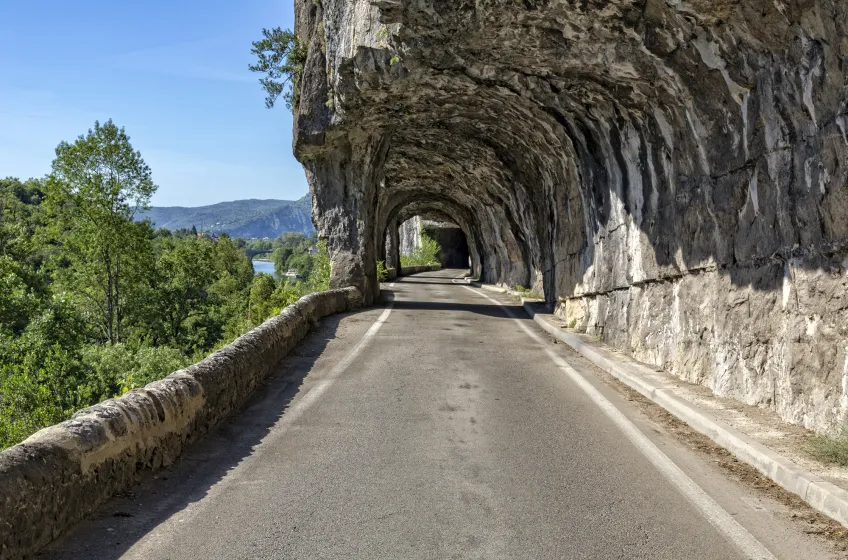
The Ardèche is worth visiting for its raw natural beauty, authentic character and peaceful pace. This region is shaped by the meandering Ardèche River, which has carved deep gorges and spectacular limestone cliffs over millennia. The result is a stunning landscape perfect for canoeing, hiking and scenic drives. It’s also home to some of Europe’s most important prehistoric sites, including the world-renowned Chauvet Cave.
Beyond the natural wonders, Ardèche offers an immersion into rural French life—stone-built villages, bustling weekly markets, vineyards, chestnut groves, and winding roads through wooded hills. Whether you’re swimming in river pools, tasting wine on a terrace, or walking through lavender fields, Ardèche has a sense of timelessness and tranquillity that makes it an unforgettable destination.
Ardèche Highlights: Things to See and Do in Ardèche
Gorges de l’Ardèche and Pont d’Arc
The Gorges de l’Ardèche is the region’s iconic natural feature—a dramatic 30-kilometre canyon carved by the Ardèche River between Vallon-Pont-d’Arc and Saint-Martin-d’Ardèche. The area is a paradise for outdoor enthusiasts, with canoeing and kayaking being the top activities. A paddle through the gorge, passing under the natural rock arch of the Pont d’Arc, is one of France’s great outdoor experiences. The river winds between sheer cliffs and lush forest, with calm stretches and mild rapids to enjoy.
If you prefer dry land, the scenic "Route des Gorges" runs along the top of the gorge, with multiple lookouts offering panoramic views of the valley below. Don’t miss the Belvédère du Serre de Tourre for one of the best vistas.
Grotte Chauvet 2 – Ardèche
Discovered in 1994, the original Chauvet Cave contains some of the world’s oldest and most detailed prehistoric cave art, dating back over 36,000 years. While the original site is closed to preserve it, the Grotte Chauvet 2 is a meticulous replica just outside Vallon-Pont-d’Arc. The experience is immersive, with guided tours leading you past lifelike recreations of ancient animal drawings and human handprints. An adjoining museum explains the cave’s significance and the lives of the people who painted it.
Vallon-Pont-d’Arc
This lively riverside town is the gateway to the Ardèche Gorge and a hub for adventure tourism. It has a relaxed, welcoming vibe with plenty of cafés, outdoor shops, market stalls and local restaurants. During summer, it’s buzzing with life, especially when the canoeing season is in full swing. It’s also a great place to base yourself if you plan to explore the southern Ardèche.
Villages of Character
The Ardèche is dotted with picturesque villages known for their cobbled streets, stone houses, and timeless charm. Among the most beautiful are:
-
Balazuc: Perched on a cliff above the Ardèche River, Balazuc is a maze of winding alleys, artists’ studios and ancient archways.
-
Vogüé: A riverside village crowned by a castle, perfect for a stroll along its terraced gardens and quiet squares.
-
Labeaume: Surrounded by limestone cliffs and olive groves, Labeaume is famed for its dry stone walls and musical festivals held in natural amphitheatres.
-
Antraigues-sur-Volane: A former home of French singer Jean Ferrat, it’s a hilltop village with bohemian spirit, galleries and mountain views.
Mont Gerbier de Jonc and the Source of the Loire
In the north of the department, Mont Gerbier de Jonc is a distinctive volcanic cone and the official source of the Loire River, France’s longest. It’s a short but steep hike to the summit, offering panoramic views across the Ardèche mountains. The surrounding highlands are criss-crossed with trails and scattered with ancient farmhouses and cheese producers.
Ardèche Train de l’Ardèche
Take a nostalgic journey on this heritage steam train that winds its way through the Doux Valley, a picturesque landscape of forested hills, tunnels and viaducts. The train departs from Tournon-sur-Rhône and is a great activity for families or railway enthusiasts.
Peaugres Safari Park
Near Annonay in northern Ardèche, the Peaugres Safari Park is one of the largest wildlife parks in France. It combines a drive-through safari section with pedestrian paths and themed animal enclosures. You’ll find everything from lions and giraffes to Arctic wolves and red pandas, all in a setting designed to mimic natural habitats.
Castanea – Maison du Châtaignier
Chestnuts have long been a staple food in the Ardèche, and this museum in Joyeuse celebrates the “bread tree” and its role in local life. Learn how chestnuts were harvested, dried and ground into flour, and try some local chestnut-based treats in the adjoining shop.
Cave Visits and Wine Tasting
The Ardèche is part of the Côtes du Vivarais wine region, and many vineyards offer tours and tastings. Local wines are often fresh, fruity, and produced using sustainable methods. Red blends dominate, but there are some excellent whites and rosés too. Domaine de la Croix Blanche and Clos de l’Abbé Dubois are popular options for tastings near the gorges.
Practical Advice for Visitors
Getting There
Ardèche doesn’t have a major city or airport of its own, but it’s easy to reach from several directions. The nearest airports are in Lyon, Nîmes, and Avignon. From there, it’s best to rent a car, as public transport within Ardèche is limited and many of the most beautiful sites are only accessible by road.
Trains run to nearby towns such as Montélimar and Valence, from which you can hire a car to explore the region. Driving is the most convenient way to experience the area, as many attractions and villages are remote.
Parking
Parking is generally easy and free or low-cost throughout the region. Popular towns and tourist spots like Vallon-Pont-d’Arc have designated car parks, especially in summer when roadside parking may be restricted. Villages often have signed parking areas at the edge of the old town centres to preserve their pedestrian-friendly charm.
Dining
Food in Ardèche is hearty, seasonal, and deeply tied to the land. Expect to find dishes made with chestnut flour, wild mushrooms, goat’s cheese, and river fish. Charcuterie, especially cured ham and sausages, is a local highlight. Many restaurants focus on traditional cuisine with a rustic flair—perfect for enjoying in a sunny courtyard or shaded terrace.
Specialities to try include maôche (stuffed pork stomach), caillette (herb and meat pâté), and of course, anything involving local chestnuts. Don’t miss the chance to try glace à la châtaigne (chestnut ice cream).
Shopping
Markets are a way of life in Ardèche, with weekly stalls in nearly every town and village selling local produce, crafts and textiles. Vallon-Pont-d’Arc, Les Vans, and Aubenas all have excellent markets. Popular souvenirs include lavender products, chestnut jam, olive oil, pottery and artisan soaps. Wineries and distilleries often sell their products directly, offering tastings along the way.
When to Visit
The best time to visit Ardèche is from late spring to early autumn (May to September). May and June offer warm weather without the crowds, and September brings harvest festivals and changing colours. July and August are the busiest, with lively villages, night markets and river activities in full swing.
Autumn is quieter and great for hiking and food lovers, especially during chestnut and mushroom season. Winter is peaceful but cold, with some attractions closing, though the highlands may offer snowshoeing and cross-country skiing.
Local Events
The Ardèche calendar is dotted with traditional festivals and outdoor events. Highlights include:
-
Festival Aluna (June) – A major music festival near Ruoms attracting top French and international acts.
-
Castagnades (October) – Chestnut festivals held in multiple villages, celebrating the harvest with food, music and crafts.
-
Trail de l’Ardéchois (April) – A popular trail running event through the scenic northern landscapes.
-
Lavender festivals – Held in summer in southern Ardèche, celebrating the local bloom with markets and demonstrations.
Exploring Beyond Ardèche
Ardèche borders several equally beautiful departments. To the south, you’ll find the Gard with its Roman history and Pont du Gard aqueduct. To the west lies Lozère and the wild Cévennes mountains. The Drôme, to the east, offers lavender fields, perched villages and vineyards. Each is within a couple of hours’ drive, making Ardèche a perfect starting point for a wider tour of rural southern France.
Final Thoughts
The Ardèche offers a unique blend of nature, heritage and authentic French life. Whether you’re drifting through gorges in a canoe, discovering prehistoric art, or wandering a quiet village at sunset, the region captures the heart with its earthy beauty and soulful atmosphere. It’s a destination for slow travel, for outdoor discovery, and for connecting with the landscapes and traditions of rural France. If you’re looking for somewhere wild yet welcoming, dramatic yet down-to-earth, Ardèche is a truly special place to explore.
Shortlist
- Your Shortlist is empty