
Discover Hawkshead | A Visitor's Introduction to Hawkshead
Recommended places to visit, places to stay and things to do in and around Hawkshead
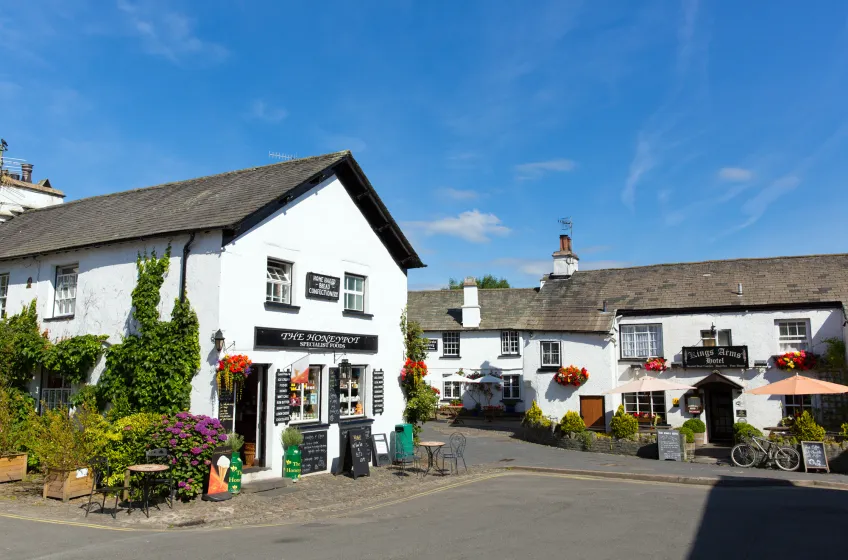
Hawkshead is a charming historic village tucked away in the heart of the Lake District, between Coniston Water and Lake Windermere in Cumbria. With its cobbled streets, whitewashed cottages, and timeless atmosphere, Hawkshead feels like a step back into a quieter, more romantic version of England. Famous for its literary connections, particularly to Beatrix Potter and William Wordsworth, the village is a magnet for history lovers, walkers, and those who enjoy a relaxed pace surrounded by picture-perfect scenery.
Hawkshead Accommodation: Hotels Bed & Breakfasts Pub Accommodation
Why is Hawkshead Worth a Visit?
Hawkshead is worth visiting for its unspoilt character, literary heritage, and position as a gateway to some of the Lake District’s loveliest countryside. Unlike some Lake District towns that have been heavily modernised, Hawkshead retains its medieval street plan and historic charm, with car-free lanes winding past ancient buildings and cosy tea rooms.
It’s a great base for exploring the nearby fells and lakes, with easy access to walking trails, quiet wooded areas, and scenic drives. The village itself is steeped in history, with buildings dating back centuries, and it has long been a hub for artists and writers inspired by the landscape. Whether you’re coming to explore the life of Beatrix Potter, hike through nearby forests, or just enjoy a cream tea in a tranquil setting, Hawkshead offers a truly memorable Lake District experience.
Hawkshead Highlights: Things to See and Do in Hawkshead
Hawkshead Grammar School Museum
This fascinating museum is set in the former grammar school attended by William Wordsworth. You can explore the 17th-century classroom and learn about education in Georgian England. Exhibits include old desks, textbooks, and displays on Wordsworth’s time as a pupil.
St Michael and All Angels Church
Perched on a small hill overlooking the village, this beautiful church dates back to the 12th century. It’s worth a visit for its peaceful churchyard, stunning views over Hawkshead, and interior features such as medieval frescoes and wooden galleries added in later centuries.
Car-Free Village Centre
One of Hawkshead’s unique features is its pedestrianised village centre. With no cars allowed, the narrow lanes and alleys are perfect for a leisurely stroll. Independent shops, cafés, and galleries line the streets, making it a delightful place to browse and unwind.
Esthwaite Water
A short walk from the village, Esthwaite Water is one of the Lake District’s lesser-known lakes. It's ideal for peaceful walks, picnics, birdwatching, and fishing. Beatrix Potter found inspiration here, and you can see why—its calm waters and quiet surroundings are utterly charming.
Grizedale Forest
Just a few miles from Hawkshead lies Grizedale Forest, a vast woodland playground filled with walking and biking trails, forest sculptures, and high-wire adventure courses. It’s perfect for families or anyone looking to add a bit of activity to their visit.
Tarn Hows
A short drive or slightly longer walk from Hawkshead brings you to Tarn Hows, one of the Lake District’s most scenic and accessible beauty spots. This man-made tarn is surrounded by wooded hills and offers an easy circular walk suitable for all ages and abilities.
Claife Heights and Moss Eccles Tarn
For walkers seeking quieter trails, the paths leading from Hawkshead toward Claife Heights and Moss Eccles Tarn offer solitude and stunning views. These lesser-trodden routes give a real sense of the Lake District’s peaceful beauty and were favourites of Beatrix Potter herself.
Local Pubs and Cafés
Hawkshead is home to some excellent places to eat and drink. Traditional pubs like The Red Lion, The Kings Arms, and The Sun Inn serve local ales and hearty Cumbrian fare in a friendly atmosphere. There are also several tearooms offering homemade cakes, scones, and light lunches.
Practical Advice for Visitors
Getting There
Hawkshead is best reached by car and is located off the B5285 between Coniston and Windermere. The road from Ambleside involves a short but scenic ferry crossing at Bowness (via the Windermere Ferry), or a winding drive over the hills from Coniston. There’s no train station in Hawkshead, but buses run from Ambleside and Windermere in the tourist season.
Parking
As the village centre is pedestrianised, visitors must park in the large pay-and-display car park at the entrance to Hawkshead. It’s well signposted and just a few minutes’ walk to the heart of the village. Parking can be busy in peak season, so arriving early is advisable.
Dining
There’s a good mix of food options in Hawkshead. Traditional pubs offer comforting British classics like fish and chips, pies, and roast dinners. For lighter bites and local specialities, cafés such as Sun Cottage Café and Ginny’s Teapot are popular. Don’t miss trying locally produced ice cream or fudge from one of the village shops.
Shopping
Hawkshead boasts a fine selection of independent shops selling everything from outdoor gear to handmade gifts. Highlights include Hawkshead Relish Company, known for its award-winning chutneys and preserves, and several art and craft galleries. You’ll also find bookstores, knitwear shops, and places selling local food and drink to take home.
When to Visit
Hawkshead is a year-round destination, though spring through autumn is ideal for walking and enjoying the outdoor scenery. Summer is the most popular season, with festivals and longer days, while autumn brings rich colours to the surrounding woods. Winter is quieter and atmospheric, with cosy pubs and festive markets.
Local Events
Hawkshead hosts a number of events throughout the year. The Hawkshead Christmas Fair is a particular highlight, with market stalls, live music, and seasonal food. Summer brings smaller village events, including craft fairs and fell races. Keep an eye on local listings or the village noticeboards for up-to-date information.
Exploring Beyond Hawkshead
From Hawkshead, it’s easy to explore other parts of the Lake District. Coniston Water is just 15 minutes away and offers boat hire, lake cruises, and the historic Brantwood House. Windermere, accessible via the ferry, offers more shopping and family attractions. For walkers, routes up Latterbarrow, Black Fell, or Wray Castle make excellent half-day adventures.
Shortlist
- Your Shortlist is empty